
How Can You Make Sure Your Dog’s Food Is Healthy?
Choosing the Right Dog Food: A Guide to Ensuring Your Dog's Health and Well-Being
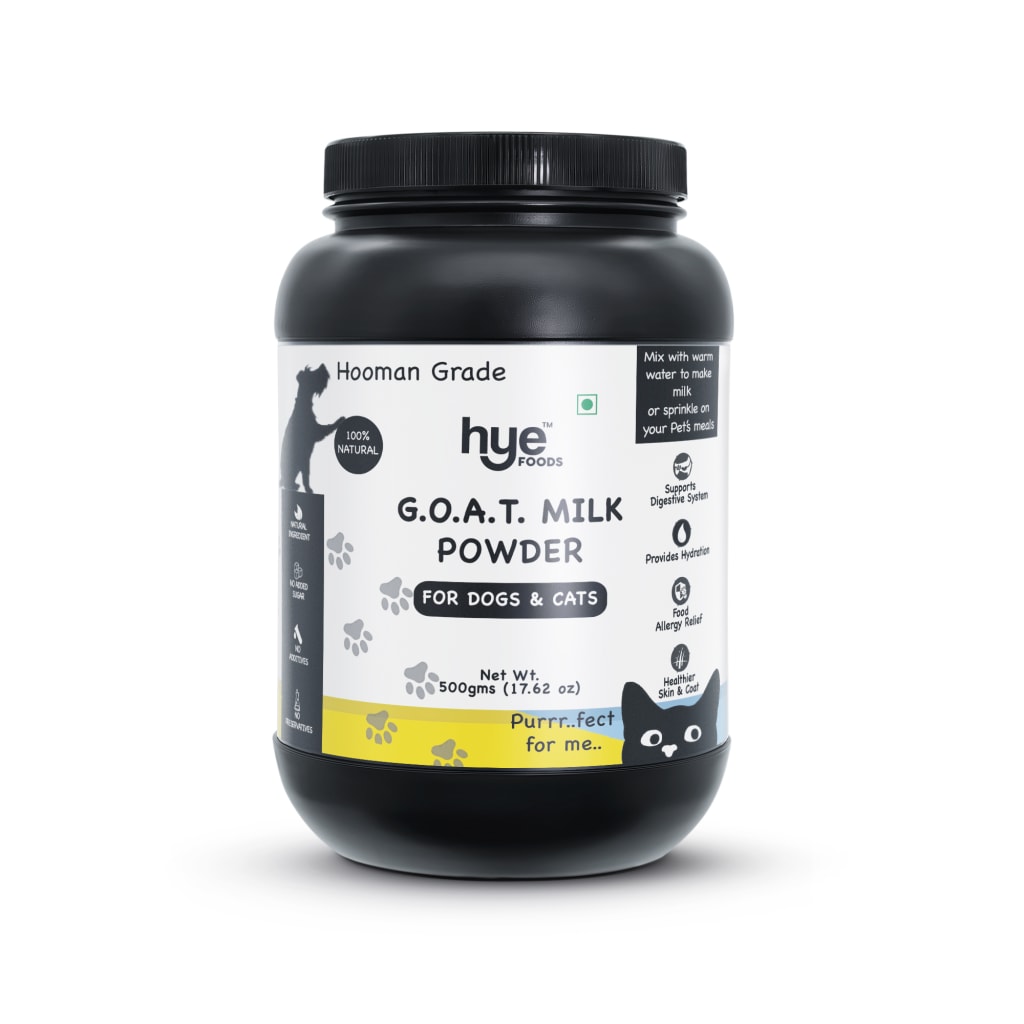
As pet owners, we all want to provide our dogs with the best possible nutrition to keep them happy, healthy, and full of energy. But with so many options on the market, how do you choose the best dog food for your furry friend? The right healthy dog food is essential for your dog’s overall health, whether they are a playful puppy, an active adult, or a senior dog.
In this article, we’ll guide you through the key factors to consider when ensuring your dog’s food is healthy and meets their unique needs.
1. Check the Ingredients List
When selecting dog food, the first thing to look at is the ingredients list. Healthy dog food should have high-quality, real ingredients, such as whole meats, vegetables, and fruits. Avoid foods with too many fillers or by-products, as these don’t provide the necessary nutrients your dog needs.
Here’s what to look for:
Protein as the first ingredient: Protein is essential for your dog’s muscles, skin, and overall health. Meat like chicken, beef, or turkey should be listed as the first ingredient. Plant-based proteins like soy or corn should be avoided as they are not as easily digestible for dogs.
Whole grains or vegetables: Dogs can benefit from complex carbohydrates like brown rice, sweet potatoes, or quinoa, which provide fiber for healthy digestion.
Healthy fats: Ingredients like fish oil or chicken fat provide essential omega fatty acids, which support your dog’s coat, skin, and joints.
2. Look for Nutritional Balance
The best dog food should provide a balanced diet that includes proteins, fats, carbohydrates, vitamins, and minerals. All these nutrients are crucial for supporting your dog’s immune system, energy levels, and overall well-being.
Key nutrients to look for:
Vitamins and minerals: Essential for a strong immune system, bone health, and proper organ function.
Omega fatty acids: These provide anti-inflammatory benefits, promote healthy skin and coat, and support brain health.
Fiber: Important for digestive health and regular bowel movements. Ingredients like pumpkin or beet pulp are excellent sources of fiber.
3. Consider Life Stage and Size
Every dog is unique, and their nutritional needs can vary depending on their age, size, and activity level. It’s important to choose the right food based on your dog’s specific stage of life.
Puppy food: Puppies need more protein, fats, and calories to support their growth and development. Look for formulas labeled for puppies or the best dog food for growing dogs.
Adult dog food: For adult dogs, the focus should be on maintaining lean muscle mass, supporting energy levels, and keeping them at a healthy weight. Choose healthy dog food formulated for adults.
Senior dog food: Older dogs often have different nutritional needs. They may need lower-calorie food to prevent weight gain and support joint health. Look for senior dog food with added glucosamine and chondroitin.
4. Wet Food vs. Dry Food: Which Is Best?
One of the ongoing debates in the dog food world is whether wet food or dry food is better for your dog. Both have their advantages and can be healthy choices, depending on your dog’s needs.
Wet food: Wet food is often more palatable and easier to digest, which can be helpful for dogs with dental issues or picky eaters. It also provides additional moisture, which is great for hydration.
Dry food: Dry food is convenient, helps with dental health by reducing tartar buildup, and is typically more affordable than wet food. It also has a longer shelf life.
If you have a senior dog or one with specific health concerns, wet food might be a better choice. However, if you have an active dog or one with healthy teeth, dry food might be more appropriate.
5. Avoid Harmful Additives
While choosing dog food, you should also avoid brands that contain harmful additives or artificial ingredients. Some things to watch out for include:
Artificial colors and flavors: These additives don’t contribute to your dog’s nutrition and can sometimes cause allergic reactions.
Preservatives: Look for natural preservatives like vitamin E (mixed tocopherols) instead of artificial preservatives like BHA or BHT.
Fillers: Ingredients like corn, wheat, and soy may be used as fillers, but they don’t offer much in terms of nutrition for your dog.
6. Tailored Nutrition for Specific Health Issues
If your dog has specific health concerns like joint pain, allergies, or digestive issues, you may want to look for dog food designed to address those issues. There are many formulas that cater to specific needs, such as:
Joint health: If your dog suffers from arthritis or joint pain, look for healthy dog food with added glucosamine, chondroitin, and omega-3 fatty acids.
Skin and coat: Dogs with dry skin or coat issues may benefit from food with higher amounts of omega fatty acids, like fish oil or flaxseed.
Sensitive stomach: If your dog has a sensitive stomach or is prone to digestive issues, consider wet food options with easily digestible ingredients like chicken, turkey, or rice.
7. Consult Your Vet
Ultimately, the best way to ensure your dog is eating healthy food is to consult with your veterinarian. They can recommend the best dog food based on your dog’s age, breed, activity level, and health condition. If you notice your dog is showing signs of food allergies, gastrointestinal issues, or weight problems, a vet can guide you in adjusting their diet accordingly.
Conclusion
When it comes to your dog’s health, what they eat plays a crucial role in their overall well-being. By focusing on best dog food options that are rich in high-quality protein, healthy fats, and essential nutrients, you can help ensure that your dog stays happy and healthy for years to come.
Remember to choose the right food based on your dog’s life stage, size, and specific health needs. Whether you opt for wet food, adult dog food, or senior dog food, always look for ingredients that promote joint health, digestion, and a shiny coat. Avoid harmful additives and make sure your dog’s food is nutritionally balanced to support their long-term health.
With the right food, you can give your dog the best chance to live a long, happy, and healthy life!
About the Creator
A Dart at Dusk
Seconds ago, the sullen sun set on the two of us… my exuberant furry companion and me. A fresh breeze embraces us, delivering welcome relief from the day’s oppressive heat. His typical stumbling and staggering along — apace with a sloth — has turned into trip-trapping, high-stepping, almost skipping along.
By Angie the Archivist 📚🪶5 days ago in Petlife
Japan Pet Food Market Size and Forecast, 2026–2034
Market Snapshot The Japan Pet Food Market is projected to expand significantly, growing from US$ 6.72 billion in 2025 to US$ 14.68 billion by 2034, registering a robust CAGR of 9.07% during the period 2026–2034. This growth is being driven by rising pet ownership, increasing pet humanization, strong demand for premium and functional nutrition, and growing awareness around pet health, aging, and preventive care.
By Aaina Oberoi4 days ago in Petlife
Wild Card Weekend Recap: What Happens Now?
I think I figured out why I love Wild Card Weekend so much. It's because it's the first playoff anything of the calendar year. The NFL season starts in the fall, and once upon a time, the champion was crowned either on or slightly before New Year's. The evolution of the NFL schedule has resulted in the playoffs starting just into the New Year, and currently, the final week of the season falls on the first weekend of the New Year, with Wild Card Weekend coming a week after that. So yes, chronologically, the NFL's Wild Card Weekend serves as the first playoff anything of the calendar year.
By Clyde E. Dawkins6 days ago in Unbalanced



Comments
There are no comments for this story
Be the first to respond and start the conversation.