
Homemade vs. Store-Bought
A Comparison of Special Diets for Dogs


Understanding Special Diets for Dogs
What Are Special Diets for Dogs?
Special diets for dogs are carefully crafted meal plans that are designed to meet the unique nutritional requirements of dogs with specific health concerns or dietary needs.
These diets are often formulated to address issues such as food allergies, digestive sensitivities, weight management, and overall wellness.
They are tailored to provide the necessary nutrients while avoiding ingredients that may trigger adverse reactions.
Reasons for Implementing Special Diets
There are several reasons why pet owners choose to implement special diets for their dogs. Some common reasons include:
Food Allergies: Dogs, like humans, can develop allergies to certain ingredients in their food. Special diets help eliminate allergens and provide alternative protein and carbohydrate sources that are less likely to cause adverse reactions.
Digestive Sensitivities: Some dogs have sensitive stomachs or gastrointestinal disorders that require dietary modifications. Special diets can include easily digestible ingredients and may be formulated to support gut health.
Weight Management: Just like humans, dogs can struggle with weight issues. Special diets designed for weight management aim to control calorie intake and provide balanced nutrition to help dogs achieve and maintain a healthy weight.
Medical Conditions: Certain health conditions, such as kidney disease, diabetes, or heart problems, may require dietary adjustments. Special diets formulated for these conditions can help manage symptoms, support organ function, and improve overall well-being.
Individual Preferences: Some pet owners simply prefer to provide their dogs with a customized diet, ensuring they have control over the ingredients and quality of the food.
By understanding the specific needs of your dog and consulting with a veterinarian or nutritionist, you can determine whether a special diet would be beneficial and which type would be most suitable.
Homemade Diets for Dogs
When considering special diets for dogs, one option is to prepare homemade meals tailored to your furry companion's specific needs. Homemade diets offer certain benefits, but it's essential to understand the considerations involved.
Benefits of Homemade Diets
Customization and Control
One of the primary advantages of homemade diets is the ability to customize the meals according to your dog's individual requirements. You have complete control over the ingredients, allowing you to avoid allergens or incorporate specific nutrients.
This level of customization can be especially beneficial for dogs with food allergies or sensitivities.
Fresh and Natural Ingredients
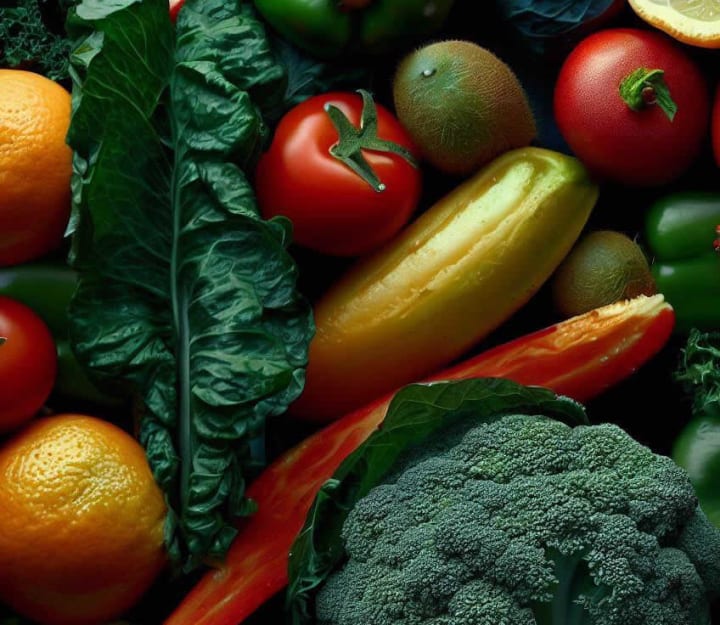
Preparing homemade meals for your dog gives you the opportunity to use fresh and natural ingredients. You can select high-quality proteins, grains, vegetables, and fruits, ensuring your dog receives wholesome nutrition.
By avoiding artificial additives, preservatives, and fillers commonly found in commercial dog food, you can provide a healthier and more natural diet.
To maintain a balanced and nutritious homemade diet, it's crucial to consider the following factors.
Considerations for Homemade Diets
Nutritional Balance
Creating a nutritionally balanced homemade diet for your dog can be challenging. Dogs require a specific balance of proteins, carbohydrates, fats, vitamins, and minerals. It's essential to consult with a veterinarian or canine nutritionist to ensure your homemade meals meet your dog's nutritional needs.
They can provide guidance on portion sizes, recommended ingredients, and any necessary supplements to maintain a balanced diet.
Preparation and Safety
Preparing homemade meals for your dog requires time, effort, and attention to food safety. It's crucial to handle ingredients properly, follow safe cooking practices, and store the food correctly to avoid contamination or bacterial growth.
Additionally, certain foods that are safe for humans can be toxic to dogs, so thorough research and understanding of canine nutrition are vital.
By carefully considering the nutritional balance and ensuring the safety of the homemade meals, you can provide your dog with a personalized diet that suits their unique needs and preferences.
Store-Bought Diets for Dogs
Another option for providing special diets for dogs is to opt for store-bought dog food specifically formulated to meet their unique nutritional needs.
Let's explore the advantages of choosing store-bought diets and important factors to consider.
Advantages of Store-Bought Diets
Convenience and Ease of Use
Store-bought special diets offer convenience and ease of use. These commercially prepared dog foods are readily available in pet supply stores and online.
They come in various forms, including dry kibble, wet food, and freeze-dried options, making it convenient for pet owners to select the type that suits their dog's preferences.
The pre-packaged nature of these diets eliminates the need for extensive meal preparation and simplifies feeding routines.
Guaranteed Nutritional Balance
Reputable dog food brands invest significant resources in research and development to ensure their products meet the highest nutritional standards.
Store-bought diets for special needs often undergo rigorous testing and adhere to industry guidelines. They are formulated to provide balanced nutrition, considering the specific dietary requirements of dogs with various health conditions.
These diets are designed to meet essential nutrient profiles, offering reassurance that your dog is receiving the necessary nutrients in the right proportions.
Factors to Consider when Choosing Store-Bought Diets
Quality and Ingredient Sourcing
When selecting store-bought diets, it's important to consider the quality of ingredients and the sourcing practices of the brand. Look for dog food brands that prioritize high-quality proteins, whole grains, and natural ingredients.
Avoid products that contain artificial additives, fillers, or excessive amounts of preservatives. Reading labels and understanding the ingredient list can help you make informed choices about the nutritional value and suitability of the diet for your dog.
Understanding Labels and Certifications
Pet food labels can provide valuable information about the nutritional content and suitability of a product. Familiarize yourself with common terms like "complete and balanced" and "natural."
Additionally, look for certifications such as AAFCO (Association of American Feed Control Officials) statements on the label, indicating that the food meets the minimum nutrient requirements.
These labels and certifications can guide you in selecting a store-bought diet that aligns with your dog's specific dietary needs.
Considering the quality of ingredients, understanding labels, and choosing reputable brands, store-bought diets can provide a convenient and reliable option for meeting your dog's special dietary requirements.
Making the Decision: Homemade or Store-Bought?
Deciding between homemade and store-bought special diets for your dog requires careful consideration of various factors. Let's explore some key points to help you make an informed decision.
Assessing Your Dog's Needs
The first step in determining the best diet for your dog is to assess their specific needs. Consider any health conditions, allergies, or sensitivities your dog may have.
Evaluate their activity level, age, and overall well-being. By understanding your dog's individual requirements, you can identify which type of diet would be most beneficial.
Consulting with a Veterinarian or Nutritionist
Seeking guidance from a veterinarian or canine nutritionist is crucial when making dietary decisions for your dog. These professionals can assess your dog's health status, analyze their nutritional needs, and provide tailored recommendations.
They can help you determine whether a homemade or store-bought diet is the right choice based on your dog's specific circumstances.
Considering Lifestyle and Time Constraints
Your lifestyle and daily routine should also be considered when choosing a special diet for your dog. Homemade diets require time and effort for meal preparation, ingredient sourcing, and ensuring nutritional balance.
On the other hand, store-bought diets offer convenience and save time in meal planning and preparation. Consider your schedule and how much time you can realistically dedicate to providing a special diet for your dog.
By evaluating your dog's needs, consulting with professionals, and considering your lifestyle, you can make an informed decision that aligns with your dog's well-being and your own capabilities.
Transitioning to a Special Diet
Transitioning your dog to a special diet requires a gradual process to ensure a smooth adjustment. Here are some important steps to follow during the transition period.
Gradual Transitioning Process
When introducing a new diet to your dog, it's essential to do so gradually. Abrupt changes in diet can lead to digestive upset. Follow these steps for a gradual transition.
Mixing: Start by mixing a small portion of the new diet with your dog's current food. Begin with a ratio of 25% new diet and 75% old diet.
Increasing Proportions: Gradually increase the proportion of the new diet over a period of 7 to 10 days. For example, move to a 50-50 ratio after a few days, then 75% new diet and 25% old diet, before eventually transitioning to 100% new diet.
Monitoring: Keep a close eye on your dog during the transition period. Monitor their appetite, stool consistency, and overall well-being. Any signs of digestive upset should be reported to your veterinarian for guidance.
Monitoring and Adjusting the Diet
Once your dog has fully transitioned to the special diet, it's important to continue monitoring their response to the new diet. Here are a few guidelines to follow.
Observation: Observe your dog's energy levels, coat condition, digestion, and overall health. Any positive changes or concerns should be noted.
Weight Management: If weight management is a goal, monitor your dog's weight regularly. Adjust the portion sizes as needed to maintain a healthy weight.
Consultation: Stay in touch with your veterinarian or nutritionist. Regular check-ups will help ensure that the special diet continues to meet your dog's needs. They may recommend adjustments based on your dog's evolving health or dietary requirements.
Following a gradual transitioning process and closely monitoring your dog's response, you can help them adjust to the new special diet and make any necessary adjustments along the way.
FAQs (Frequently Asked Questions)
Here are some frequently asked questions about special diets for dogs:
Can I switch between homemade and store-bought diets?
Yes, you can switch between homemade and store-bought diets for your dog. However, it's important to make the transition gradually to allow your dog's digestive system to adjust. Follow the same transitioning process mentioned earlier when switching between different types of diets.
Are homemade diets more expensive than store-bought diets?
Homemade diets can vary in cost depending on the ingredients used and the portion sizes required for your dog. In some cases, homemade diets may be more expensive due to the cost of high-quality ingredients.
However, it is possible to prepare homemade meals within a reasonable budget by carefully selecting affordable yet nutritious ingredients.
How can I ensure my dog's special diet is nutritionally balanced?
To ensure your dog's special diet is nutritionally balanced, consult with a veterinarian or a canine nutritionist. They can provide guidance on the appropriate proportions of proteins, carbohydrates, fats, vitamins, and minerals your dog needs.
They may also recommend specific supplements to ensure your dog receives all the necessary nutrients.
Are there specific special diets for dogs with allergies?
Yes, there are special diets specifically formulated for dogs with food allergies. These diets typically use alternative protein and carbohydrate sources that are less likely to trigger allergic reactions.
Consult with your veterinarian or a veterinary dermatologist to determine the best diet for your dog's specific allergies.
Can I combine homemade and store-bought diets for my dog?
Yes, you can combine homemade and store-bought diets if it aligns with your dog's needs and preferences. This approach can provide variety and flexibility.
However, ensure that the combination is nutritionally balanced and consult with a veterinarian or nutritionist to determine appropriate proportions.
What are some common signs that my dog's special diet is not working?
Common signs that your dog's special diet may not be working include gastrointestinal upset (such as vomiting or diarrhea), lack of appetite, weight loss or gain, dull coat, excessive shedding, and changes in energy levels or behavior.
If you notice any concerning signs, consult with your veterinarian to evaluate and adjust the diet as needed.
How often should I consult with a veterinarian regarding my dog's special diet?
Consulting with a veterinarian regarding your dog's special diet depends on various factors, including your dog's health condition and their response to the diet.
In general, it's recommended to have regular check-ups with your veterinarian to assess your dog's overall health, monitor their dietary progress, and make any necessary adjustments.
Are there any risks associated with homemade diets for dogs?
There can be risks associated with homemade diets if they are not properly balanced and nutritionally complete. Homemade diets may lack certain essential nutrients, leading to deficiencies if not formulated correctly.
It's crucial to consult with a veterinarian or a canine nutritionist to ensure your homemade diet meets your dog's nutritional needs.
What should I do if my dog refuses to eat a special diet?
If your dog refuses to eat a special diet, there could be various reasons, including taste preferences, texture, or underlying health issues. Start by ensuring that the diet is appropriately transitioned, and there are no underlying medical conditions causing the refusal.
You can try offering the food in different ways, such as warming it slightly or mixing it with a small amount of a tasty topper recommended by your veterinarian. If the refusal persists, consult with your veterinarian for further guidance.
Can I prepare homemade dog food in bulk and freeze it?
Yes, preparing homemade dog food in bulk and freezing it can be a convenient approach. Freezing portions of homemade dog food allows you to have ready-to-serve meals while ensuring freshness.
Use appropriate storage containers or freezer-safe bags, and label them with the date to keep track of freshness. Thaw frozen meals in the refrigerator before serving.
About the Creator
Barky Dog Toys
With over 30 years of experience in the dog toy industry, we provide the best information, tips, and recommendations to help find the perfect toys for your dog. We also cover health, training, and more.
Keep reading
More stories from Barky Dog Toys and writers in Petlife and other communities.
How to Find Safe Dog Toys: Your Essential Guide
As a responsible pet owner, it's crucial to prioritize your furry friend's safety and well-being during playtime. In this guide, we will explore the importance of safe dog toys, common hazards to avoid, factors to consider when choosing toys, and various types of safe dog toys suitable for different play styles.
By Barky Dog Toys3 years ago in Petlife
Authenticity and Presence: What Animals Can Teach Actors About Emotional Truth
Actors spend years searching for authenticity. Acting schools teach technique, rehearsal methods focus on emotional preparation, and directors guide performers toward believable moments on screen. Yet sometimes the most meaningful lessons about authenticity come from unexpected places.
By Andreas Szakacsa day ago in Petlife



Comments
There are no comments for this story
Be the first to respond and start the conversation.