
Hidden Signs in Dog Body Language
What Your Pet Can’t Tell You

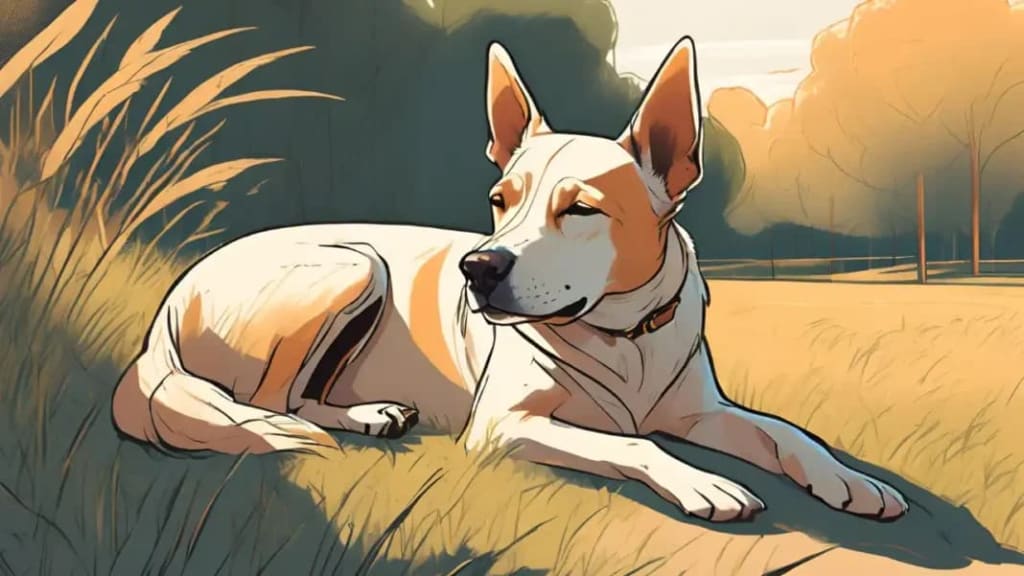
Humans express themselves through words, but dogs tell their stories through body language. Our four-legged companions we relied on non-verbal cues, and a simple tail wag can mean different things based on its direction and speed.
Dogs naturally hide their pain and discomfort, which makes reading their silent signals a vital skill for owners. Research reveals that a dog’s tail wagging has deeper meaning – they wag to the right for positive feelings and to the left when something negative appears, yet most owners miss this subtle difference. Their bodies speak volumes through various signals, from raised hackles that show stress to calming yawns during tense moments.
Let’s decode these hidden messages together and learn your dog’s unique body language. This knowledge will help you spot signs of distress and respond to their unspoken needs effectively.
The Silent Language of Dogs: Understanding Basic Signals
Dogs have developed a way to communicate that relies more on body postures than sounds. While barks and whines play a role, dogs mostly use silent signals—a sophisticated language that has grown more complex through thousands of years.
Why dogs rely on body language more than vocalizations
Visual communication works better for dogs in both hunting and social situations. Canine behavior experts point out that body postures and olfactory (scent) cues make up the main parts of dog language. Vocal sounds take a back seat. Dogs use this quiet way of communicating to share their intentions with pack members without alerting prey or drawing attention from predators.
Dogs can move different parts of their body at once to create a complete message that other dogs understand right away. Their visual language lets them express everything from fear to playfulness with subtle variations.
The four key body areas to watch: face, tail, posture, and ears
You’ll need to watch these critical areas to understand what your dog is saying:
Face: Look at eye position (soft or hard), mouth tension, and facial expressions. Relaxed dogs often squint with almond-shaped eyes and no white showing. The visible eye whites (whale eye) usually mean the dog feels stressed or scared.
Tail: Both position and movement patterns matter. A neutral tail shows the dog feels relaxed, while high-held tails indicate confidence or excitement. Dogs tuck their tails between their legs when scared or anxious.
Posture: The dog’s stance reveals its emotional state. Weight shifted forward might mean interest or aggression, while cowering or lowering shows fear or submission.
Ears: Even dogs with floppy ears communicate through tiny ear movements. Forward-pointing ears show alertness or interest. Dogs pin their ears back when scared or submissive.
How context changes meaning in dog body language
The most crucial thing to remember is that no signal stands alone. The same body language can mean completely different things based on the situation. A wagging tail might show happiness, anxiety, or even aggression depending on its height, speed, and other signals the dog gives.
Breed differences also substantially change how we interpret these signals. Some breeds naturally hold their tails higher (like huskies) or have ears that always stand up (like German shepherds). What looks like an alert posture might just be normal for that breed.
Dogs often develop their own unique expressions—some show a “smile” when greeting (which looks like a snarl) while others freeze to be polite. That’s why you need to watch your dog in different situations to truly understand what they’re saying.
Q1. How can I tell if my dog is trying to communicate something? Dogs use various body language signals to communicate. Pay attention to their facial expressions, ear positions, tail movements, and overall posture. For example, a wagging tail doesn’t always mean happiness – the speed, height, and direction of the wag can indicate different emotions. Yawning, lip-licking, and looking away are often calming signals that show stress or discomfort.
Q2. What are some ways dogs show affection to their owners? Dogs express affection through physical touch, such as leaning against you, cuddling, or seeking pets. They may maintain eye contact, follow you around, or bring you their favorite toys. Some dogs show love by grooming their owners, like gently licking their hands or face. Remember that each dog has its unique way of showing affection.
Q3. What are common signs of stress in dogs? Look for subtle cues like excessive yawning, lip-licking, or sudden sniffing of the ground. Other stress indicators include whale eye (showing the whites of their eyes), pinned-back ears, tucked tail, and stiff body posture. If these signals are ignored, the dog may escalate to more obvious signs like growling or attempting to flee the situation.
Q4. Can dogs sense when something is wrong with their owners? Yes, dogs are highly attuned to their owners’ emotions and physical states. They can often detect changes in your body language, voice, or scent that might indicate illness or distress. This sensitivity allows them to provide comfort or alert others when their owner is unwell, making them excellent companions and even potential service animals.
Q5. How should I respond when I notice my dog is uncomfortable? When you observe signs of discomfort in your dog, it’s important to respect their communication and take appropriate action. Create a safe space where they can retreat when stressed, and ensure all family members know to leave them alone in this area. In social situations, intervene if play becomes too intense or if your dog is consistently showing calming signals that are being ignored. Building trust involves consistently respecting your dog’s boundaries and responding appropriately to their cues.
About the Creator
Peter Ahn
DoggyZine.com provides unique articles. Health, Behavior, Life Style, Nutrition, Toys and Training for dog owners.




Comments
There are no comments for this story
Be the first to respond and start the conversation.