


As a dog owner, it's important to understand the connection between your dog's health and their diet. A balanced and nutritious diet is essential for maintaining your dog's overall health and well-being. In this blog, we will discuss the importance of dog health and diet, and provide some tips on how to ensure your dog is getting the nutrition they need.
First and foremost, it's important to understand that dogs are omnivores, which means they require a combination of protein, carbohydrates, and fats in their diet. A balanced diet should include high-quality sources of protein such as chicken, beef, or fish, as well as complex carbohydrates like brown rice, sweet potatoes, or peas, and healthy fats such as fish oil or flaxseed oil.
One of the most important aspects of a healthy diet for dogs is protein. Protein is essential for maintaining strong muscles and supporting healthy growth and development. Look for dog food that contains high-quality sources of protein such as chicken, turkey, beef, or fish. Avoid dog food that contains “meat by-products” or “meat meal,” as these can be low-quality sources of protein.
Carbohydrates are also important for dogs, as they provide energy and support digestive health. Look for dog food that contains complex carbohydrates like brown rice, sweet potatoes, or peas. Avoid dog food that contains fillers like corn, wheat, or soy, as these can be difficult for dogs to digest and may cause allergic reactions.
When selecting dog food, pay attention to the ingredient list and nutritional information on the package. The first ingredient listed should be a high-quality source of protein. Look for dog food that contains a balance of protein, carbohydrates, and fats, and that is appropriate for your dog's age, size, and activity level.
Healthy fats are also important for dogs, as they support brain function, skin and coat health, and immune function. Look for dog food that contains healthy fats such as fish oil or flaxseed oil. Avoid dog food that contains low-quality fats like animal fat or vegetable oil.
In addition to choosing high-quality dog food, it's important to monitor your dog's portion sizes and feeding schedule. Overfeeding your dog can lead to obesity and other health problems. Follow the recommended feeding guidelines on your dog's food bag, and adjust portion sizes as needed based on your dog's age, activity level, and overall health.
It's also important to provide your dog with plenty of fresh water. Water is essential for maintaining proper hydration and supporting healthy organ function. Make sure your dog always has access to clean, fresh water.
In addition to providing a healthy diet, there are several other things you can do to support your dog's overall health and well-being. Regular exercise is important for maintaining a healthy weight and supporting cardiovascular health. Make sure your dog gets plenty of exercise each day, whether through walks, playtime, or other activities.
Regular veterinary check-ups are also important for maintaining your dog's health. Your vet can provide guidance on your dog's specific nutritional needs, as well as monitor their overall health and screen for any potential health problems.
In summary, a balanced and nutritious diet is essential for maintaining your dog's health and well-being. Look for high-quality dog food that contains a balance of protein, carbohydrates, and healthy fats, and monitor your dog's portion sizes and feeding schedule. Provide your dog with plenty of fresh water and regular exercise, and schedule regular veterinary check-ups to monitor their overall health. By prioritizing your dog's health and diet, you can help ensure a happy and healthy life together.
Click here to learn more about exposed dog health guides and preparing for emergencies!
About the Creator
CarryOnEDC
Giving people knowledge about the importance of being prepared for any situation when there is no help on the way.
Keep reading
More stories from CarryOnEDC and writers in Petlife and other communities.
Ultimate Guide to Training Your Puppy
Dog training is an essential part of owning a dog. It helps to ensure that your dog is well-behaved, safe, and happy. Proper training can also help you build a strong bond with your dog and make your life together more enjoyable. In this blog, we will discuss some key aspects of dog training and how to get started.
By CarryOnEDC3 years ago in Petlife
30 Days in a Shelter
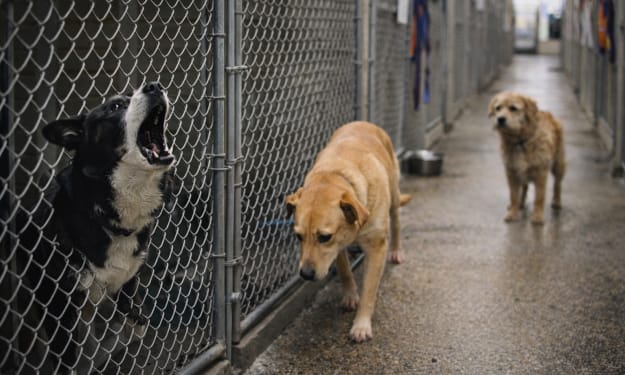
By day 3, the barking changes. The first 48 hours are chaos. Intake processing. New smells. Metallic doors slamming. By day 3, some dogs bark constantly. Others stop almost entirely. One paces the kennel line until the pads on his feet redden. Another stands motionless, eyes half-lidded, ignoring visitors.
By Dr. Mozelle Martin3 days ago in Petlife


Comments
There are no comments for this story
Be the first to respond and start the conversation.