
German Longhaired Pointer
The German Longhaired Pointer is a typical pointer dog. Not only its appearance but also its history and character distinguish it from the other well-known German pointers

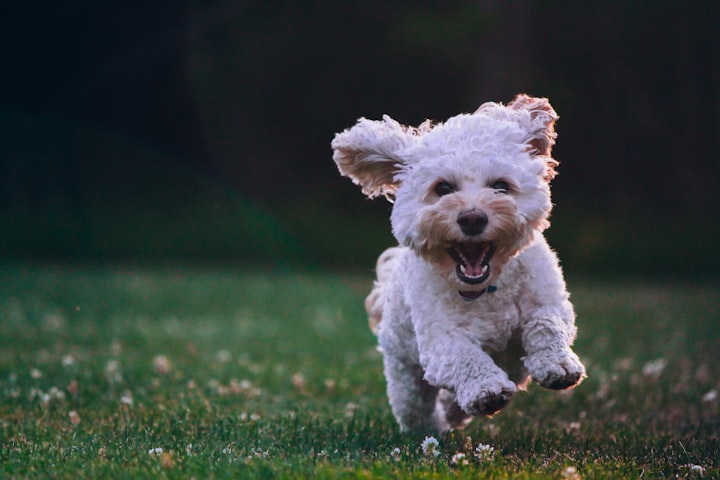
The German Longhaired Pointer is a typical pointer dog. Not only its appearance but also its history and character distinguish it from the other well-known German pointers, the German Shorthaired Pointer and the German Wirehaired Pointer. We introduce you to this nice hunter.
Appearance: a typical pointer dog
This dog has been bred as a pure breed since the end of the 19th century; since then, the standard has hardly changed. It is a typical pointer dog that many laymen spontaneously associate with the Gordon setter or the large munsterlander, with whom he has a lot in common.
Here are some summary characteristics of the breed according to the FCI German Longhaired Pointing Dog standard.
The German Longhaired Pointer is considered to be a strong, muscular dog, which should not appear too heavy. The muzzle and skull are about the same length and the shoulders are higher than the dog's croup, according to the standard. Breeders should place special emphasis on the "beautiful long-haired head", which emphasizes the noble appearance of the dog.
How big is a German Longhaired Pointing Dog? German Longhair males reach an average height at the withers of 60 to 70 centimeters. Female dogs, like most dog breeds, are slightly smaller. As adults, they reach a size of 58 to 66 centimeters. The weight is about 30 kilograms.
Coat color and type
As for the colors of the coat, there are many possibilities: smooth brown, mottled brown, and white and brown spots with or without a tan.
Both on the back and the sides of the rump, the coat should be 3 to 5 centimeters long and close-fitting. It can be longer on the neck, chest, and belly. The back of the front and hind legs are fringed. Below the hocks and on the head the coat is considerably shorter but longer than the German Shorthair.
The eyes are always brown, as dark as possible, and without visible nictitating membrane. The drooping ears of the German Longhaired Pointer are slightly turned forward.
The tail should be slightly up in the upper third and has a beautiful "flag" (longer fur).
Character: the German Longhair is a friendly ranger dog
Those looking for a friendly, multi-talented hunting dog should take a look at this breed, as it may very well be the one for them.
From the hunter's point of view, the German Longhair is considered easy to handle and has a calm and balanced character. It forms a close bond with its two-legged packmate and does not attack humans in any way. With strangers, he is shy, but never aggressive.
Character plays an important role in breeding approval, such as resistance to gunfire and storms. This pointer dog is considered sensitive. Therefore, in case of an absent or deficient imprint, it can tend to fear.
The German Longhaired Pointer not only barks in many situations during the hunt but also makes a good watchdog. This pointer dog tends to bark.
Hunting training as the basis of education
Every German Longhair should enjoy training a hunting dog. Predation and hunting acumen are firmly anchored in their nature. You should also keep barking under control in everyday life. The special training of hunting dogs includes not only finding various tracks but also training around resistance to gunshot noises.
After all, the dog shouldn't run away when a shot is heard. A dog that has been properly trained in hunting is usually easy to train. He likes to work with his two-legged friend, which makes living together relaxed.
Ownership and care: "long-haired" coat that is easy to maintain
Dog lovers looking for an all-rounder for passionate hunting and a friendly four-legged friend for leisure time make a great match for the German Longhair.
Its coat is dense, long, and with a lot of undercoats. However, the grooming is less laborious than that of most long-haired dogs. Brushing every few days is enough to keep the coat in shape.
If you often go for a walk in the woods and meadows, it is better to check your faithful friend once a day for ticks to remove them if necessary. Protect it with proper tick protection. the regular cleaning of floppy ears is also part of the care program.
Does a German with long hair fit me?
The word "hunting dog", as it happens with the better known German Shorthaired Pointer, is not a gift, but an obligation: the German Longhaired Pointer must be in the hands of hunters. In that environment, he appreciates close family ties. Unlike the German Shorthair, he is calm and cuddly at home.
It is well suited to families with children. Many German Longhairs form an especially close bond with just one member of the family but are gentle with all other members of the pack and patient with children.
An exception may be cats and other small animals: by nature, German Longhairs and other hunting dogs tend to chase cats. If the pointer is going to live with cats, early socialization with cats in their puppyhood is important. Small animals, such as guinea pigs and such, should never be around a hunting dog without supervision.
Activity: employment as a hunting dog
As a hunting dog, the German Longhaired Pointer is a versatile companion for hunters. It is used in the forest, field, and water, both before and after the shot. This typical ranger dog is valued above all for its thoroughness and its robust and intrepid character.
After the shot, his favorite hunting disciplines are tracking, that is, following the scent of downed game, as well as retrieving game on land and in the water. Hunters call the search for lost prey the recovery of hunted small game, such as ducks or rabbits.
Of course, the German Longhaired Pointer makes an excellent pointer, i.e. it signals the game it has discovered with its nose in a typical way: pointer dogs pause in their movement without making a sound, raising one front paw. Pointing is an innate trait.
Health: The German Longhaired Pointer is a healthy breed of dog
As the German Longhair was bred for use in hunting, it remains a healthy and hardy breed today. As with all dogs in this weight category, they can hip problems in isolated cases.
Serious breeders check the hip joints of their breeding animals before using them for breeding. Ears can be prone to infection, so good ear hygiene is important, especially after work in the water.
Breeds with a reduced gene pool are prone to genetic diseases. The clubs prevent it by avoiding the so-called breeding of champions. By this, we mean that prize males with outstanding qualities mate too often with female dogs. In Germany, stud dogs of this breed can be used a maximum of twelve times for one (successful) mating.
How old does a German Longhair reach?
With good breeding and regular health care, a German Longhair has a life expectancy of between 12 and 15 years.
History: their ancestors are bird hunting dogs
The German Longhair dates back to the typical bird hunting dogs that were already common in Germany in the Middle Ages. Following crossbreeding with the ancestors of the Breton Spaniel, German Longhaired-type dogs became popular, especially in the northern areas of Germany.
In the 19th century, English hunting dogs, especially English setters and pointers, were bred to make these somewhat heavy quadrupeds faster. Since 1879 they have been bred in purebred. The characteristics of the breed established by Freiherr von Schorlemer-Alst in 1897 have for the most part endured to the present day.
They remain the cornerstone of German Longhair breeding. This breed is popular with hunters today but is less common than the German Wirehaired Pointer and German Shorthaired Pointer.
Breeding and buying: mainly delivered to hunters
While there are isolated efforts to breed beauty lines from this versatile hunting dog, the motto around breeding "By hunters, for hunters" applies with good reason. Serious breeders include hunting fitness in their breeding goal and only give dogs of this breed to their colleagues.
Most breeders live in the country of origin of this dog breed, Germany. Every year about 550 puppies of this breed are born there.
How much does a german longhair cost?
A German Longhair puppy from a reputable breeder costs about 1,200 euros.
Where can I buy a german longhair?
If you want to buy a German Longhair, you can contact one of the sixteen existing breeding clubs. The higher association Deutsch-Langhaar-Verband offers a list of breeding clubs.
Before the breeding of dogs is authorized, the owners must present several tests. These include health checks, but also hunting aptitude tests, such as the "toughness test" and the "bark test", the Verbandsjugendprüfung test (JVP), or the Herbstzuchtprüfung test (HZP). Of course, males and females must also meet the aesthetic standard.
Clubs such as Jägerhunde or Krambambulli occasionally place hunting dogs that have lost their homes. Many of them are looking for male and female hunters with whom they can go hunting together. Some are also suitable for non-hunters, but there are usually no purebred German Longhairs among them.
alternate races
This breed of dog has many similarities to other pointer dogs. Among them are the aforementioned German Shorthaired Pointer and German Wirehaired Pointer. However, the German Longhaired Pointer shares ancestry with the Large Munsterlander Pointing Dog, a very similar dog breed. If you don't want to go hunting, but want to play dog sports with your four-legged friend, you should find out about the sporting Hungarian Pointing Dog, the Vizsla.
Conclusion: the beauty of the forest for hunters
There is no doubt that the German Longhaired Pointer is a friendly and beautiful dog, in good health and that also arouses desires in non-hunters.
But for most dog lovers it's best to admire this quadruped from a distance. Professional and amateur hunters will find the German Longhair a great friend and co-worker.
About the Creator
Abu Saleh
Content writer & Affiliate marketer. https://bestpetslover.com



Comments
There are no comments for this story
Be the first to respond and start the conversation.