
From Potty Training to Commands: A Comprehensive Guide to Puppy Training
How to train your puppy like a Pro!
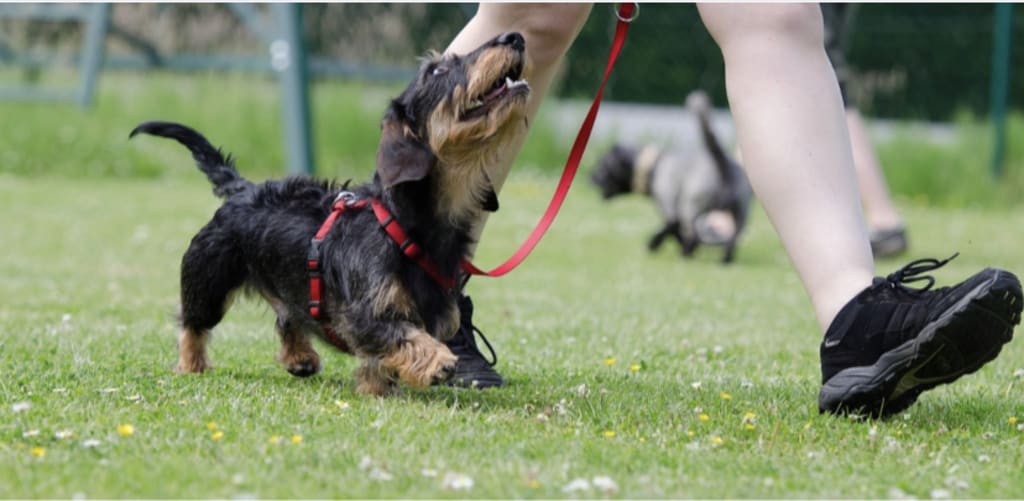
Congratulations on your decision to bring a new furry friend into your family! As a dedicated pet owner, you want to provide your puppy with the best possible care and training. After all, a well-trained dog is not only a joy to have around, but also a vital member of your family. But where do you start? From potty training to basic commands, puppy training can seem overwhelming, but it doesn't have to be. In this comprehensive guide, we'll cover everything you need to know to ensure your new pup is well-behaved, obedient, and happy. You'll learn the best techniques for potty training, crate training, and leash training, as well as tips for teaching basic commands and socializing your puppy with other dogs and people. With this guide, you'll be on your way to raising a happy, healthy, and well-trained pup in no time!
Discover the secret to training a puppy in no time!
The Importance of Puppy Training
Puppy training is crucial for raising a well-behaved and obedient dog. Training your puppy not only helps to prevent behavioral problems but also creates a strong bond between you and your furry friend. A well-trained puppy is not only easier to live with but also more enjoyable to be around. Puppies are like sponges, and they absorb everything around them. Puppy training provides an opportunity for you to shape your puppy's behavior and teach them what is acceptable and what is not.
Puppy training helps to establish a routine and structure in your puppy's life. It helps to teach them boundaries and rules which will help them navigate their surroundings better. A well-trained puppy is more confident and less anxious than an untrained one. Puppy training also helps to keep your puppy safe by teaching them basic commands such as "come" and "stay."
Training your puppy is an ongoing process that requires patience, consistency, and positive reinforcement. The earlier you start training your puppy, the better. Puppies are most receptive to learning between the ages of 8 and 16 weeks. However, it's never too late to start training your puppy.
Understanding Your Puppy's Behavior
Before you start training your puppy, it's essential to understand their behavior. Puppies are like babies, and they need to learn everything from scratch. They have short attention spans and are easily distracted. They also have a lot of energy and need to be exercised regularly. Understanding your puppy's behavior will help you train them more effectively.
Puppies communicate through body language, and it's essential to pay attention to their body language to understand what they are trying to tell you. For example, if your puppy is wagging their tail, it means they are happy and excited. If they are growling or barking, it means they are scared or feeling threatened.
Puppies also have a natural instinct to chew and bite. They use their mouths to explore their surroundings, and it's essential to teach them what is acceptable to chew and what is not. Puppies also need to be socialized with other dogs and people to learn how to interact with them correctly.
Discover the secret to training a puppy in no time!
Potty Training Techniques
Potty training is one of the most critical aspects of puppy training. It requires patience, consistency, and positive reinforcement. The key to potty training your puppy is to establish a routine and stick to it. Puppies need to be taken outside to potty every 2-4 hours, depending on their age. Here are some potty training techniques you can use:
1. Crate Training: Crate training is an effective way to potty train your puppy. Dogs do not like to soil their sleeping area, so crate training can help them learn to hold their bladder. You should only use a crate that is big enough for your puppy to stand up, turn around, and lie down comfortably. You should also provide your puppy with plenty of toys and treats to keep them entertained while in the crate.
2. Paper Training: Paper training involves using a specific area of your home as your puppy's potty spot. You can use newspaper, puppy pads, or disposable pads for this purpose. The key to paper training is to take your puppy to the designated area every 2-4 hours and provide positive reinforcement when they go potty on the paper.
3. Outdoor Training: Outdoor training involves taking your puppy outside to potty on a regular schedule. You should take your puppy outside every 2-4 hours and provide positive reinforcement when they go potty outside. It's essential to take your puppy to the same spot every time to help them establish a routine.
Discover the secret to training a puppy in no time!
Crate Training Tips
Crate training is an essential part of puppy training. It not only helps with potty training but also provides a safe and comfortable space for your puppy. Here are some crate training tips you can use:
1. Start Slowly: You should introduce your puppy to the crate slowly. Place treats and toys inside the crate to encourage them to enter. You can also feed your puppy inside the crate to help them associate it with positive experiences.
2. Make it Comfortable: You should make the crate as comfortable as possible for your puppy. Provide them with a soft blanket or bed to lie on. You can also place their favorite toys inside the crate to keep them entertained.
3. Never Use the Crate as Punishment: You should never use the crate as punishment. The crate should be a safe and comfortable space for your puppy, and they should associate it with positive experiences.
Leash Training Strategies
Leash training is an essential part of puppy training. It helps to keep your puppy safe and under control while out in public. Here are some leash training strategies you can use:
1. Start Indoors: You should start leash training your puppy indoors before going outside. Attach the leash to your puppy's collar and let them drag it around the house. This will help them get used to the feeling of the leash.
2. Positive Reinforcement: You should use positive reinforcement to encourage your puppy to walk on the leash. Provide them with treats and praise when they walk on the leash correctly.
3. Start Slowly: You should start by walking your puppy in a quiet area with no distractions. Gradually increase the distance and introduce distractions such as other dogs and people.
Discover the secret to training a puppy in no time!
Basic Commands to Teach Your Puppy
Teaching your puppy basic commands is an essential part of puppy training. It helps to establish a line of communication between you and your puppy. Here are some basic commands you can teach your puppy:
1. Sit: Teaching your puppy to sit is one of the easiest commands to teach. Hold a treat above your puppy's head and say "sit." Your puppy will naturally lower their rear end to the ground. Provide them with a treat and praise when they sit correctly.
2. Come: Teaching your puppy to come when called is crucial for their safety. Start by calling your puppy's name and saying "come." When your puppy comes to you, provide them with a treat and praise.
3. Stay: Teaching your puppy to stay is essential for their safety. Start by having your puppy sit. Say "stay" and take a step back. If your puppy stays in place, provide them with a treat and praise.
Socializing Your Puppy with Other Dogs and People
Socializing your puppy with other dogs and people is crucial for their development. It helps them learn how to interact with others correctly. Here are some tips for socializing your puppy:
1. Start Early: You should start socializing your puppy as early as possible. Puppies are most receptive to learning between the ages of 8 and 16 weeks.
2. Exposure: You should expose your puppy to a variety of people and dogs. Take them to dog parks, puppy classes, and other social events.
3. Positive Reinforcement: Use positive reinforcement to encourage your puppy to interact with others correctly. Provide them with treats and praise when they interact appropriately.
Common Puppy Training Mistakes to Avoid
Puppy training can be challenging, and many pet owners make common mistakes. Here are some common puppy training mistakes to avoid:
1. Punishment: You should never punish your puppy for bad behavior. Punishment can cause your puppy to become fearful or aggressive.
2. Inconsistency: Consistency is key when it comes to puppy training. You should establish a routine and stick to it.
3. Lack of Patience: Puppy training takes time and patience. You should never expect your puppy to learn everything overnight.
Discover the secret to training a puppy in no time!
Advanced Training Techniques
Once your puppy has mastered the basics, you can move on to more advanced training techniques. Here are some advanced training techniques you can use:
1. Agility Training: Agility training involves teaching your puppy to navigate an obstacle course. It helps to improve their coordination and confidence.
2. Trick Training: Trick training involves teaching your puppy fun and entertaining tricks such as rolling over or playing dead.
3. Advanced Commands: Advanced commands such as "heel" and "down" can be taught once your puppy has mastered the basics.
Puppy Training Resources - Books, Videos, and Courses
There are many resources available to help you with puppy training. Here are some resources you can use:
1. Books: There are many books available on puppy training. Look for books written by reputable dog trainers.
2. Videos: There are many online videos available that demonstrate puppy training techniques.
3. Courses: Puppy training courses are available in person and online. Look for courses taught by certified dog trainers.
Discover the secret to training a puppy in no time!
Conclusion - The Benefits of a Well-Trained Puppy
In conclusion, puppy training is crucial for raising a happy, healthy, and well-behaved dog. It helps to prevent behavioral problems and creates a strong bond between you and your furry friend. With patience, consistency, and positive reinforcement, you can teach your puppy everything they need to know to become a well-trained and obedient dog. Remember, a well-trained puppy is not only a joy to have around but also a vital member of your family.
About the Creator
Keep reading
More stories from writers in Petlife and other communities.




Comments
There are no comments for this story
Be the first to respond and start the conversation.