
Exploring the Fascinating Relationship Between Temperature and Wildlife
An In-Depth Look into How Thermals Affect Birds and Other Animals

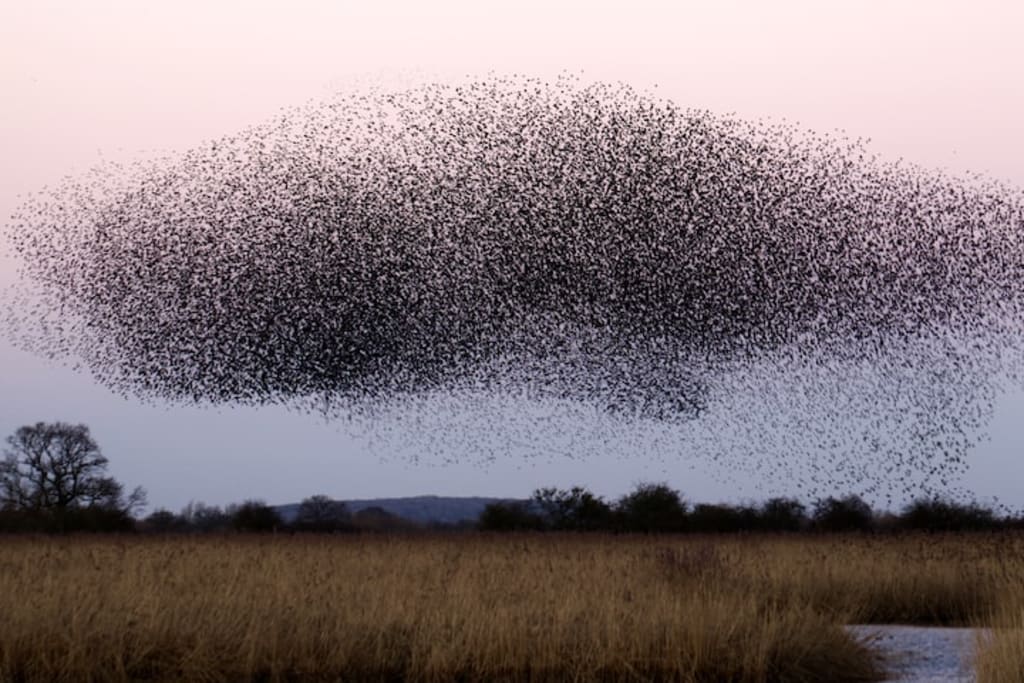
Have you ever watched a group of birds soaring high up in the sky, circling around without any clear direction or purpose? Have you ever wondered how they manage to fly effortlessly for hours on end without flapping their wings too much? The answer to these questions lies in the phenomenon of thermals, which are like big bubbles of warm air that rise from the ground.
Thermals occur when the sun heats up the Earth's surface, causing the air close to the ground to become warm and rise. This warm air then rises higher and higher until it cools and forms a cloud. Birds, especially large raptors such as hawks, vultures, and eagles, use thermals to save energy and fly for extended periods without getting tired. They circle inside the thermal and climb higher and higher to get a better view of their surroundings. This behavior helps them search for food more easily or watch out for predators from a higher vantage point. Insects also take advantage of thermals, and you may see them flying together in circles.
Geese and ducks, on the other hand, fly in a V-formation to save their strength. All the birds in the flock take turns leading the V, allowing each bird to rest and save energy. This way, they can travel long distances without getting too tired.
It's not just birds that have unique ways of sensing changes in weather conditions. Animals have evolved different strategies to cope with the vagaries of nature. Cows and other livestock may huddle together in groups for warmth and protection during storms. They may also lie down in a field before a storm to ease their discomfort, although it's uncertain whether this is an indication of an impending storm. Amphibians such as frogs and toads become more vocal and active before a storm due to changes in humidity and air pressure. Toads have even been observed to flee their homes before an earthquake due to changes in the chemistry of the ponds where they live.
Dogs have an exceptional sense of hearing and smell, allowing them to sense changes in air pressure and static electricity build-up before a storm. This ability can cause them to become restless, clingy, or hide in safe places. Honeybees can also sense changes in pressure and humidity levels and use this information to predict when a storm is coming.
However, thermals can also create powerful storms like thunderstorms. When you see birds flying in circles or a V-formation, it may indicate that they sense an impending storm. Bad weather is often associated with low-pressure systems that cause the air to move and create wind. Low-pressure systems can also cause thunderstorms, heavy rains, or even hurricanes.
In conclusion, thermals play a significant role in the behavior of birds and other creatures. Understanding how animals sense changes in weather conditions can help us predict natural phenomena like earthquakes and storms. Although some beliefs about animal behavior may not have sufficient scientific evidence, they provide an exciting and interesting insight into how animals interact with their environment.
The ability of animals to sense weather changes has been known to humans for centuries. In ancient times, people relied on animal behavior to predict weather patterns. For example, if cows were lying down in a field, it was believed to be a sign of an impending storm. Similarly, if birds were flying in a particular pattern, it was believed to be a sign of good or bad weather.
Today, with the help of advanced technology and scientific methods, we have a better understanding of how animals interact with their environment. We know that thermals play a crucial role in bird behavior, and animals have unique ways of sensing changes in weather conditions. This knowledge has helped us predict natural disasters and take preventive measures to mitigate their impact.
In conclusion, the behavior of animals can provide valuable insights into the natural world around us. Observing
About the Creator
Saâd Idrissi
Looking for fresh perspectives and engaging content? Join me on this exciting journey of discovery! As a language model, I'm here to inform, educate, and entertain you with the latest news, trends, and timeless wisdom.
Keep reading
More stories from writers in Petlife and other communities.
30 Days in a Shelter
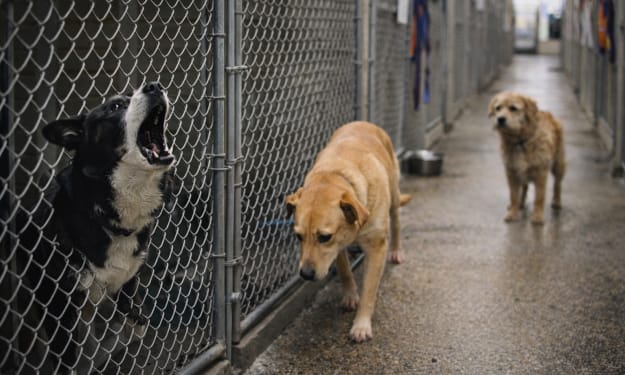
By day 3, the barking changes. The first 48 hours are chaos. Intake processing. New smells. Metallic doors slamming. By day 3, some dogs bark constantly. Others stop almost entirely. One paces the kennel line until the pads on his feet redden. Another stands motionless, eyes half-lidded, ignoring visitors.
By Dr. Mozelle Martina day ago in Petlife
Cassie and Johnny
I’m the kind of dame you notice. I’m no femme fatale, but you can’t ignore me, at least not until I warn you about what’s coming, then everybody ignores me. Hell, they usually blame me afterwards and give Johnny all the credit for saving the day, but my Johnny couldn’t save a seat at the movies without my help. Sure, he’s brawny, but brainy? Not so much. Like that time I asked him to spot me five bucks, and he said he didn’t see it anywhere on me, and believe you me, he looked but good.
By Harper Lewis5 days ago in Critique



Comments
There are no comments for this story
Be the first to respond and start the conversation.