
Dogs and Diet FAQs: Everything Pet Owners Need to Know
When it comes to keeping our furry friends happy and healthy, their diet is one of the most critical aspects to consider.
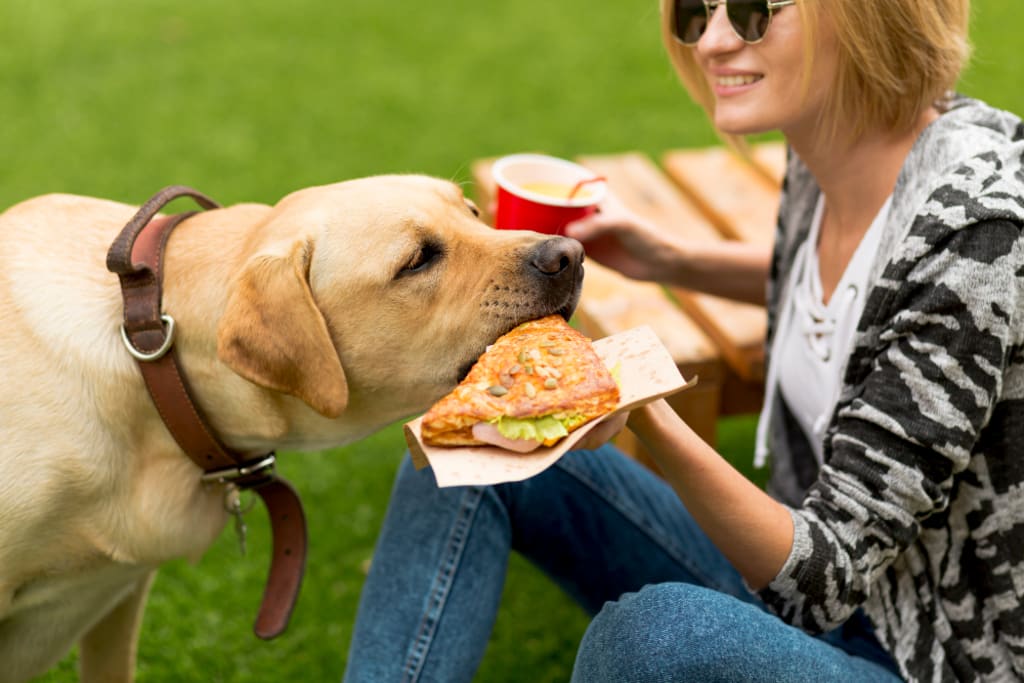
When it comes to keeping our furry friends happy and healthy, their diet is one of the most critical aspects to consider. Understanding the intricacies of feeding dogs can be a daunting task, especially with the abundance of conflicting advice available. This guide answers the most frequently asked questions about dogs and diet, ensuring you're equipped with the knowledge to make the best choices for your canine companion.
Why a Balanced Diet for Dogs is a Must
A balanced diet doesn't merely make sure your dog isn't hungry all the time. Rather, it's the basic premise of the animal's general well-being. Nutrients strengthen its immune system, keep the coat shiny, and give energy to keep going. Much like in human beings, proteins, carbohydrates, fats, vitamins, and minerals form a harmonious balance required by dogs for good health. It is basically the way to an improved and longer life with your pet.
What Foods Are Safe for Dogs?
Navigating what is safe and what is not safe for dogs is a challenge. Foods that are typically safe include lean meats, cooked eggs, carrots, blueberries, and rice. However, remember to always remove harmful additives from foods, such as onions, garlic, and excessive salt. Introduce new foods gradually to prevent upsetting your dog's stomach.
What Foods Are Dangerous for Dogs?
Some human food items are lethal for dogs. Some of the most harmful human foods include: Chocolate, raisins, grapes, onions, garlic, and xylitol, among others. Then, there's also fatty and sugar-free processed food that cause dangerous conditions of pancreatitis and food poisoning in animals. Don't feed human treats to a pet without having research on it first or before consulting the vet. Here are some dosages for each kind of your pup:
The quantity of food your dog should consume depends on the age, breed, size, and activity level. Puppies and highly active breeds require a lot of calories, whereas older or less active dogs require much fewer. As a general guideline, simply adhere to the commercial dog food packages feeding guidelines and further adjust based on your vet's advice.
Do I Feed Commercial Dog Food or Homemade Diets?
This is one of the most debated topics in dogs and diet discussions. Commercial dog foods are convenient, nutritionally balanced, and easy to store. On the other hand, homemade diets allow you to control the ingredients, which is beneficial for dogs with allergies or sensitivities. If you choose homemade, consult a vet or canine nutritionist to ensure the diet meets all of your dog's nutritional needs.
What are the advantages of grain-free diets?
Grain-free diets have been popular, especially among dogs with grain sensitivities or allergies. These diets can improve digestion, reduce skin irritation, and help maintain a healthy coat. However, not all dogs need grain-free diets. Recent studies suggest that some grain-free options may be linked to heart disease, so always consult your vet before making the switch.
Can dogs eat raw diets?
Raw diets are a hot topic in the realm of dogs and diet. Proponents argue that raw food mimics a dog’s natural eating habits and can lead to healthier skin, shinier coats, and cleaner teeth. However, raw diets also pose risks, such as bacterial contamination and nutrient imbalances. If you’re considering raw feeding, seek advice from a vet or canine dietitian to minimize potential hazards.
How do you handle food allergies in dogs?
Food allergies will trigger itching, ear infections, vomiting, and diarrhea in a dog. When you suspect a food allergy, work with your vet on an elimination diet where you'll feed a novel protein, like duck or venison, along with a novel carbohydrate, like sweet potato, to identify the culprit ingredient. Many commercial dog foods have foods for allergy-sensitive dogs as well, with hypoaollegenic products available.
What's the Role of Supplements in Dogs and Diet?
Supplements are helpful, but they are not a replacement for a balanced diet. Omega-3 fatty acids, glucosamine, and probiotics are some of the most common supplements that aid in joint well-being, coat condition, and digestion. Over-supplementation can cause health problems; therefore, speak to your vet to ascertain whether your dog needs any supplements.
How Often Should You Feed Your Dog?
Most adult dogs do well with two meals a day—once in the morning and again in the evening. Puppies require more frequent feeding, typically three to four times daily, to support their rapid growth and energy needs. Consistency is key, so try to feed your dog at the same times each day to maintain a routine.
Is It Okay to Give Dogs Treats?
Treats are also a good tool for rewarding a dog for good behavior, but make sure to do them in moderation. Treats must not comprise of more than 10% of your dog's daily calorie. Choose low-calorie, nutritious treats, or even pieces of safe human food, such as an apple slice or carrot stick, instead of foods with artificial flavoring or preservatives.
What Should You Do When Your Dog Won't Eat?
It is concerning if your dog suddenly stops eating. Try to rule out the common environmental things like stress or changes in routine. If the above remedies do not work, it is possible that there may be an underlying issue. For example, dental pain, digestive tract issues, or infection could be the case. Treat the cause by taking your pet to the vet, and get him or her eating normally again.
How Do You Transition Your Dog to a New Diet?
Transitioning your dog's diet should always be done gradually to avoid digestive upset. Mix a small amount of the new food with the old food and gradually increase the new food over 7–10 days. This slow transition allows your dog's digestive system to adapt and minimizes the risk of diarrhea or vomiting.
Do Senior Dogs Have Different Dietary Needs?
Yes, older dogs require fewer calories because they don't exercise that much but need high-quality protein for muscles. Most senior dog foods are supplemented with joint supports such as glucosamine and chondroitin. Some seniors also like softer foods, in case there is dental problem.
How Do You Ensure a Balanced Diet for Dogs?
To ensure your dog's diet is balanced, first use high-quality protein as a foundation, and then healthy fats, complex carbohydrates, and lastly, important vitamins and minerals. Whether choosing commercial food or homemade meals or a mix of both, be sure to look for products that are AAFCO approved.
Conclusion: Prioritizing Dogs and Diet for a Healthier Life
Understanding dogs and diet is such a journey, requiring you to be observant about what you feed, researching what they should be eating, and committing to their health. From their diet composition to allergies to feeding schedules, the decisions you make directly benefit your furry friend's health, for which we all dream. Staying up-to-date and referring to professionals when necessary can ensure your dog leads the longest and most vigorous life possible, full of wagging tails and happy belly rubs.
About the Creator
Keep reading
More stories from Christopher and writers in Petlife and other communities.
Expert Tips on Using Oil for Dogs' Skin Irritations
Caring for your dog’s skin is vital for their overall health and happiness. Skin irritations in dogs can stem from various causes, such as allergies, parasites, or infections. Thankfully, natural remedies like oil for dogs skin can offer relief and nourishment. In this blog, we’ll explore expert tips on effectively using oils to treat and prevent skin irritations in dogs.
By Christopher12 months ago in Petlife
A Dart at Dusk
Seconds ago, the sullen sun set on the two of us… my exuberant furry companion and me. A fresh breeze embraces us, delivering welcome relief from the day’s oppressive heat. His typical stumbling and staggering along — apace with a sloth — has turned into trip-trapping, high-stepping, almost skipping along.
By Angie the Archivist 📚🪶4 days ago in Petlife
The Day I Realized My Home Might Be Stressing My Pet
For a long time, I thought my home was the safest place my pet could be. It was warm, familiar, filled with love. There were cozy corners for naps, toys scattered across the floor, and a predictable routine that gave us both comfort. I believed I was doing everything right — feeding the best food I could afford, keeping up with vet visits, and making sure my pet never felt alone.
By Inamullah Momand 4 days ago in Petlife




Comments
There are no comments for this story
Be the first to respond and start the conversation.