
Dog Training Course: A Guide to a Better Life for Your Furry Friend
The Benefits of Dog Training Courses


Dog Training Course: A Guide to a Better Life for Your Furry Friend
As a pet owner, you understand the importance of a well-behaved dog. Training your dog not only benefits you, but also your furry friend. With the right training, you can create a harmonious and happy relationship between you and your dog.
There are many different approaches to dog training, and it is important to choose the one that works best for you and your pet. A dog training course can be a great place to start, as it provides structure, guidance, and support. The following article provides an overview of what you can expect from a typical dog training course and how it can benefit you and your pet.
What is a Dog Training Course?
A dog training course is a structured program designed to help pet owners teach their dogs basic obedience commands, as well as more advanced behaviors. Courses are typically offered by professional dog trainers, who have experience working with a variety of breeds and temperaments. Some courses are held in a traditional classroom setting, while others are offered online or through video tutorials.
The Benefits of Dog Training Courses
There are many benefits to enrolling in a dog training course, including: Structured Approach: A dog training course provides a structured approach to training, which can help you achieve your goals faster and more efficiently.
Professional Guidance: With the guidance of a professional dog trainer, you can receive personalized advice and support to help you effectively train your pet.
Group Training: Many dog training courses offer group training, which allows pet owners to learn from one another and benefit from the collective experience of the group.
Improved Relationship: By training your pet, you can improve your relationship with your furry friend and create a closer bond.
Better Behaved Dog: A well-trained dog is easier to manage and can lead a happier and healthier life.
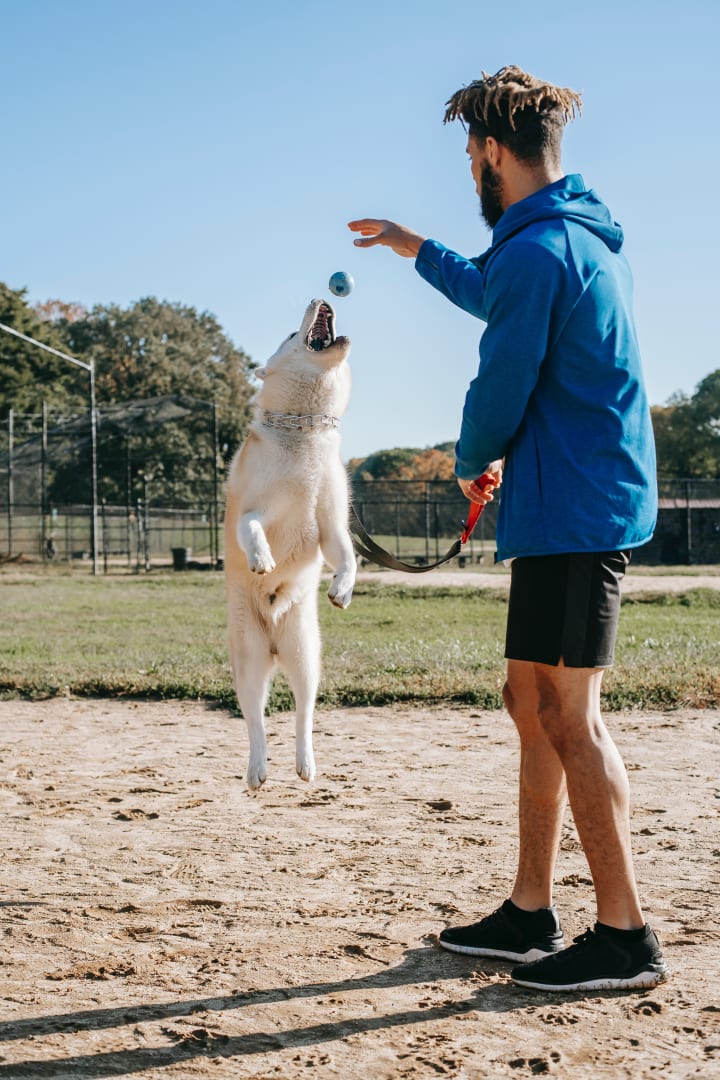
What to Expect from a Dog Training Course
A typical dog training course will include the following components:
Basic Obedience Training: This typically includes training in basic commands, such as “sit,” “stay,” “come,” and “heel.”
Advanced Training: Some courses may also offer advanced training, such as training in agility, obedience, and other behavioral issues.
Hands-On Practice: Many courses include hands-on practice sessions, where pet owners can work with their dogs in a controlled environment.
Homework Assignments: Many courses also include homework assignments, which allow pet owners to continue practicing their training at home.
Socialization: Some courses may also offer opportunities for socialization, which can help your pet become more confident and well-behaved around other dogs and people.
Choosing the Right Dog Training Course
With so many dog training courses available, it can be difficult to choose the right one for you and your pet. Consider the following when selecting a course:
Training Philosophy: Choose a course that aligns with your training philosophy. Some courses focus on positive reinforcement, while others may use more traditional methods, such as punishment-based training.
Trainer Qualifications: Look for a course taught by a professional dog trainer who has experience working with your breed and temperament.
Class Size: Consider the size of the class, as larger classes may offer more opportunities for socialization, but may also be more challenging for pet owners with less experience.
Location: If you are enrolling in a traditional classroom-style course, consider the location and availability
of the course. Choose a location that is convenient for you and your pet, and ensure that the course fits into your schedule.
Cost: Consider the cost of the course, and compare it to the cost of other training options. Keep in mind that while a more expensive course may offer more benefits, a lower-cost course may still provide the support and guidance you need to effectively train your pet.
Course Format: Choose a course format that works best for you and your pet. For example, if you prefer hands-on training, you may want to look for a course that includes in-person training sessions. On the other hand, if you prefer more flexible learning, an online course may be a better option.
Tips for Effective Dog Training
In addition to enrolling in a dog training course, there are several things you can do to ensure effective training for your pet:
Consistency: Ensure that you are consistent in your training approach. This means using the same commands and techniques every time, and being consistent in rewarding good behavior.
Patience: Training your pet takes time and patience. Be patient and remember that your pet is learning, and that it may take time for your pet to fully understand what you are asking of them.
Positive Reinforcement: Use positive reinforcement to reward your pet for good behavior. This can be in the form of treats, praise, or affection.
Practice: Regularly practice your training with your pet, both in class and at home. This will help reinforce the commands and behaviors you have taught your pet, and will keep your pet sharp and focused.
Avoid Punishment: Avoid using punishment as a means of training. Not only is punishment ineffective, but it can also damage the bond between you and your pet.
In conclusion, enrolling in a dog training course is an excellent way to create a harmonious relationship between you and your pet. By choosing the right course, being consistent and patient in your training, and using positive reinforcement, you can effectively train your pet and create a happier and healthier life for both you and your furry friend.
Disclosure:- Some link are affiliate links
About the Creator
Keep reading
More stories from writers in Petlife and other communities.
The Summer I Was Chosen by a Northern Mockingbird
During the long, suspended days of the pandemic, a wild mockingbird began visiting my driveway and chose me, again and again. What started as a strange encounter became a brief, meaningful connection that I still carry with me.
By Erica Roberts 13 days ago in Petlife
To locate food, spider monkeys employ collective intelligence.
It's difficult to find fruit in a tropical forest. Throughout the seasons, fruit trees come and go, and their places frequently shift. Due to their heavy reliance on fruit, spider monkeys must search wisely in order to succeed.
By Francis Dami5 days ago in Petlife




Comments
There are no comments for this story
Be the first to respond and start the conversation.