
Dog School: 6 Essential Tips for Training Success and a Happy Pup
Mastering Dog School: Proven Techniques for a Well-Behaved and Joyful Companion

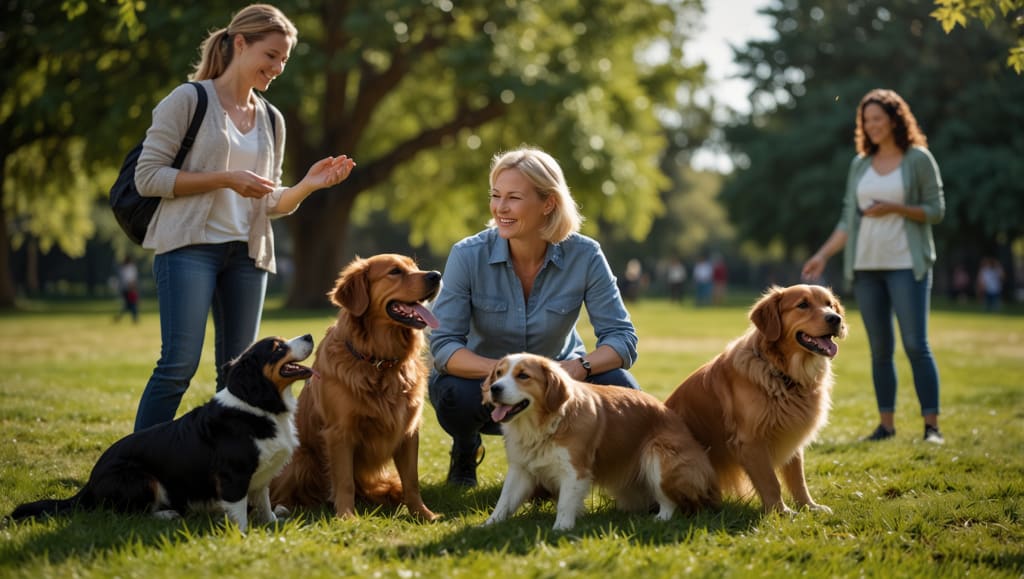
Many pet owners overlook the transformative impact that proper training can have on their dogs, thinking it’s unnecessary or too challenging. However, dog schools offer structured environments where your dog can learn essential obedience skills, overcome behavioral issues, and even master specialized tasks like agility or therapy work.
In this blog, we’ll break down everything you need to know about dog schools, from the types of training available to tips on choosing the right program for your furry friend. Whether you’re looking for basic obedience lessons or advanced techniques, dog schools cater to a wide range of needs. But is it worth the investment? And how do you know if your dog is ready for this kind of structured learning?
Let’s dive into the world of dog training and discover how a well-chosen dog school can help transform your pet into a well-mannered and happier companion.
1. The Importance of Dog School
Have you ever wondered why some dogs seem to follow commands effortlessly while others struggle with even basic instructions? The secret often lies in proper training. Enrolling your dog in a dog school can make all the difference in their behavior, both at home and in public spaces. But why is training so essential?
Why Training Your Dog is Crucial?
A well-trained dog isn’t just a delight to be around — it’s also safer for everyone. Without guidance, dogs can develop bad habits that might be hard to break, leading to issues like aggression, excessive barking, or jumping on guests. Training ensures your dog understands boundaries, making it easier for you to communicate with them and build a stronger relationship. After all, when your dog knows how to behave, you both enjoy more freedom together, whether that’s at the park, a dog-friendly café, or even during family gatherings.
Benefits of Enrolling in a Dog School
So, what exactly can dog schools offer that you might not achieve on your own at home? Here are a few major benefits:
- Professional Guidance: Certified trainers have the experience to identify your dog’s specific needs and tailor their teaching approach accordingly. Whether you have a rambunctious puppy or an older dog needing behavioral correction, professionals provide expert insight that’s hard to replicate.
- Structured Learning Environment: At dog school, your pet is in a focused space without the distractions of home. This controlled environment helps them learn faster and with greater focus.
- Socialization: Many dog schools incorporate group training sessions, allowing your dog to interact with others in a safe, monitored setting. This is crucial for building social skills and reducing anxiety around other dogs or people.
Common Misconceptions About Dog Schools
Some pet owners hesitate to enroll their dogs in training programs because of misconceptions. One common myth is that dog school is only for unruly or aggressive dogs. In reality, every dog — no matter their temperament — can benefit from professional training. Another misconception is that you can achieve the same results through DIY training videos. While online resources are helpful, nothing replaces hands-on guidance from a certified trainer who can adjust techniques based on your dog’s progress and personality.
Ultimately, investing in a dog school sets your pet up for a lifetime of good behavior and strengthens the bond you share. Ready to explore the next steps in your dog’s training journey? Let’s move on to understanding the different types of dog schools and what they offer.
2. Types of Dog Schools
Now that we’ve covered why training is so crucial, let’s explore the different types of dog schools available. Every dog has unique needs, and finding the right program can make a huge difference in your pet’s progress. Whether you’re looking for basic obedience training or something more specialized, there’s a dog school designed to meet your goals.

Basic Obedience Training Schools
For most dog owners, basic obedience training is the first step. These schools focus on teaching essential commands like sit, stay, come, and heel. But beyond these basics, obedience training also helps your dog learn how to respond to you in various situations, from staying calm when the doorbell rings to walking on a loose leash during outdoor strolls.
The benefits of this type of training include:
- Improved Communication: You and your dog will learn to understand each other better, reducing frustration on both sides.
- Behavioral Improvements: Basic obedience schools often address common behavioral issues like jumping, barking, or pulling on the leash.
If you’ve recently adopted a puppy or want to start your dog off with the right habits, this type of school is an excellent place to begin.
Advanced Dog Training Programs
Looking for something beyond the basics? Advanced dog schools offer a more in-depth focus on obedience and behavior. These programs might include off-leash training, complex commands, and learning to respond to your cues in high-distraction environments. This is especially helpful if you want your dog to perform more reliably in public or if you’re interested in preparing them for competitions or dog sports.
Some advanced programs even specialize in areas such as:
- Recall Mastery: Teaching your dog to return to you immediately, regardless of distractions.
- Impulse Control: Helping your dog resist urges like chasing squirrels or reacting to other dogs on walks.
Specialty Dog Schools (Therapy, Service, and Sports)
If your dog has a specific role or talent, a specialty dog school may be the right choice. These schools offer training that goes beyond obedience, preparing dogs for more specialized tasks.
- Therapy Dog Training: If your goal is for your dog to provide emotional support in hospitals, schools, or therapy sessions, this type of training will teach them to remain calm and comforting in all situations.
- Service Dog Training: For individuals with disabilities, service dogs offer essential assistance. These schools train dogs to perform specific tasks, such as guiding the visually impaired or alerting owners to medical conditions like seizures.
- Dog Sports: If you and your dog enjoy physical activities, dog sports schools offer training in agility, flyball, or herding. These schools focus on teaching your dog to follow complex commands and perform athletically, helping them channel their energy into structured play.
With so many options, choosing the right type of dog school depends on your specific goals and your dog’s temperament. Whether you’re aiming for basic obedience or something more specialized, these schools offer tailored solutions to help your dog thrive.
Next, let’s dive into how to choose the right dog school for your furry friend!
3. How to Choose the Right Dog School?
With so many options available, how do you choose the right dog school for your furry friend? It’s not a decision to take lightly, as the quality of training can have a lasting impact on your dog’s behavior and your relationship with them. But don’t worry — you don’t have to figure this out alone. Let’s walk through the key factors to consider, so you can make a choice that fits both your dog’s needs and your lifestyle.
Key Factors to Consider
When selecting a dog school, there are several important factors to keep in mind. Here are the top things you should evaluate:
1. Training Methods
Not all training methods are the same. Some schools use positive reinforcement techniques, rewarding good behavior with treats or praise, while others may rely on more traditional methods, which can include correction-based training. It’s important to choose a method that aligns with your personal philosophy on dog training and what you believe will work best for your dog’s temperament. Positive reinforcement, for instance, is often recommended for its effectiveness and humane approach.
2. Trainer Experience and Certification
Always check the qualifications of the trainers. Are they certified? Do they have experience with a wide range of dog breeds and behaviors? A good trainer should not only have a deep understanding of canine behavior but also be able to communicate well with you, guiding you through the process.
3. School Size and Class Structure
Does the school offer small class sizes, or will your dog be one of many in a large group? Smaller classes mean more individual attention for your dog, which can lead to faster progress. On the other hand, group sessions can be beneficial for socializing your dog with others. Some schools even offer one-on-one lessons if your dog requires personalized attention or has specific behavior issues.
4. Location and Schedule
Convenience matters. If the dog school is too far away or offers limited class times, it can be hard to commit to regular sessions. Choose a school that fits into your schedule and is located near your home or work to make attending classes more manageable.
Evaluating the School’s Reputation
Before committing, take time to research the school’s reputation. Look for reviews from other dog owners, either online or by asking around your community. A few things to consider:
- Testimonials and Reviews: Positive reviews can give you confidence that the school has helped other dog owners successfully. Watch out for any red flags, such as complaints about harsh training methods or poor communication from the staff.
- Word of Mouth: Don’t hesitate to ask fellow pet owners about their experiences with local dog schools. Personal recommendations can sometimes provide more insight than online reviews alone.
What to Look for During a School Visit?
If possible, visit the school before enrolling. Seeing the environment firsthand can give you a better sense of whether it’s the right fit for your dog. Here’s what to keep an eye on:
- Cleanliness and Organization: A well-maintained facility is crucial. Look for clean training areas, proper equipment, and a welcoming atmosphere.
- Trainer-Dog Interactions: Watch how the trainers interact with the dogs. Are they patient and encouraging? Do the dogs seem happy and engaged? Positive interactions between the trainer and the dogs are essential for effective learning.
- Class Atmosphere: Are the other dogs well-behaved and controlled? A chaotic environment can hinder your dog’s ability to focus, so make sure the classes are structured and calm.
Choosing the right dog school can set the foundation for a lifetime of good behavior and a stronger bond with your pet. Whether you’re focused on basic obedience or advanced training, taking the time to find the right fit will pay off in the long run.
In the next section, we’ll look at what you can expect from dog school programs, from typical class structures to training tools used. Ready to dive in? Let’s keep going!
4. What to Expect from Dog School Programs?
You’ve chosen the perfect dog school — now what? Knowing what to expect from a training program can help you and your dog prepare for success. Each school has its own approach, but most share common structures, techniques, and tools to help your dog learn and thrive. So, what can you anticipate once you’ve enrolled?
Typical Curriculum and Class Structure
Dog school programs are often broken into weekly sessions, each focusing on a specific skill or behavior. Whether you’re starting with basic obedience training or diving into more advanced techniques, the structure usually follows a similar flow:
- Initial Assessment: Many schools begin with a one-on-one evaluation to understand your dog’s current behavior and training level. This helps trainers customize their approach based on your dog’s unique needs.
- Foundational Commands: Early classes usually focus on teaching fundamental commands like “sit,” “stay,” “down,” and “come.” These are the building blocks of good behavior.
- Gradual Progression: As the weeks go on, the commands become more complex, and the environment more challenging, ensuring your dog can listen even with distractions around. Expect your dog to practice leash walking, impulse control, and socialization with other dogs.
Classes are typically 45 to 60 minutes long, giving your dog enough time to learn while avoiding burnout. Be prepared for some homework — consistent practice at home between classes is key to your dog’s progress.
Positive Reinforcement vs. Traditional Methods
A major element of any dog training program is the method it uses to encourage learning. The most common (and widely recommended) approach is positive reinforcement, where dogs are rewarded for good behavior with treats, toys, or praise. This method focuses on encouraging desired behaviors rather than punishing bad ones, which helps build trust between you and your dog.
In contrast, some traditional training methods might use corrections or aversive techniques, such as leash pulls or verbal reprimands. It’s important to choose a school that aligns with your values and the training philosophy you feel is best for your dog. Most experts agree that positive reinforcement is more effective and leads to happier, more confident dogs.
Training Tools and Techniques Used
Throughout your dog’s time in school, trainers may use a variety of tools to help guide their learning. Here are some common ones you’ll likely encounter:
- Clickers: Clicker training is a popular technique where a small device makes a clicking sound every time your dog performs a desired behavior. The click is followed by a reward, helping your dog quickly associate the sound with positive outcomes.
- Leashes and Harnesses: Proper leash training is often a central part of dog school programs. Trainers might introduce tools like no-pull harnesses or gentle leaders to help with leash walking.
- Treats and Toys: As part of positive reinforcement, treats or toys are frequently used to reward dogs for good behavior. You may need to bring your own, so be sure to ask your trainer for recommendations on the best types for your dog’s training.
Learning in Different Environments
One of the most valuable aspects of dog school is that your dog will be exposed to various settings and scenarios, allowing them to practice their new skills in a range of environments. Classes might take place indoors, outdoors, or even in public spaces, ensuring your dog can follow commands no matter where they are.
This exposure is crucial for helping your dog generalize what they’ve learned, making them more adaptable and responsive outside of the training environment. For instance, your dog may start learning commands in a quiet room, but by the end of the program, they’ll be able to obey the same commands at a busy park or during a walk in the city.
Training for the Long-Term
It’s important to remember that training doesn’t stop when the course ends. A good dog school program gives you the tools and knowledge to continue reinforcing your dog’s learning at home. You’ll walk away with a deeper understanding of how to maintain your dog’s good behavior and keep them progressing over time.
In the next section, we’ll talk about how to prepare your dog for school and what you can do to set them up for success from day one. Let’s keep your dog’s learning journey moving forward!
5. How to Prepare Your Dog for School
Starting your dog’s journey in a dog training school is exciting, but it’s important to set them up for success from the very beginning. Preparation is key to making sure your dog is comfortable, focused, and ready to learn. Whether you’re attending basic obedience classes or enrolling in a specialized program, there are a few simple steps you can take to ensure a smooth transition into the training environment.
1. Get Your Dog Comfortable with Basic Commands
Before you begin formal training, it’s a good idea to introduce your dog to a few basic commands at home. Simple instructions like “sit” and “stay” can help your dog become familiar with the idea of listening and responding to your cues. You don’t need to master these commands, but even a little practice can give your dog a head start when it comes to more formal training.
2. Build Positive Associations with Training Tools
If your dog is going to be exposed to new tools, such as leashes, harnesses, or clickers, it’s helpful to introduce them ahead of time. For example:
- Leashes and Collars: Let your dog wear their training collar or harness around the house for short periods to get them used to the sensation.
- Clickers: If you plan to use clicker training, practice clicking the device and immediately rewarding your dog with a treat. This will help them associate the sound with something positive.
The goal is to reduce any anxiety your dog might feel about these new tools when they encounter them in class.
3. Schedule Pre-Training Exercise
Does your dog have endless energy? A hyperactive dog can struggle to focus in training classes, especially if there are other dogs around to distract them. A simple solution is to give your dog some exercise before school starts. A walk around the block or a quick game of fetch can burn off excess energy, making it easier for your dog to settle down and pay attention.
4. Bring the Right Supplies
Just like preparing a school bag for a child, there are a few essentials you should bring to each training class. Here’s a checklist to help you get organized:
- High-Value Treats: Training treats should be small, soft, and something your dog loves. Having tasty rewards will keep your dog motivated and eager to learn.
- Water and Bowl: Training can be thirsty work, so bring water to keep your dog hydrated during breaks.
- Leash and Collar: Most schools will ask you to use a leash and collar, even in off-leash training. Make sure the leash is comfortable and easy to handle.
- Training Clicker (if used): If your dog is learning through clicker training, don’t forget to bring your clicker to class.
Being prepared ensures that both you and your dog have everything you need for a successful session.
5. Stay Calm and Positive
Dogs are incredibly intuitive and can pick up on your emotions. If you’re anxious or stressed, your dog may mirror those feelings, making it harder for them to focus. Before heading to class, take a moment to relax and approach the session with a positive mindset. Remember, training should be fun and engaging for both of you!
To help create a positive experience:
- Celebrate Small Wins: Training takes time, so don’t expect perfection on day one. Celebrate small victories, like your dog following a new command or staying calm around other dogs.
- Be Patient: Some dogs may take longer to adjust to a training environment than others, especially if they’re shy or easily distracted. Patience is key.
6. Gradually Introduce Socialization
If your dog isn’t used to being around other dogs or people, consider gradually exposing them to new social situations before their first class. Take them on walks where they can observe other dogs from a distance, or invite a calm, well-behaved dog over for a meet-and-greet. This can help your dog feel more comfortable in the presence of other dogs during training, reducing stress and anxiety.
7. Know Your Dog’s Limitations
Every dog is different, and understanding your dog’s individual needs and limitations is crucial for a successful training experience. If your dog has behavioral issues, such as aggression or extreme fear, you may want to talk to the school about starting with private lessons before joining a group class. This can provide your dog with a calmer environment to begin their training journey.

Final Thought: Be Consistent
Consistency is one of the most important elements of dog training. Practice the skills your dog learns in class regularly at home to reinforce their training. Keep sessions short and enjoyable, and always reward progress to keep your dog motivated.
In the next section, we’ll discuss what happens after dog school ends and how to continue your dog’s training at home. Ready to turn your dog into a well-behaved companion? Let’s keep going!
6. Continuing Your Dog’s Training Journey at Home
Congratulations! You’ve made it through dog school, and your furry friend has learned a wealth of new skills. But the journey doesn’t end here. The real magic happens when you continue reinforcing those lessons at home. You might be asking yourself, “How can I maintain my dog’s training and ensure they don’t forget what they’ve learned?” Let’s dive into effective strategies to keep the momentum going!
1. Establish a Routine
Dogs thrive on routine. By creating a structured schedule for training sessions, you can help your dog stay focused and engaged. Here’s how to implement a successful routine:
- Daily Training Sessions: Aim for short, focused sessions of 5 to 10 minutes each day. Consistency is more important than duration. Frequent practice helps reinforce commands and keeps skills fresh.
- Designate a Training Area: Choose a quiet space in your home where your dog can focus without distractions. This will make it easier for them to concentrate on your commands.
2. Incorporate Training into Daily Life
One of the best ways to reinforce training is to integrate it into everyday activities. Here are some practical examples:
- Use Commands During Walks: Practice commands like “heel” or “sit” while on walks. Ask your dog to sit before crossing the street or to stay while you prepare their leash.
- Mealtime Manners: Use mealtime as an opportunity for training. Have your dog sit before you place their food down, or ask them to stay until you give the “okay” to eat.
- Playtime Commands: Incorporate training during play. Use commands like “drop it” or “bring it” while playing fetch to reinforce good behavior.
3. Keep It Fun and Engaging
Training shouldn’t feel like a chore. Keep your sessions enjoyable for both you and your dog. Here’s how to inject some fun into your routine:
- Mix It Up: Change up the commands you practice and introduce new tricks. Keeping things fresh will prevent boredom and encourage your dog to stay engaged.
- Incorporate Games: Use games like hide-and-seek to practice commands. For example, have your dog stay while you hide and then call them to come find you. This is a fun way to reinforce recall skills!
4. Celebrate Progress
Acknowledge and celebrate your dog’s achievements, no matter how small. Positive reinforcement is key to building confidence and maintaining motivation. Here are some ways to do this:
- Reward with Treats: Use high-value treats to reward your dog for following commands. This not only reinforces the behavior but also keeps them excited about training.
- Praise and Affection: Sometimes, a simple “good job” or a few extra belly rubs can go a long way in motivating your dog. Don’t underestimate the power of positive feedback!
5. Join a Continuing Education Class
If you’re looking for additional structure and socialization, consider enrolling in a continuing education class. These classes can build on the skills learned in dog school and offer new challenges for you and your pup. Some benefits include:
- Advanced Skills: You can delve into advanced obedience, agility training, or even specialized courses like therapy dog training.
- Socialization: Continuing classes provide opportunities for your dog to interact with other dogs and people, reinforcing their social skills in a controlled environment.
6. Monitor Behavioral Changes
As your dog settles into a routine, pay attention to any behavioral changes. If your dog starts to exhibit issues like anxiety, excessive barking, or pulling on the leash, revisit the training techniques you learned in dog school. Adjusting your approach can help re-establish good behavior.
- Stay Observant: Take note of triggers that may cause your dog to behave differently, and address them with additional training or positive reinforcement.
7. Connect with the Community
Don’t underestimate the power of community support! Connect with other dog owners who have gone through similar training programs. You can share experiences, tips, and even arrange playdates for your dogs, creating a positive and supportive environment for everyone involved.
Final Thought: Be Patient and Persistent
Every dog learns at their own pace, so be patient with your furry friend. Training is a lifelong commitment, and consistency is key. With love, dedication, and ongoing practice, you’ll see continued growth in your dog’s behavior and your bond will strengthen.
In the next section, we’ll wrap up everything we’ve learned about choosing and benefiting from a dog school, highlighting the importance of training in building a harmonious relationship with your dog. Let’s continue this rewarding journey together!
Conclusion
As we wrap up our exploration of the world of dog training, it’s clear that embarking on this journey can be one of the most rewarding experiences for both you and your furry companion. Whether you’ve just enrolled in a dog school or you’re looking to reinforce the skills learned, the importance of training cannot be overstated. It’s not just about teaching commands; it’s about building a strong bond of trust and communication with your dog.
So, what’s next for you and your pup? Have you considered how to integrate the skills learned in class into your daily routines? The key is consistency and creativity. Make training a part of your everyday life, whether through fun games, structured routines, or simple commands during walks. Remember, every interaction with your dog is an opportunity for learning and connection.
Moreover, the journey doesn’t have to end once your dog completes their training program. Continuing education, regular practice, and socialization are vital to maintaining the progress you’ve made. Look for advanced classes or local dog groups where your pup can continue to grow and learn in a supportive environment.
It’s natural to encounter challenges along the way, but staying patient and positive is essential. Each dog learns at their own pace, and celebrating the small victories will help keep both you and your dog motivated. Think about how far you’ve come together and envision the even greater bond you’ll develop as you continue to learn and grow.
So, are you ready to embrace the ongoing adventure of dog training? By investing your time and love into this process, you’re not just teaching your dog — you’re fostering a deeper understanding and appreciation for one another. Let’s continue this journey together, transforming the everyday moments into opportunities for connection, learning, and joy.
Thank you for joining us on this exploration of dog school and training! We hope you feel inspired and equipped to take the next steps in your dog’s training journey. Happy training!
About the Creator
Keep reading
More stories from Kamel Saidani and writers in Petlife and other communities.
Flystrike in Rabbits: How to Spot, Treat, and Prevent This Life-Threatening Condition
What exactly is flystrike in rabbits? In simple terms, it’s a dangerous and potentially fatal condition where flies lay eggs on your rabbit—usually near the rear or on open sores—and the hatched maggots begin to eat into the skin. It progresses quickly and can become severe in less than a day, making immediate action critical.
By Kamel Saidani3 months ago in Petlife
The Ones Left Behind:
Shelters overflow every week with wagging tails and hopeful eyes. The young ones—the puppies and kittens—disappear within hours, scooped up by families eager for a blank slate. The old ones stay behind. They wait days, then weeks, often in silent confusion, still listening for footsteps they recognize.
By Dr. Mozelle Martin5 days ago in Petlife
Velveteen Lop Rabbit Lifespan Size Color Diet and Interesting Facts
As we know when people assume Velveteen Lop Rabbit many time the sweet story of the Velveteen Rabbit comes to mind. The name of this breed is not taking from any rabbit, but the book The Velveteen Rabbit have a very cute, sociable, and friendly nature.
By Rabbits Advisor5 days ago in Petlife




Comments
There are no comments for this story
Be the first to respond and start the conversation.