
Do Rabbits Eat Almonds? The Complete Guide
Are Almonds Good For Bunny?

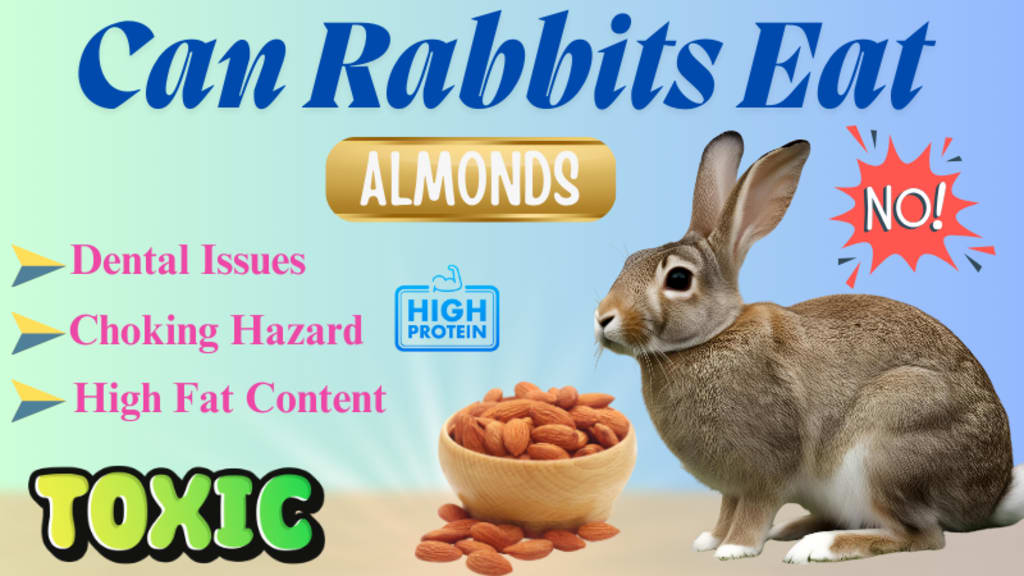
One common question rabbit owners ask is: “Do Rabbits Eat Almonds?”
The simple answer is no. Almonds are not rabbit-friendly. Rabbits have sensitive digestive systems that cannot properly handle high-fat or high-protein foods like almonds.
Although rabbits are fun, cute, and curious companions, it’s important to remember that feeding them the wrong foods—like almonds—can be harmful and even toxic to their health.
Are Almonds Safe for Rabbits?
While almonds are packed with nutrients and are beneficial for humans, they are not safe for rabbits. Foods that are healthy for us may cause health issues for rabbits. Almonds, in particular, can lead to digestive imbalances, choking hazards, and even toxic reactions due to compounds they contain.
This article explores why almonds should be avoided and offers healthier alternatives for your furry friend.
Why Are Almonds Bad for Rabbits?
High Fat and Protein Content
Rabbits require a high-fiber, low-fat diet to support their digestion. Almonds are rich in fat and protein, which can cause obesity, liver strain, and gastrointestinal distress in rabbits.
Lack of Suitable Nutrients
While almonds contain some fiber, the amount is not ideal for rabbits. Feeding almonds can disrupt their nutritional balance.
Risk of Cyanide Poisoning
Bitter almonds contain cyanogenic compounds that can be toxic to rabbits. Even sweet almonds, if consumed in excess, pose risks.
Choking Hazard
Almonds are hard and small. If swallowed whole, they can get lodged in a rabbit's throat, creating a dangerous, life-threatening situation.
Can Rabbits Eat Almonds Occasionally?
It’s best to avoid feeding almonds to rabbits altogether. If your rabbit accidentally eats one or two plain, unsalted, and unroasted almonds, they may not experience immediate harm. However, it should not become a habit.
If you must offer almonds, do so sparingly—no more than one or two per month—and closely observe your rabbit afterward for any signs of discomfort.
Signs of Almond Toxicity in Rabbits
Watch for these symptoms if your rabbit consumes almonds:
- Lethargy or weakness
- Loss of appetite
- Difficulty breathing
- Diarrhea or bloating
- Rapid heart rate
If you notice any of these symptoms, contact your veterinarian immediately.
What to Do If Your Rabbit Eats Almonds
If your rabbit accidentally eats a small piece of almond, don't panic. If they are otherwise healthy and on a balanced diet, it might not cause serious issues. Still, keep a close eye on their behavior and stool for the next 12 to 24 hours.
Seek veterinary advice if you notice any abnormal changes.
Safe Alternatives to Almonds
Instead of nuts, consider these rabbit-friendly treats:
Leafy greens: romaine lettuce, kale, cilantro
Vegetables: bell peppers, carrots (in moderation)
Fruits: apples (without seeds), strawberries (occasionally)
Hay: unlimited amounts of fresh hay should form the basis of your rabbit’s diet
Avoid foods high in sugar, salt, or artificial additives.
Frequently Asked Questions
Can rabbits safely consume almonds?
No. Almonds are high in fat and protein, making them unsuitable and potentially harmful.
What nuts are safe for rabbits?
Nuts like hazelnuts or pecans may be less toxic but should still only be given in very small amounts, if at all.
Can rabbits eat almond butter?
No. Almond butter is concentrated fat and not suitable for rabbits. It can cause digestive problems and weight gain.
Are almond seeds safe for rabbits?
No. Almond seeds can contain compounds that release cyanide and are unsafe for rabbits.
Is almond milk safe for rabbits?
No. Almond milk lacks nutrients beneficial to rabbits and may cause digestive upset.
Can rabbits eat raw almonds?
Raw almonds may contain cyanogenic compounds and are high in fat. They should be avoided.
Final Thoughts
Almonds as well as cheese are not a suitable treat for rabbits and can lead to digestive issues, choking hazards, and even toxicity. Always choose treats that align with your rabbit’s natural diet—high in fiber, low in fat and sugar.
If your rabbit ever consumes something unsafe, stay calm, monitor them closely, and consult a veterinarian as needed.
About the Creator
Rabbits Advisor
At Rabbits Advisor, we are more passionate about all stuffs bunnies. Whether you’re a seasoned bunnies owner, considering adopting a fluffy friend, or just curious about these adorable creatures, you’ve come to the right place.
Keep reading
More stories from Rabbits Advisor and writers in Petlife and other communities.
Understand The Signs Of Rabbit Dying?
As rabbits age, responsible pet owners often find themselves becoming more observant and emotionally attached. All animals, including rabbits, have a natural lifespan. As they reach their senior years, noticeable changes in their body and behavior can occur. This article will help you understand the signs your rabbit may be dying, allowing you to prepare, provide comfort, and ensure your bunny receives the best care during this stage of life.
By Rabbits Advisor10 months ago in Petlife
Are Lick Mats Actually Good For Dogs, Cats, and Small Pets?
If you have been to pet shops or online pet groups lately, you have likely seen the pet lick mat. These bright, bumpy rubber mats are a huge hit, and for good reason. Pet owners find that their dogs, cats, and small pets love them.
By Alice Adams6 days ago in Petlife
Wisteria Woo RIP
Wisteria Woo Silver~Rhodesian Ridgeback Cane Corso mix~ 7.19.15-3.2.26 My service dog, Wisteria, had been slowing down, having mysterious health symptoms like severe hives and unexplained injury. She went to the vet last month, but unfortunately, not all tests detect all problems. When we returned to the vet yesterday, upon much more concerning symptoms suddenly appearing, we learned she had a very large mass (10inx10in) likely the very aggressive hemangiosarcoma, and that we would only be buying a few months if we went through with treatment.
By K.B. Silver about 6 hours ago in Petlife
Who is your "Person"?
It's important to recognize that you cannot go through life as easily on your own. My name is Elizabeth and I'm a survivor of child abuse and horrific trauma. Healing from trauma is not a quick fix and recognizing that it will take time, is part of the struggle.
By Elizabeth Woods2 days ago in Psyche




Comments
There are no comments for this story
Be the first to respond and start the conversation.