
Understand The Signs Of Rabbit Dying?
Know the Rabbit Dying Reasons & Truth

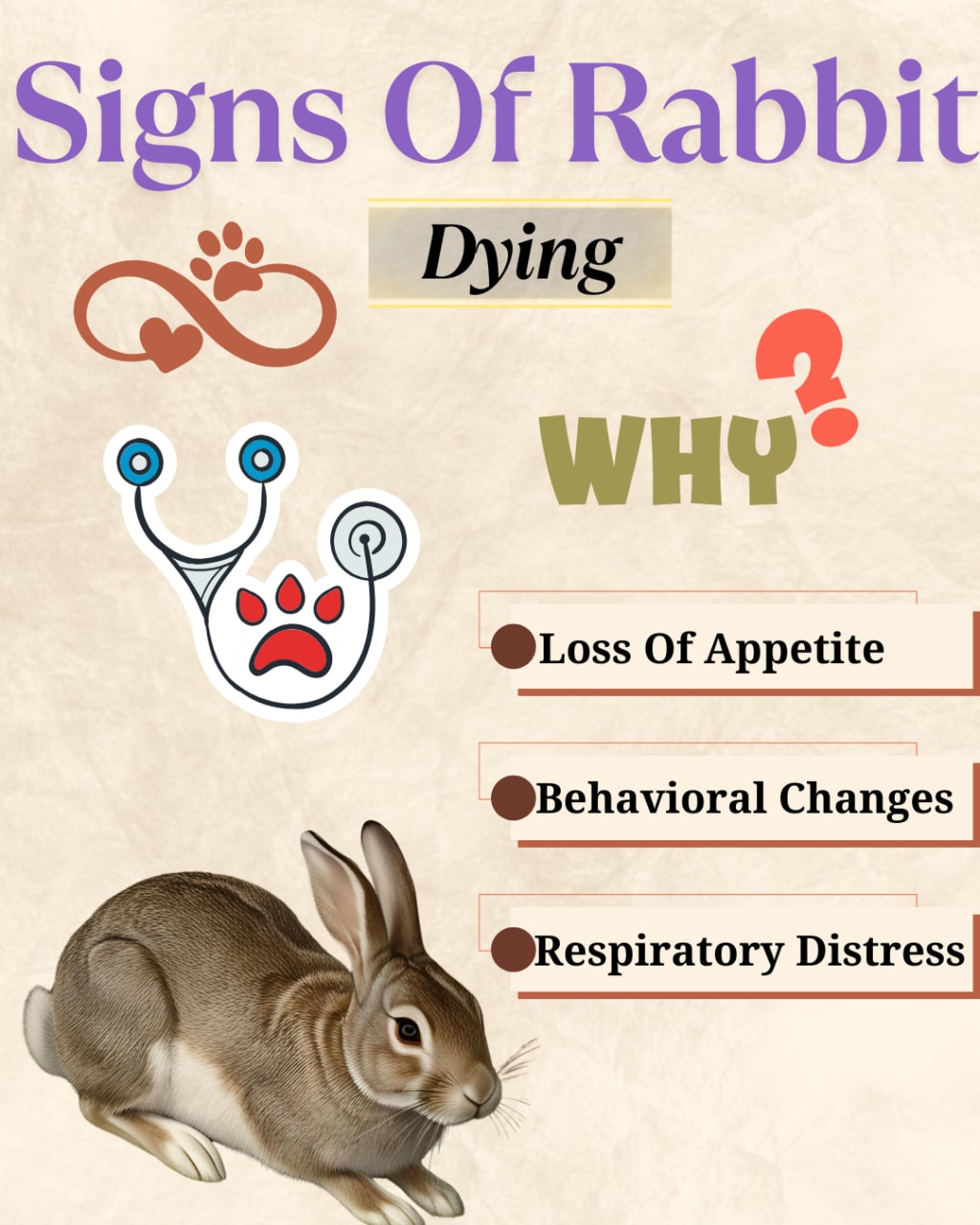
As rabbits age, responsible pet owners often find themselves becoming more observant and emotionally attached. All animals, including rabbits, have a natural lifespan. As they reach their senior years, noticeable changes in their body and behavior can occur. This article will help you understand the signs your rabbit may be dying, allowing you to prepare, provide comfort, and ensure your bunny receives the best care during this stage of life.
Common Causes of Rabbit Deaths
The death of a rabbit can result from various factors such as age, health status, and living conditions. Many causes are preventable with proper care and attention. Here are some of the most frequent reasons which might make you understand the signs of rabbit dying :
Gastrointestinal Stasis (GI Stasis): This condition occurs when the rabbit's digestive system slows down or stops entirely. Often caused by a poor diet, stress, or underlying health issues, GI stasis can be fatal if not treated promptly.
Dental Issues: Rabbits’ teeth grow continuously. If they don’t chew enough or suffer from malocclusion, it can lead to pain, eating difficulties, and even death.
Respiratory Infections: Drafty environments and poor living conditions can lead to respiratory infections, which are dangerous for rabbits.
Heat Stroke: Rabbits are sensitive to high temperatures. Lack of ventilation and exposure to heat can be deadly.
Parasitic Infections: Infestations by mites, fleas, or worms can become fatal if untreated.
Viral Diseases: Illnesses like Myxomatosis and Rabbit Hemorrhagic Disease (RHDV) are highly contagious and often fatal.
Accidents: Falls, improper handling, or attacks from predators can result in sudden death.
Enteritis: An inflammation of the intestines caused by dietary changes, stress, or bacteria. Severe cases can be life-threatening.
Cancer: Rabbits can develop tumors and other age-related diseases, just like other animals.
Old Age: With age, rabbits become more prone to illness, weakness, and eventually natural death.
To support your rabbit's longevity and well-being, provide a balanced diet and a clean, safe environment.
Major Signs Your Rabbit May Be Dying
These signs may not always mean immediate death, but if several are present, consult a veterinarian as soon as possible.
1. Behavioral Changes
Rabbits may become less affectionate, more withdrawn, or even aggressive due to pain or discomfort. These changes are often the first indicators that something may be wrong.
2. Loss of Appetite or Refusal to Drink
If your rabbit hasn't eaten or drunk water in 12 hours or more, it could indicate severe internal issues. Immediate veterinary care is necessary.
3. Inability to Groom
Older rabbits may stop grooming due to arthritis, obesity, or weakness. This can lead to infections, especially if accompanied by incontinence or diarrhea.
4. Reduced or No Movement
A dying rabbit often stops moving. This could appear suddenly and is frequently accompanied by loss of balance or seizures.
5. Loss of Balance
If your rabbit stumbles or falls while trying to move, especially in old age, this could be a serious warning sign.
6. Paralysis
Weak muscles or spinal issues can cause paralysis in elderly rabbits. This typically follows a period of erratic movement.
7. Incontinence or Missing the Litter Box
Inability to use the litter box may be related to kidney, bladder, or mobility issues and should be evaluated by a vet.
8. Difficulty Breathing
Labored or irregular breathing could be due to respiratory infections, toxins, or other severe health issues. Seek veterinary help immediately.
9. Drop in Body Temperature
A rabbit's normal body temperature ranges between 101°F and 103°F. A drop below 100°F may indicate hypothermia or severe illness.
10. Digestive Problems
Diarrhea, lack of feces, or jelly-like poop are all symptoms of digestive issues. These problems can be fatal if left untreated.
11. Blood in Urine
It's important to distinguish red urine (which can be harmless) from actual blood. Blood-streaked urine, especially in intact females, could be a sign of serious conditions like uterine cancer or infections.
12. Vocalizing
Rabbits are generally quiet, so grunting, squealing, or screaming is often a sign of extreme pain or fear and could indicate a medical emergency.
Signs of Natural Death from Old Age
If your rabbit is dying from old age, you may notice:
- Loss of appetite
- Lethargy and increased sleep
- Weight loss
- Dull or patchy fur
- Joint stiffness and limited mobility
- Breathing difficulties
- Incontinence and isolation
As your rabbit nears the end of life, ensure they are warm, safe, and comfortable. Gentle care can provide peace during their final days.
Can You Save a Dying Rabbit?
Acting quickly can sometimes save your rabbit. Monitor their eating, drinking, and fecal output closely. If your rabbit stops eating, a vet visit is critical. You may attempt to syringe-feed water or soft food—only if they are conscious and able to swallow.
A vet may provide heat therapy, fluids, pain relief, or medication to restore gut function, depending on the diagnosis.
Can Rabbits Die Without Warning?
Yes, rabbits can sometimes die suddenly with no apparent symptoms. Possible causes include:
- Heart Attack from Fear or Stress
- RHDV or Other Viral Diseases
- Poison Ingestion
- Undetected GI Stasis
Many of these issues present subtle symptoms or none at all, making them hard to catch without regular monitoring.
Frequently Asked Questions
Q: How Do You Know if a Rabbit Is Aging?
A: Signs include reduced energy, thinning or greying fur, stiffness, weight loss, and more sleep or inactivity.
Q: Is Euthanasia a Humane Option?
A: If your rabbit is suffering and recovery is unlikely, a vet may recommend euthanasia as the most compassionate choice.
Q: How Do You Know If Your Rabbit Is Dying?
A: Refusal to eat or move, sudden changes in behavior, and labored breathing are common indicators.
Q: Do Rabbits Die Stretched Out?
A: Yes, many rabbits pass peacefully in a stretched, relaxed posture, resembling deep sleep.
Final Thoughts
Noticing early signs and acting quickly can help extend your rabbit’s life or ensure a peaceful passing. If your rabbit shows any unusual behaviors, contact a vet promptly. Even Sore Hocks and Urine Scald In Rabbits can also make rabbit die due to extreme harsh infections in their body. Trust your instincts—your attentiveness can make all the difference.
About the Creator
Rabbits Advisor
At Rabbits Advisor, we are more passionate about all stuffs bunnies. Whether you’re a seasoned bunnies owner, considering adopting a fluffy friend, or just curious about these adorable creatures, you’ve come to the right place.
Keep reading
More stories from Rabbits Advisor and writers in Petlife and other communities.
Off the Leash: The Essential Gear Guide for Adventurous Dogs
There’s something wildly freeing about unclipping the leash and letting your dog move the way they were built to. If you’re hiking in areas that truly allow off-lead exploration, your gear list shifts. No harness. No leash dragging through dust. Instead, it’s about smart, lightweight essentials that keep your dog safe, hydrated, and easy to manage when adventure gets messy. Long walks off lead are less about control and more about preparation.
By Shabbir Ahmad4 days ago in Petlife



Comments
There are no comments for this story
Be the first to respond and start the conversation.