
Dental Treatment for Pets: The Ultimate Guide to Pet Oral Health
Read this blog to know - Dental Treatment for Pets: The Ultimate Guide to Pet Oral Health

Did you know that by the age of three, most pets show signs of dental disease? Scary, right? But don’t worry—this guide is here to help you protect those furry fangs!
Why Oral Health Matters for Pets
Oral health isn’t just about a pretty smile. Poor dental hygiene in pets can lead to painful infections, tooth loss, and even organ damage. The bacteria in untreated dental issues can travel to the heart, liver, and kidneys. Yikes! Check out the best dental treatments for pets!
Common Dental Issues in Dogs and Cats
Some of the most common problems include:
Periodontal disease
Gingivitis
Tooth decay
Oral tumors
Broken or loose teeth
These issues often sneak up on pet parents because pets are pros at hiding pain.
Understanding the Signs of Dental Problems
Behavioral Clues
Is your dog suddenly refusing to chew his favorite bone? Or is your cat pawing at her face? These could be red flags. Other behaviors to look out for:
Reluctance to eat
Drooling excessively
Aggression when touching the mouth
Physical Symptoms
Open your pet’s mouth (if they let you!) and check for:
Red or bleeding gums
Yellow or brown tartar buildup
Foul-smelling breath
Loose or missing teeth
The Anatomy of Your Pet’s Mouth
Teeth Types in Dogs vs. Cats
Dogs have 42 teeth; cats have 30. Dogs need strong molars for crunching, while cats are obligate carnivores with sharp premolars for tearing meat.
Role of Saliva and Gums in Oral Health
Saliva helps wash away food particles. Healthy pink gums are your pet’s first defense against bacterial invasion. Swollen or receding gums? Time for a vet visit.
Professional Dental Treatments
What to Expect During a Veterinary Dental Cleaning
A vet dental cleaning isn’t like a quick home brush. It includes:
Full oral exam
Scaling to remove tartar
Polishing to smooth the enamel
Fluoride treatment
And yes, it’s done under anesthesia for safety and effectiveness.
Anesthesia and Safety Concerns
Worried about anesthesia? Modern vet practices monitor heart rate, oxygen, and blood pressure throughout the procedure. It’s generally safe—even for seniors—with proper screening.
Tooth Extraction and Other Advanced Procedures
Sometimes, extractions are necessary to prevent pain or infection. Your vet may also recommend:
Root planing
Oral surgery for tumors
Dental X-rays to see below the gumline
At-Home Dental Care for Pets
Brushing Your Pet’s Teeth
It sounds impossible, but it’s not! Use pet-specific toothpaste (never human kinds—it’s toxic!). Start slow and make it a daily habit.
Dental Chews and Treats
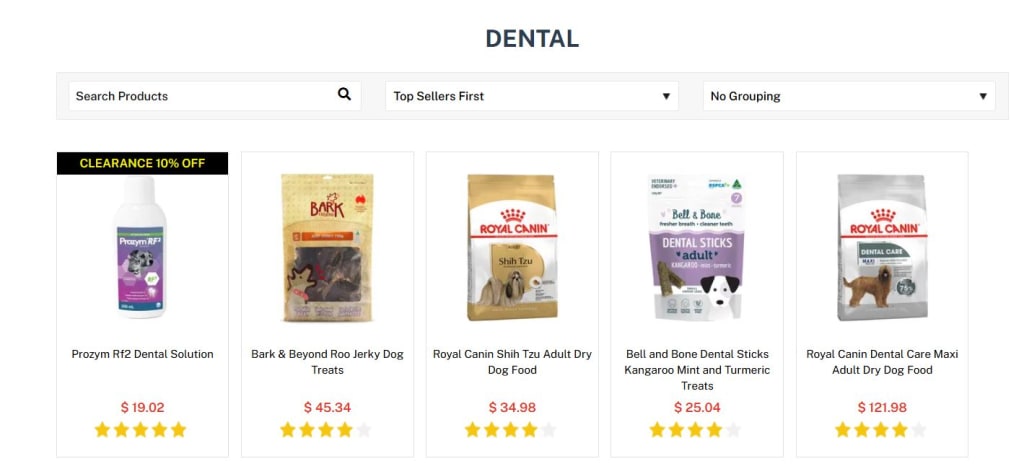
Look for products approved by the VOHC (Veterinary Oral Health Council). They’re great for busy pet parents.
Water Additives and Oral Sprays
Think of these as mouthwash for pets. Just add to their water bowl or spritz in their mouth for a quick bacteria-fighting boost.
Choosing the Right Dental Products
Toothbrushes and Toothpaste for Pets
Get a finger brush or soft-bristle toothbrush made for pets. Flavors like chicken or peanut butter make brushing more tolerable (and tasty!).
Recommended Dental Diets
Some pet foods are designed to reduce plaque mechanically. Talk to your vet about brands like Hill’s Prescription Diet t/d or Royal Canin Dental.
Frequency of Dental Checkups
When to Start
The earlier, the better. Ideally, begin dental care when your pet is still a puppy or kitten.
How Often is Too Often?
For most pets, an annual dental checkup is sufficient. Pets with dental problems may need checkups every 6 months.
Preventing Dental Diseases
Plaque vs. Tartar: What’s the Difference?
Plaque is soft and can be removed by brushing. Leave it too long, and it hardens into tartar—which requires professional removal.
Importance of Early Intervention
Dental disease doesn’t fix itself. Early treatment prevents expensive procedures and long-term health risks.
Dental Care by Pet Age
Puppies and Kittens
Start brushing habits young. Their baby teeth fall out by six months, but early training makes life easier later.
Adult Pets
Stick to a consistent brushing and chew routine. Watch for signs of gum inflammation or tartar buildup.
Senior Pets
They’re more prone to gum disease and tooth loss. Schedule more frequent dental checkups to catch issues early.
Breed-Specific Dental Concerns
Small Dog Breeds
Breeds like Chihuahuas and Yorkies are prone to overcrowded teeth and plaque buildup. They often need dental cleanings more frequently.
Flat-Faced Cats
Persian and Exotic Shorthairs may suffer from malocclusions (misaligned teeth). Regular exams are crucial.
Importance of a Routine
Daily, Weekly, Monthly Maintenance
Daily: Brush or give dental treat
Weekly: Check for signs of issues
Monthly: Inspect gums and breath
Keeping Track with a Pet Dental Journal
Keep notes of cleanings, symptoms, and product usage. It'll help spot patterns and track improvements.
Conclusion
Dental health is more than just fresh breath—it's vital to your pet’s overall well-being. With a little daily effort, the right tools, and regular vet care, you can help your furry friend live a longer, happier life with a sparkling smile to match!
FAQs
1. How do I know if my pet needs dental treatment?
Look for signs like bad breath, bleeding gums, or reluctance to eat. Regular vet visits are key to catching hidden issues.
2. Is anesthesia really necessary for pet dental cleanings?
Yes. It allows for a thorough cleaning beneath the gumline and keeps your pet calm and still during the procedure.
3. What’s the best toothpaste for pets?
Choose enzymatic toothpaste made for pets. Never use human toothpaste—it can be toxic!
4. Can dental problems affect my pet’s overall health?
Absolutely. Bacteria from dental infections can affect the heart, kidneys, and liver.
5. How can I make tooth brushing easier for my pet?
Start slow, be gentle, and use tasty toothpaste. Make it a bonding moment, not a chore!
About the Creator
Thomas Muller
VetSupply is a leading online pet store in Australia with a comprehensive range of products that cater to all your pet care needs.
Keep reading
More stories from Thomas Muller and writers in Petlife and other communities.
How to use Dog Training & Behaviour Equipments?
As dog parents, we all dream of a well-behaved companion – a dog that walks nicely on a leash, comes when called, and greets visitors politely. While patience, consistency, and positive reinforcement are the cornerstones of effective training, the right equipment can be invaluable tools to help you achieve your goals.
By Thomas Muller7 months ago in Petlife
A Dart at Dusk
Seconds ago, the sullen sun set on the two of us… my exuberant furry companion and me. A fresh breeze embraces us, delivering welcome relief from the day’s oppressive heat. His typical stumbling and staggering along — apace with a sloth — has turned into trip-trapping, high-stepping, almost skipping along.
By Angie the Archivist 📚🪶6 days ago in Petlife
Real camouflage for people and machines is getting closer thanks to materials inspired by octopuses.
Engineers now have a closer resemblance to octopus skin thanks to a new colour-changing material that can change both its colour and surface roughness in less than 10 seconds. The soft photonic skin was created by Stanford University researchers using patterns on its surface that are tiny than a human hair.
By Francis Dami7 days ago in Petlife
Wild Card Weekend Recap: What Happens Now?
I think I figured out why I love Wild Card Weekend so much. It's because it's the first playoff anything of the calendar year. The NFL season starts in the fall, and once upon a time, the champion was crowned either on or slightly before New Year's. The evolution of the NFL schedule has resulted in the playoffs starting just into the New Year, and currently, the final week of the season falls on the first weekend of the New Year, with Wild Card Weekend coming a week after that. So yes, chronologically, the NFL's Wild Card Weekend serves as the first playoff anything of the calendar year.
By Clyde E. Dawkins7 days ago in Unbalanced



Comments
There are no comments for this story
Be the first to respond and start the conversation.