
Common Mistakes Dog Owners Make When Choosing a Leash And How to Fix Them
Improve Your Dog’s Behavior and Safety by Avoiding These Overlooked Leash Errors
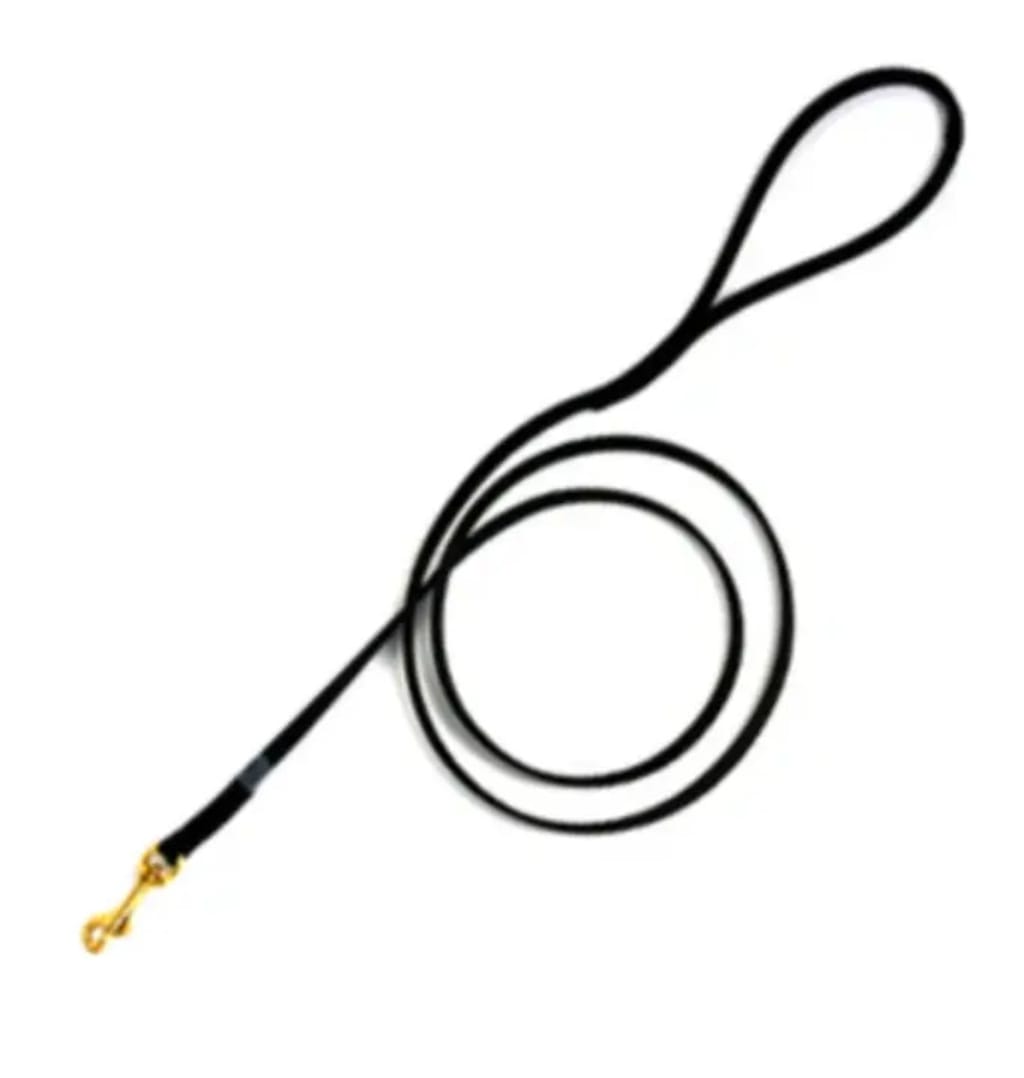
Choosing a dog leash might seem like a simple task. After all, it’s just a piece of equipment to keep your dog close during walks, right? But the truth is, the type of leash you use can have a huge impact on your dog’s safety, comfort, and even training success. Unfortunately, many dog owners make avoidable mistakes when selecting a leash, which can lead to frustration, poor control, and even safety risks.
If you’re struggling with leash pulling, your dog slipping out, or just not enjoying walks as much as you’d like, the issue might start with the leash itself. In this article, we’ll walk through some of the most common mistakes owners make when choosing a leash, why these mistakes matter, and how to fix them with practical, technical advice that can improve every walk you take.
1: Choosing the Wrong Leash Material for Your Dog’s Needs
Not all leash materials are created equal. The material affects durability, grip, weight, and even how much control you have during a walk.
Why it matters: For example, nylon leashes are lightweight and weather-resistant, but lower-quality nylon can fray easily, especially if your dog is a strong puller or a chewer. On the other hand, leather leashes are more durable and tend to soften over time, offering a comfortable grip, but they require regular maintenance to prevent cracking or drying out.
How to fix it: Assess your dog’s behavior. If your dog tends to chew on their leash, consider a chain leash or a high-quality leather leash. If you want something lightweight for everyday walks, a tightly woven nylon leash with reinforced stitching may be your best bet. Also, consider the leash’s grip some nylon leashes can cause friction burns on your hands if your dog pulls hard.
2: Picking the Wrong Leash Length
Leash length is more than a convenience factor.It’s a key safety and training consideration.
Why it matters: A leash that’s too long can make it difficult to control your dog quickly in busy or dangerous situations. Conversely, a very short leash can make your dog feel restricted and anxious, which often leads to pulling or restlessness.
How to fix it: For everyday walking and training, a leash length between 4 and 6 feet is ideal. This length gives your dog enough freedom to explore without sacrificing your control. Longer leashes (10 feet or more) are useful in safe, open areas for recall training but should be used with caution in public spaces.
3: Overlooking the Importance of Hardware Quality
The hardware, specifically the clip that attaches the leash to your dog’s collar or harness is often underestimated.
Why it matters: Cheap metal clips can rust, break, or accidentally unclip during a walk, which poses a serious safety hazard. A failure in hardware can mean your dog gets loose or runs into dangerous situations.
How to fix it: Look for leashes with heavy-duty clips made of stainless steel, brass, or other rust-resistant metals. Clips with a locking mechanism provide an extra layer of security, ensuring your dog stays safely tethered.
4: Using Retractable Leashes for Training
Retractable leashes might seem convenient.They let your dog roam farther but they are usually not a good choice for training.
Why it matters: Retractable leashes can encourage pulling because they teach your dog to “test” how far they can go. They also reduce your ability to quickly correct your dog or reinforce commands, which is critical during training.
How to fix it: Use a standard fixed-length leash during training sessions. A 4-6 foot leash keeps your dog close enough for effective communication and immediate corrections, which builds better behavior over time.
5: Not Matching the Leash to Your Dog’s Size and Strength
Many owners make the mistake of buying a one-size-fits-all leash, but dogs come in all sizes and strengths.
Why it matters: A thin leash meant for small breeds won’t hold up to a strong puller like a Labrador or German Shepherd. Using the wrong size leash can result in breakage or loss of control, risking injury or escape.
How to fix it: Choose a leash width and material appropriate for your dog’s weight and behavior. For small to medium dogs, a ¾ inch wide leash is often enough. Larger or more powerful dogs need wider (1 inch or more), reinforced leashes made from durable materials like leather or thick nylon.
6: Ignoring Leash Features That Aid Training and Control
Basic leashes can do the job, but specialized features can make a big difference when it comes to training and daily control.
Why it matters: Features like double handles, adjustable lengths, or padded grips give you more options to keep your dog close in high-distraction environments or give them freedom when appropriate.
How to fix it: Consider leashes with an extra handle close to the collar for quick control in busy situations, or adjustable sections that let you switch between training mode and casual walking. These features offer flexibility and help maintain effective communication during training.
Why Fixing These Mistakes Matters
Choosing the right leash is not just about convenience. It directly impacts your dog’s safety, your ability to communicate and train effectively, and the quality of your shared outdoor time. A leash that fits your dog’s size, behavior, and training level makes walks safer and more enjoyable for both of you.
“Choosing the right leash is foundational to a successful relationship with your dog,” says Elliot Rosenberg, Founder of Optimal K9 Wellness. “It’s not just about control,it’s about safety, communication, and building trust during every walk.”
Ready to Choose the Right Leash for Your Dog’s Training Success?
If you want expert guidance on selecting the perfect leash one that balances durability, control, and comfort.Check it out here:Best Dog Leash for Training
Leash Smarter, Walk Better
Every dog is unique, and their leash should be too. Avoiding these common mistakes when choosing a leash can transform your walks from frustrating to fun and make training more effective. By paying attention to materials, hardware, length, and features, you’re investing in your dog’s safety and your peace of mind.
Don’t settle for a leash that just “works.” Choose one that truly fits your dog’s needs and helps you both enjoy every step together.
About the Creator
Brianna Colla
Brianna Colla is a versatile writer with a passion for storytelling across topics like lifestyle, wellness, home improvement,education, and community. She blends clarity and creativity to craft content that informs, inspires, and connects.
Keep reading
More stories from Brianna Colla and writers in Petlife and other communities.
Is Spinal Stenosis a Permanent Disability?
Spinal stenosis is a complex, progressive condition that raises an important and often misunderstood question: does it constitute a permanent disability? The answer is not a simple yes or no. From a clinical, functional, and medico-legal perspective, spinal stenosis exists on a spectrum, and its long-term impact depends on anatomical, neurological, and biomechanical factors unique to each individual.
By Brianna Colla3 months ago in Lifehack
Velveteen Lop Rabbit Lifespan Size Color Diet and Interesting Facts
As we know when people assume Velveteen Lop Rabbit many time the sweet story of the Velveteen Rabbit comes to mind. The name of this breed is not taking from any rabbit, but the book The Velveteen Rabbit have a very cute, sociable, and friendly nature.
By Rabbits Advisor5 days ago in Petlife
Helping Your Elderly Cat Who's Going Blind
When Your Cat Loses Its Sight It can be heartbreaking to watch your beloved kitty go blind. When my cat started to go blind, it was really hard to watch her bump into walls, not to mention the constant loud meowing, which made her sound like she was in excruciating pain. She wasn't. However, she was very confused and scared.
By Janis Masyk-Jackson7 days ago in Petlife
A Transparent Look at Vocal Challenges and Top Stories
Almost three years ago, we shared a resource article that served as a place for people to suggest new challenge prompts. We thought it would be a good idea to refresh that thread, and take the opportunity to answer a few common questions about top stories, how challenges are judged and how submissions are reviewed.
By Vocal Curation Team4 days ago in Resources



Comments
There are no comments for this story
Be the first to respond and start the conversation.