
Is Spinal Stenosis a Permanent Disability?
Differentiating Anatomical Permanence from Functional Disability
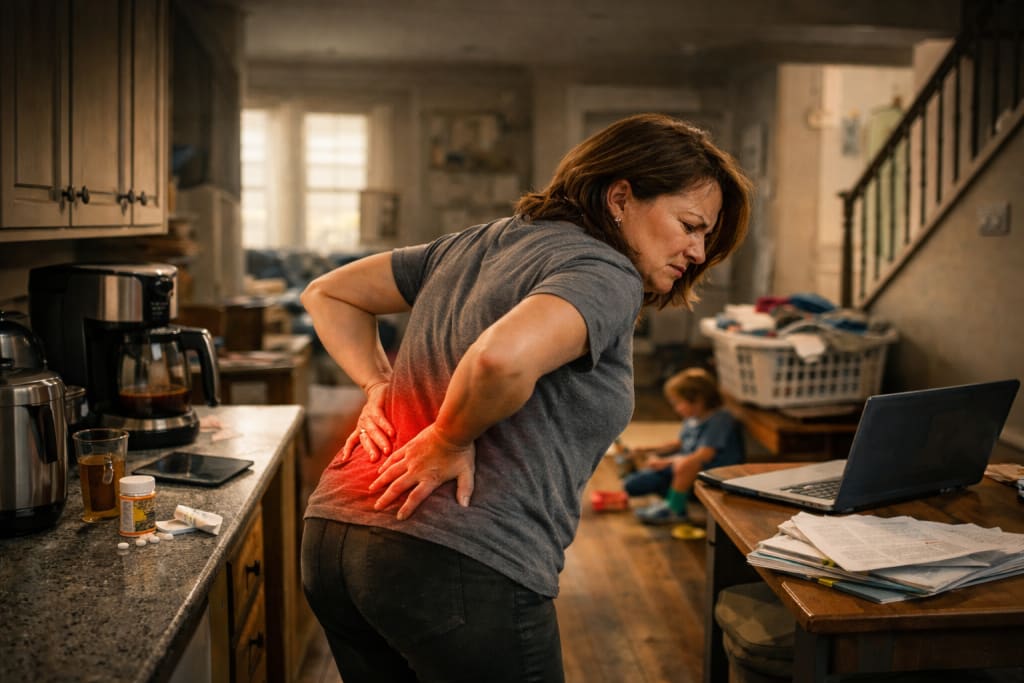
Spinal stenosis is a complex, progressive condition that raises an important and often misunderstood question: does it constitute a permanent disability? The answer is not a simple yes or no. From a clinical, functional, and medico-legal perspective, spinal stenosis exists on a spectrum, and its long-term impact depends on anatomical, neurological, and biomechanical factors unique to each individual.
Understanding Spinal Stenosis at a Structural Level
Spinal stenosis refers to a pathological narrowing of the spinal canal, lateral recesses, or intervertebral foramina, resulting in mechanical compression of neural elements. In the lumbar spine, this commonly affects the cauda equina or exiting nerve roots, whereas cervical stenosis may compromise the spinal cord itself, carrying more serious neurological implications.
The narrowing may be congenital, degenerative, or iatrogenic. In Surbiton’s ageing population, degenerative spinal stenosis predominates, driven by facet joint hypertrophy, ligamentum flavum thickening, disc height loss, osteophyte formation, and segmental instability. These changes alter load distribution across the spinal motion segment, reducing neural tolerance to everyday postural and functional demands.
Disability Versus Diagnosis
From a medical standpoint, spinal stenosis is a diagnosis, not a disability. Disability is defined by functional limitation, the degree to which symptoms impair mobility, self-care, work capacity, and quality of life. Two individuals with identical MRI findings can have vastly different levels of disability.
In the UK, disability classification is functional rather than purely radiological. Many patients with moderate to severe stenosis remain mobile and independent, particularly if symptoms are intermittent and posture-dependent. Conversely, others may experience neurogenic claudication, progressive weakness, sensory loss, or bladder dysfunction that significantly restricts daily activities.
When Spinal Stenosis May Become Permanent
Spinal stenosis can be considered permanently disabling under certain conditions:
Advanced Neurological Compromise
Chronic nerve root or spinal cord compression may lead to irreversible axonal damage. Prolonged symptoms such as persistent motor weakness, altered reflexes, gait disturbance, or myelopathic signs indicate reduced neurological recovery potential.
Failure of Conservative and Interventional Care
When symptom burden persists despite structured rehabilitation, manual therapy, pharmacological management, and image-guided injections, functional recovery may plateau.
Co-morbid Degenerative Pathology
Patients with concurrent spondylolisthesis, scoliosis, osteoporosis, or inflammatory arthropathy may experience accelerated functional decline due to compounded biomechanical stress.
Age-Related Reduced Plasticity
Neuroplasticity and musculoskeletal adaptability decline with age, making symptom reversal less predictable in older adults.
In such scenarios, spinal stenosis may meet criteria for long-term disability, particularly if occupational duties involve prolonged standing, walking, lifting, or postural loading.
The Role of Imaging and Clinical Correlation
MRI remains the gold standard for diagnosing spinal stenosis, yet imaging severity alone does not dictate prognosis. Functional outcome is more accurately predicted through clinical correlation: symptom behaviour, neurological examination, walking tolerance, and response to positional unloading.
For example, classic lumbar stenosis symptoms improve with spinal flexion and worsen with extension, a biomechanical hallmark that guides both diagnosis and management. In cervical stenosis, signs of cord involvement such as hyperreflexia or hand dexterity loss raise concern for permanent impairment if untreated.
Management and Functional Preservation
While spinal stenosis is often degenerative and non-reversible anatomically, functional disability is frequently modifiable. Early, technically appropriate intervention aims to optimise spinal mechanics, reduce neural irritation, and preserve mobility.
A trusted chiropractor in Surbiton with advanced clinical reasoning can play a role in multidisciplinary care, focusing on segmental motion optimisation, load management, and neuromuscular control rather than symptom suppression alone.
Surgical decompression may be indicated in cases of progressive neurological deficit or intractable pain, but surgery addresses space, not degeneration. Post-operative outcomes still depend heavily on rehabilitation quality and pre-operative neurological status.
Legal and Occupational Considerations in the UK
From a UK employment and benefits perspective, spinal stenosis may qualify as a disability under the Equality Act 2010 if it has a substantial and long-term adverse effect on normal day-to-day activities. This classification is functional, not diagnostic, and requires evidence of lasting impairment despite reasonable adjustments.
Occupational health assessments often focus on walking tolerance, sitting endurance, postural variability, and flare-up frequency rather than imaging findings alone.
Prognosis
For many Surbiton residents, spinal stenosis does not equate to permanent disability. With early identification, biomechanically informed care, and realistic load management, long-term independence is achievable. However, delayed diagnosis, unmanaged progression, or neurological compromise increases the risk of lasting functional limitation.
The critical takeaway is this: spinal stenosis is anatomically permanent but functionally variable. Disability is not inevitable, but neither should the condition be underestimated.
A precise diagnosis, technically appropriate management, and ongoing functional monitoring are essential to determining whether spinal stenosis becomes a permanent disability or remains a manageable chronic condition.
About the Creator
Brianna Colla
Brianna Colla is a versatile writer with a passion for storytelling across topics like lifestyle, wellness, home improvement,education, and community. She blends clarity and creativity to craft content that informs, inspires, and connects.
Keep reading
More stories from Brianna Colla and writers in Lifehack and other communities.
Why Some Cheeses Melt Better
When you bite into a burger, the patty might be the foundation, but the cheese is often what makes it memorable. That oozy, melty layer doesn’t just look appealing — it affects texture, flavor, and even how satisfying each bite feels. Ever wondered why a slice of American cheese melts into silky perfection while an aged cheddar sometimes turns oily and grainy? The answer lies in food science. And if you’re chasing the best burger, understanding how cheese melts will help you make the smartest choice every time you fire up the grill.
By Brianna Colla5 months ago in Lifehack
10 Simple Habits for Strong Teeth and Healthy Gums
Maintaining good oral health is essential not only for a bright smile but also for overall well-being. Your mouth is the gateway to your body, and poor oral hygiene can lead to various health problems such as gum disease, tooth decay, and even infections that may affect other parts of the body. Fortunately, taking care of your teeth and gums does not require complicated routines. With a few simple daily habits, you can keep your mouth healthy for years.
By Nenci Gajera 2 days ago in Lifehack
The Basics of Successful Property Renovation Projects.
Property renovation is a cornerstone of real estate development, especially in markets with distressed or foreclosed homes. In cities across the country—from rapidly growing metros to legacy industrial hubs—renovation plays a vital role in revitalizing housing stock and meeting buyer demand. Successful renovation projects require careful planning, disciplined execution, and proactive management to maximize value and ensure the property meets modern buyer expectations. When approached strategically, renovation transforms underutilized properties into desirable homes while strengthening communities and generating strong financial returns.
By JB Hoover, Newport Beach4 days ago in Lifehack



Comments
There are no comments for this story
Be the first to respond and start the conversation.