
Choosing the Best Oil for Dogs Based on Breed and Need
Just like human beings, dogs can greatly benefit from the appropriate oils in their diet.
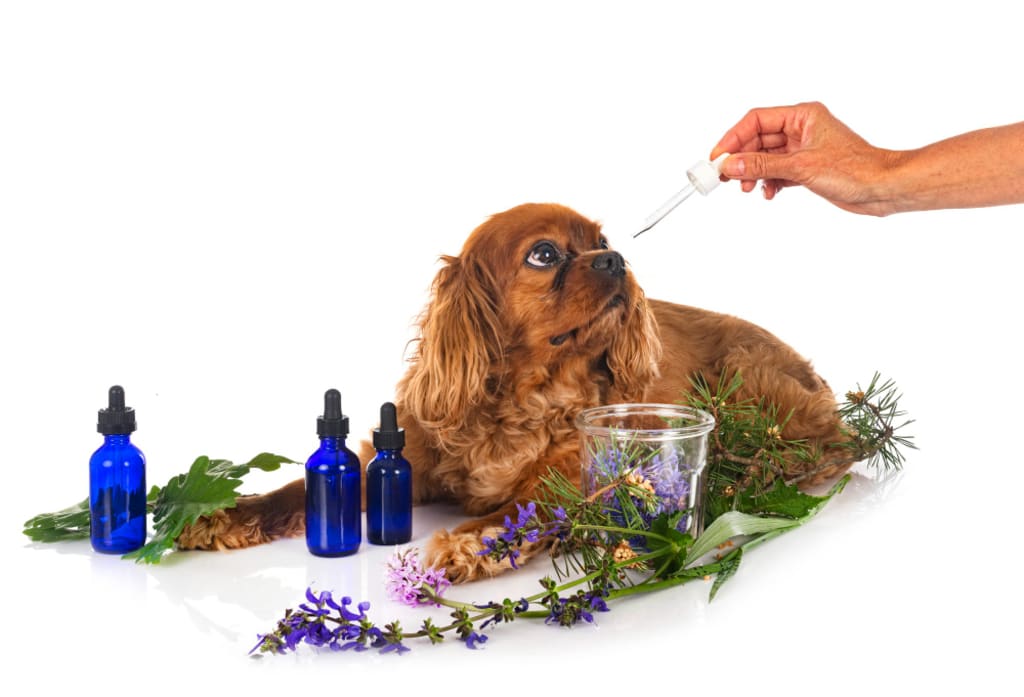
Just like human beings, dogs can greatly benefit from the appropriate oils in their diet. Whether you want to enhance your pet's coat health, maintain joint function, or just generally enhance their well-being, supplementing with the best oil for dogs will have a magical effect. But not every oil is equal—and not every dog has the same requirements. Breed, size, age, and health issues all come into play when deciding what is best.
Let's go deep into selecting the optimal oil for dogs, made specifically to address their special requirements.
Shiny Coats and Wagging Tails: Why the Best Oil for Dogs Matters
Before selecting the best oil for dogs, one should know why these oils are significant in the first place. Oils are a good source of healthy fats such as omega-3 and omega-6 fatty acids. These fats are responsible for decreasing inflammation, enhancing skin and coat health, enhancing brain function, and even immune health.
Dogs are unable to synthesize essential fatty acids naturally, which makes dietary supplements a must. Oils allow them to deliver these nutrients in an easily administered, bioavailable form—especially beneficial for finicky eaters or food-sensitive dogs.
One Size Doesn't Fit All: Finding the Best Oil for Dogs by Breed
Small Breeds: Little Bodies, Big Needs
Small breeds such as Chihuahuas, Pomeranians, and Shih Tzus are usually susceptible to dryness and skin irritations. To have their coats looking shiny and flake-free, use fish oil, which is rich in Omega-3s.
Why Fish Oil?
Wild-caught salmon, sardines, and anchovies offer fish oil, which reduces itching and inflammation. It's also great for retaining cognitive function, which is good news since these breeds tend to age quickly.
Large Breeds: Big Dogs, Bigger Benefits
Labradors, Golden Retrievers, and German Shepherds are usually in greater need of joint support because of their size and predisposition to arthritis. In these breeds, add flaxseed oil or krill oil to their food.
Why Krill Oil?
Krill oil has both the Omega-3s and antioxidants such as astaxanthin, which battle oxidative stress. It is simpler to absorb than fish oil and is thus a high-end selection for large breeds that require that extra joint maintenance.
Beyond the Breed: Selecting the Top Oil for Dogs According to Particular Needs
For Healthy Skin and Coat: Coconut Oil Stands Out
Coconut oil is a top choice for dogs with dull or dry, scratchy coats. It's anti-fungal and antimicrobial, fighting off skin infections while nourishing from the inside out.
Pro Tip: Apply a small amount of coconut oil directly onto your dog’s skin or mix it with their food. Not only will their coat start to shine, but you’ll notice a happier pup overall.
For Joint Health: The Healing Touch of Hemp Oil
Hemp oil is a star in the making among pets. It has an ideal 3:1 Omega-6 to Omega-3 fatty acid ratio and provides anti-inflammatory benefits that make it the best for arthritic or mobility-impaired dogs.
Did You Know? Hemp oil is also a natural mood stabilizer, so it's ideal for hyperactive or anxious dogs as well.
For Digestive Health: Flaxseed Oil Gets Things Moving
Flaxseed oil is beneficial for a healthy digestive tract and is particularly useful for dogs with sensitive stomachs or bowel irregularities. It's a vegetable source of Omega-3s, which is an excellent vegetarian alternative.
Just a Drop: Flaxseed oil needs to be stored in the refrigerator to preserve its effectiveness. A little is enough!
Puppies vs. Seniors: The Best Oil for Dogs Based on Life Stage
Puppies: Building Strong Foundations
Puppies require a lot of nutrients to aid in speedy growth. The best oil for puppies is DHA-rich fish oil, which aids in brain development, eye care, and immune system strength.
Senior Dogs: Growing Old with Oil Power
As a dog grows old, it requires assistance with joint mobility, brain health, and immunity. Krill oil, green-lipped mussel oil, or a blend of oils that aid general longevity works best for senior dogs.
Golden Years Tip: Always consult your vet before adding oils to an older dog's diet, particularly if the dog is medicated.
Sensitive Situations: Selecting the Best Oil for Allergy or Condition-Affected Dogs
If your dog has food allergies, itchy skin, or ongoing inflammation, you'll want to approach carefully when choosing oils.
Allergy-Friendly Options:
- Algal oil (an algae-based source) is an effective fish-free source of Omega-3s.
- MCT oil (refined coconut oil) aids digestion and metabolism and is also hypoallergenic.
- Always begin introducing new oils slowly and watch for your dog's reaction. Begin with a few drops and build up slowly.
How to Incorporate the Best Oil for Dogs into Their Diet
Having selected the best oil, how do you incorporate it into your dog's daily life?
- Mix It with Meals: Oils usually mix well with kibble, canned food, or raw diets.
- Use Treat Dispensers: Put oil in a treat toy for a yummy, challenging puzzle.
- Topical Use (For Some Oils): Coconut oil and hemp oil can even be applied topically to dry or irritated skin.
- Dosage Tip: Always read dosage recommendations on the package label or as directed by your veterinarian. More isn't always better—overdosing on oils can lead to diarrhea or gastrointestinal upset.
Read the Label: What to Look for in the Best Oil for Dogs
Not all oils available are safe and effective. Here's what you should watch out for:
- Cold-pressed and unrefined for optimal retention of nutrients
- Human-grade quality to ensure purity
- No artificial additives or preservatives
- Sustainably caught, particularly when selecting fish or krill oils
Look for third-party testing or certifications that guarantee the oil is free from contaminants such as mercury or heavy metals.
The Final Drizzle: Choosing the Best Oil for Dogs Isn't One-Size - Fits-All
Ultimately, the top oil for dogs is based on several factors—your dog's breed, size, age, health status, and even his or her flavor preferences. Oils are an effective, all-natural way to boost your dog's overall health, but as with anything good, use them wisely.
By taking the time to understand your dog’s individual needs and selecting high-quality oils accordingly, you’ll be giving them the gift of health in every drop. Whether it’s a dash of fish oil on their dinner or a massage with coconut oil on their paws, your pup is bound to thank you—with more tail wags and puppy kisses than ever before.
Did your dog find any benefit from a particular oil? Share your story and help other pet parents learn the best oil for dogs from real-life experiences!
About the Creator
Keep reading
More stories from Christopher and writers in Petlife and other communities.
How Bone Broth for Cats Supports a Healthy Immune System
Cats are independent animals, but they need us to give them the best. One of the oft-forgotten powerhouse foods is bone broth for cats. This healthy elixir contains essential vitamins, minerals, and amino acids that can assist in giving your feline companion a stronger immune system. Unlike commercial foods, bone broth is a natural, whole-food supplement to your cat's diet, enhancing their overall health.
By Christopherabout a year ago in Petlife
Off the Leash: The Essential Gear Guide for Adventurous Dogs
There’s something wildly freeing about unclipping the leash and letting your dog move the way they were built to. If you’re hiking in areas that truly allow off-lead exploration, your gear list shifts. No harness. No leash dragging through dust. Instead, it’s about smart, lightweight essentials that keep your dog safe, hydrated, and easy to manage when adventure gets messy. Long walks off lead are less about control and more about preparation.
By Shabbir Ahmad6 days ago in Petlife
The Ones Left Behind:
Shelters overflow every week with wagging tails and hopeful eyes. The young ones—the puppies and kittens—disappear within hours, scooped up by families eager for a blank slate. The old ones stay behind. They wait days, then weeks, often in silent confusion, still listening for footsteps they recognize.
By Dr. Mozelle Martin5 days ago in Petlife




Comments
There are no comments for this story
Be the first to respond and start the conversation.