
Change Of Teeth In Cats
Your little lion comes into the world without teeth, but it doesn't stay that way! Read on to find out when cats change teeth and what you should pay attention to.

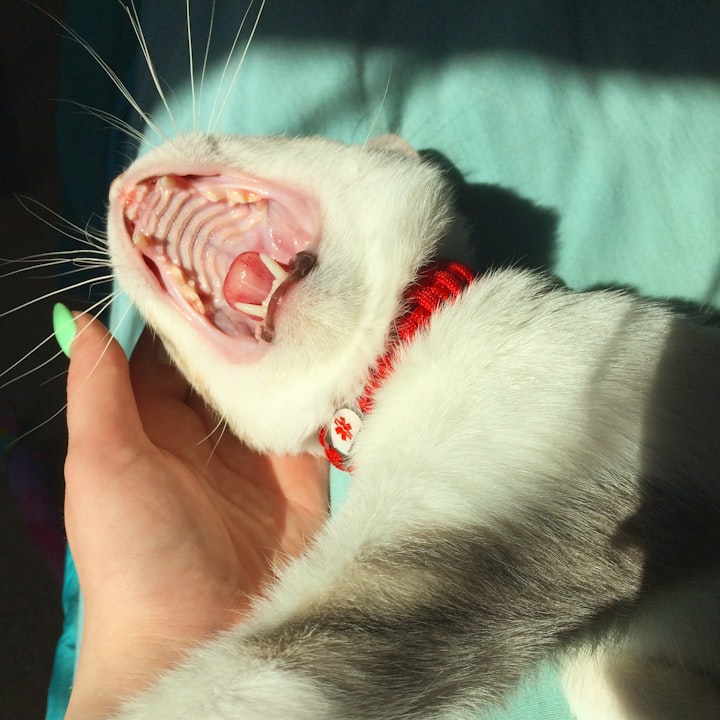
Your little lion comes into the world without teeth, but it doesn't stay that way! Read on to find out when cats change teeth and what you should pay attention to.
When does the change of teeth in cats occur?
Four to five weeks after birth, kittens sprout their first baby teeth (deciduous teeth). From the third month, the permanent teeth, which are under the milk ones, begin to displace and replace them.
This change of teeth in cats is completed after six to seven months of life. Later, the teeth of the adult cat have 30 permanent teeth (secondary dentition).
Symptoms during the change of teeth in cats
You can recognize if the change of teeth has started in your cat by specific symptoms. The most common signs are:
• The cat bites hard objects more often.
• He licks his gums often.
• Chew your food more slowly or eat less.
• Saliva more.
• You may have bad breath.
• Sometimes he bows his head.
If your cat has a fever or reacts in a lot of pain, take him to the vet.
Possible complications
The change of teeth in cats does not always go smoothly. Since healthy teeth are so important to your kitty, your vet should examine him when he's six or seven months old. This allows dental malformations and other problems to be identified and corrected if possible.
Other common complications of changing teeth in cats are:
Persistent baby teeth (double teeth)
Sometimes it happens that the permanent tooth does not displace the baby tooth. Veterinarians also refer to these two teeth as double teeth, a phenomenon particularly common in fangs.
The consequence is that the cat's milk teeth grow towards the tongue and can cause problems when eating. It's also possible that the surrounding tissue becomes inflamed and sore for your cat. For this reason, the veterinarian must extract the persistent milk tooth.
Fractures of the milk fangs
Teeth can also break. Veterinarians see it mostly in milk fangs, which is extremely painful for kittens. Also, if the broken tooth is not removed on time, bacteria can enter the root canal and cause severe inflammation in the jaw bone.
How to make changing teeth in cats less annoying
Cats, just like humans, can feel pain when they change their teeth. Therefore, your kitty will thank you for your help with these tips and tricks:
• Give him wet food so that it costs him less to eat.
• Offer him a teether or food so that he can loosen loose teeth when biting them.
• If he lets you, gently pull his lips up and massage his gums with light pressure.
In general, it is good for your cat to learn to let his mouth be touched inside and out. This will make dental exams and general handling of the animal easier on subsequent visits to the vet.
How is the denture structured?
The adult dentition of cats consists of 30 teeth, including:
• twelve incisors
• Four fangs (canines)
• Six premolars in the upper jaw and four premolars in the lower jaw
• four posterior molars
Structure of the cat’s teeth:
Unlike dogs, cats only have six premolars instead of eight. In adult cats, this results in the following dental pattern:
The illustration shows the teeth of an adult cat and its different types of teeth.
Some teeth have a special function and therefore have a particular name. Thus, veterinarians call canine fangs (104, 204, 304, 404). The fourth premolar (108 and 208) of the upper jaw and the first posterior molar of the lower jaw (309 and 409) are called carnassial teeth. They fit perfectly and help cut food.
Kittens, on the other hand, only have 26 milk teeth in total, that is, four fewer than adults. Also, their little fangs are sharper, slightly smaller, and whiter than their permanent teeth.
About the Creator
Abu Saleh
Content writer & Affiliate marketer. https://bestpetslover.com



Comments
There are no comments for this story
Be the first to respond and start the conversation.