
Chamois: Alpine Acrobats Unveiled
Discover the Surprising Lives of Mountain Ghosts

Introduction
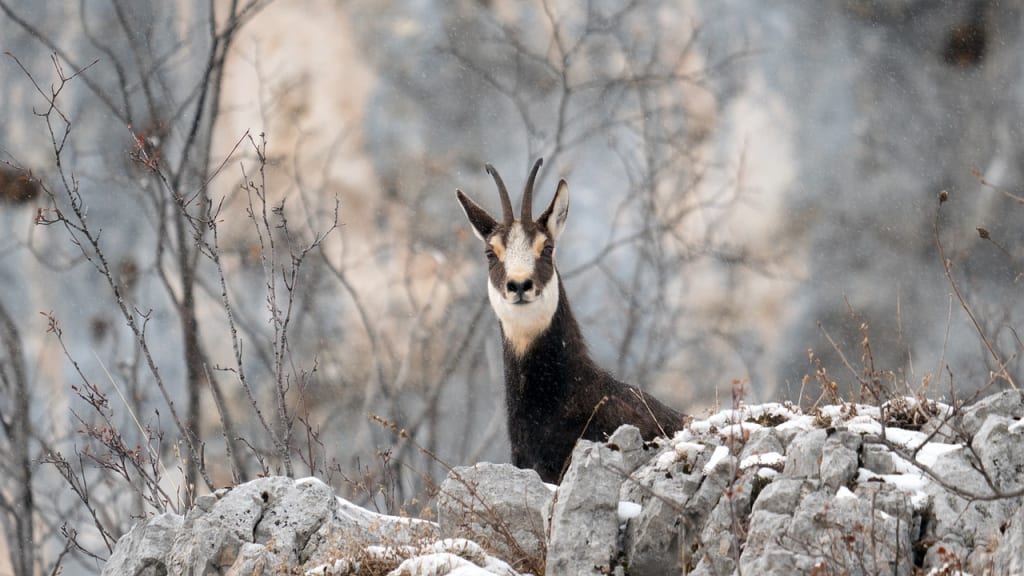
In the rugged heights of the European Alps, there exists a creature that embodies the spirit of mountainous agility and mystery—the chamois. Often referred to as "mountain ghosts" due to their elusive nature, these remarkable animals are masters of the alpine landscape. This post delves into the fascinating lives of chamois, exploring their unique adaptations, behaviors, and the challenges they face in their high-altitude homes.
What Are Chamois?
Chamois (Rupicapra rupicapra) are medium-sized ungulates native to the mountainous regions of Europe, including the Alps, Pyrenees, and Carpathians. They are part of the goat-antelope family and are known for their remarkable climbing abilities and distinctive appearance. With their sleek, dark fur, sharp hooves, and graceful agility, chamois are perfectly adapted to their steep and often inhospitable habitats.
Adaptations to Alpine Life
Masterful Climbers
Chamois are exceptional climbers, capable of navigating the most precipitous cliffs and rocky slopes with ease. Their specialized hooves, with a hard outer rim and a flexible inner pad, provide excellent traction on rocky surfaces. This adaptation allows them to evade predators and access food sources that are otherwise out of reach for many other animals.
Insulated Fur
The chamois’ dense and insulating fur keeps them warm in the freezing temperatures of high altitudes. Their coat changes with the seasons, becoming thicker and darker in the winter to provide additional warmth and camouflage against the snow.
Sharp Senses
Chamois possess keen senses that help them detect danger and navigate their environment. Their excellent eyesight allows them to spot predators from afar, while their acute hearing helps them detect subtle sounds in their surroundings.
Behavior and Social Structure
Elusive and Solitary
Although chamois are social animals, they are often elusive and difficult to spot due to their ability to blend into their surroundings. They typically form small herds, especially during the breeding season, but can also be found alone or in pairs.
Breeding and Rearing
The breeding season for chamois occurs in the autumn, when males compete for the attention of females through displays of strength and agility. After a successful mating, females give birth to one or two fawns in the spring. The young are highly precocial, meaning they are born with the ability to stand and move shortly after birth, an essential trait for survival in their harsh environment.
Diet and Foraging
Chamois are herbivores with a diet that primarily consists of grasses, shrubs, and lichens. Their ability to find and consume food in the alpine environment is aided by their agility and sharp senses. During the winter months, they rely on their fat reserves and can often be seen foraging in snow-covered areas.
Conservation and Challenges
Habitat Loss
Chamois face challenges from habitat loss due to human activities such as logging, construction, and tourism. The encroachment of human development into their natural habitat can disrupt their feeding grounds and migratory routes.
Climate Change
Climate change is another significant threat, as rising temperatures can affect the availability of food and alter the delicate balance of their alpine ecosystem. Melting glaciers and reduced snowfall can impact their habitat and food sources.
Hunting Pressure
In some regions, hunting pressure also poses a threat to chamois populations. Sustainable hunting practices and regulations are crucial to ensure their survival and maintain healthy populations.
Conclusion
The chamois, with its astounding climbing prowess and adaptability to the harsh alpine environment, truly embodies the essence of the mountain wilderness. These "mountain ghosts" are not only a symbol of the rugged beauty of the Alps but also a reminder of the delicate balance of nature that sustains them. By understanding and respecting their lives, we can contribute to their conservation and ensure that future generations continue to marvel at these extraordinary creatures.
About the Creator
Emillia Edivane
Emillia Edivane is a dedicated nutritionist and dietitian with over 15 years of experience in promoting health and wellness. With a Master's degree in Nutritional Science and three diplomas in nutrition, cancer, and diabetes
Keep reading
More stories from Emillia Edivane and writers in Petlife and other communities.
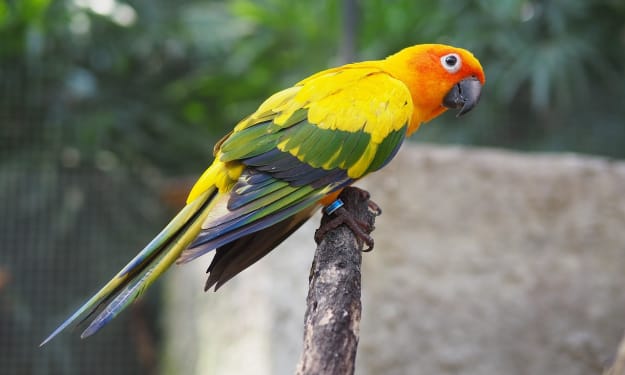
The Vibrant Charm of Sun Conure Parrots: A Guide to Their Care and Personality
Sun Conure parrots, known for their dazzling plumage and lively personalities, are among the most captivating and affectionate pet birds you can bring into your home. With their bright orange and yellow feathers and playful antics, these parrots not only brighten up any room but also bring joy to their owners. In this post, we’ll explore what makes Sun Conures such delightful companions and how to provide them with the best care.
By Emillia Edivane 2 years ago in Petlife
MY CREW
our shared anxiety. Piggy, with her delicate frame and surprisingly bold spirit, navigated the established feline hierarchy with a surprising lack of fuss. Oliver and Miles, who had finally achieved a semblance of interspecies detente, seemed to regard her arrival with a weary acceptance, as if to say, "Another one? Fine." But Piggy, with her intelligent eyes and a persistent purr that could rival a motorboat, began to chip away at their reserves. She’d curl up near Oliver, not touching, just a soft presence, and he, in turn, would soften his gaze, his tail giving a less critical flick. Miles, ever the hesitant one, found himself drawn to her playful pounces, her innocent batting at dangling toys, a more engaging dynamic than his previous cautious interactions.
By Vera Myles8 days ago in Petlife
MY CREW
My service dog Keva died and my kids told me to go find another dog but my heart wasn't in it until I went to the shelter and our eyes met and you were big black with brown on the edges but I knew you were more than the shelter said. those big brown eyes and that happiness as we met. It wasn't just a flicker; it was a beacon. A warmth that seeped into the hollow space Keva had left behind. You wagged your tail, not with the anxious desperation of a dog eager to please, but with a confident, knowing joy, as if you'd been waiting for me all along. The volunteers kept calling you "Colin" a generic name for a dog who was anything but. I saw a soul in those eyes, a silent understanding that transcended the sterile environment of the shelter.
By Vera Myles8 days ago in Petlife


Comments (1)
Well detailed