
Caring for Your Cat in Winter: A Comprehensive Guide to Seasonal Well-being
Winter Whiskers: Why Cold Weather Affects Cats Differently 2. Cozy Corners and Warm Hearts: Creating a Winter-Safe Indoor Space 3. Nutrition and Hydration: Feeding Your Feline in the Frost 4. Outdoor Adventures: Keeping Outdoor Cats Safe in Cold Temperatures 5. Health Checks and Winter Hazards: What Every Cat Owner Should Know 6. Emotional Well-being: Beating the Winter Blues Together
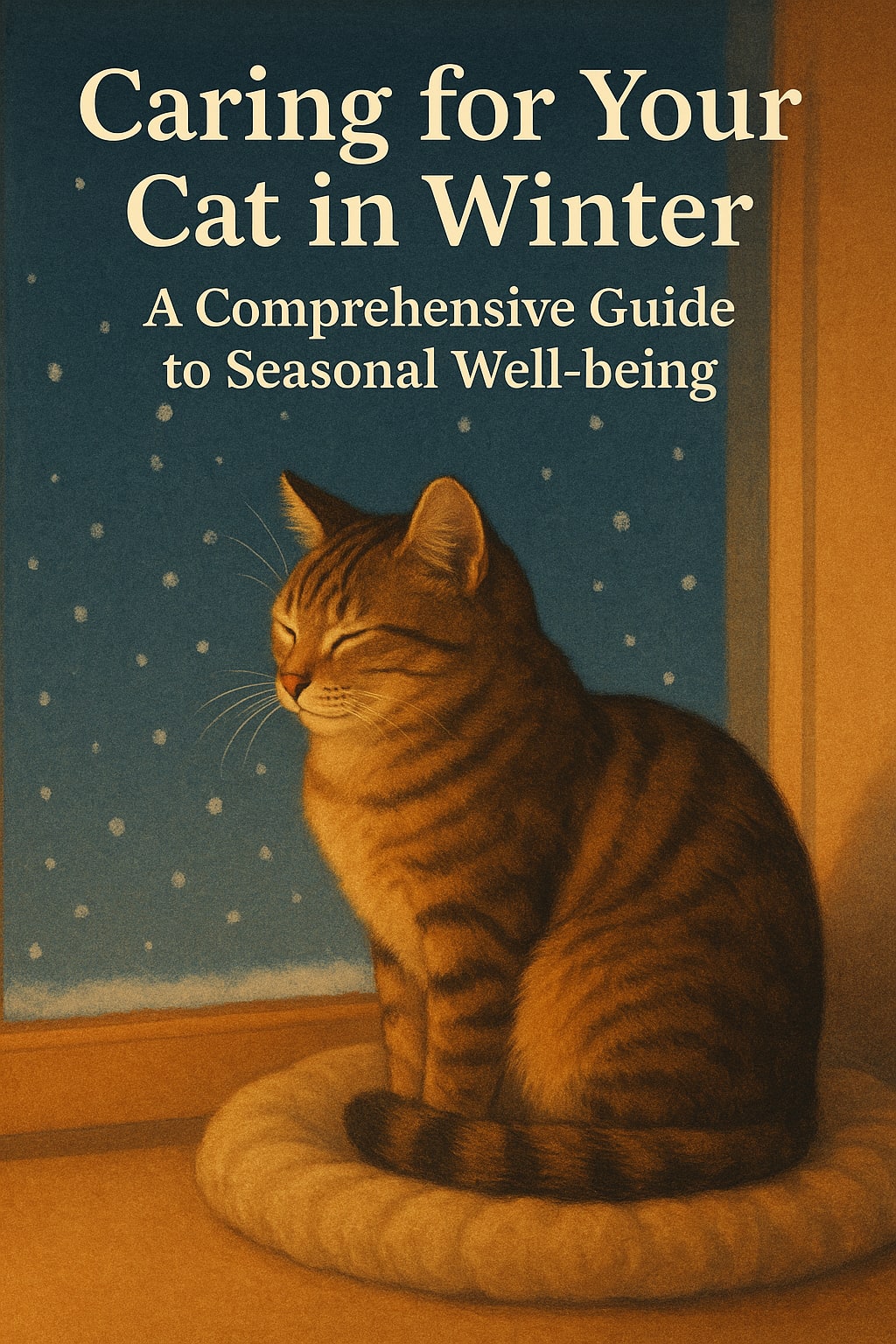
Winter Whiskers: Why Cold Weather Affects Cats Differently
When the first snowfall blankets your backyard, chances are you're bundling up in layers. But have you ever stopped to think about how your feline companion feels as the temperature drops?
Cats, while graceful and independent, aren’t immune to the challenges winter brings. Whether they’re indoor cuddlers or brave outdoor explorers, cold temperatures can impact their comfort, health, and mood. Just like us, they need extra care during winter months.
One winter morning, I found my tabby, Luna, curled unusually tight, tucked behind the radiator. It was the first real frost of the season. Her usual sunny perch on the windowsill was no longer warm. That small observation sparked a journey into understanding what cats truly need during winter — and how a few adjustments could make a world of difference.
---
Cozy Corners and Warm Hearts: Creating a Winter-Safe Indoor Space
Indoor cats can still struggle with cold drafts, dry air, and reduced sunlight. While they’re not exposed to snow or icy winds, their environment changes subtly, and so does their behavior.
Luna started sleeping more and playing less. Her favorite water fountain grew less appealing, and her usual playtime seemed to vanish. I realized that heat sources were essential — not just any heating pad, but one designed specifically for pets, with low voltage and automatic shut-off.
I added a few fleece-lined cat beds in corners where drafts didn’t reach. Placing beds near sunny windows (even if sunlight was scarce) encouraged her to enjoy natural warmth. A humidifier helped combat dry air, which can irritate a cat’s skin and respiratory system. Within days, Luna was visibly more relaxed, stretching again instead of curling up defensively.
---
Nutrition and Hydration: Feeding Your Feline in the Frost
Winter can affect a cat’s appetite and water intake. Outdoor cats need more calories to maintain body heat, while indoor cats may eat more out of boredom. Either way, it’s essential to watch portion sizes and hydration levels.
I switched Luna’s diet to include more moisture-rich wet food, especially in the mornings when her water bowl would often go untouched. Cats naturally have a low thirst drive, so wet food helps supplement their hydration.
Warming her meals slightly — just a few seconds in the microwave — made her more interested in eating. (Always test the temperature before serving!) I also checked her water bowl more frequently, ensuring it was fresh and not too cold to encourage drinking.
---
Outdoor Adventures: Keeping Outdoor Cats Safe in Cold Temperatures
Some cats refuse to stay inside, no matter the season. For outdoor explorers like my neighbor’s ginger tomcat, Socks, winter can be dangerous.
We worked together to build a small insulated shelter from a plastic storage bin. Lined with straw (never blankets, which retain moisture), it gave Socks a warm retreat when temperatures dropped. Heated water bowls prevented his drinking water from freezing. His coat was brushed regularly to remove matted fur, which can compromise insulation.
If you care for community or feral cats, these shelters and feeding stations can be literal lifesavers. They don’t take much space or cost, but they offer priceless protection from freezing nights.
---
Health Checks and Winter Hazards: What Every Cat Owner Should Know
Cold weather can exacerbate existing health conditions like arthritis, kidney issues, or respiratory illnesses. Luna, now in her senior years, began showing subtle signs of stiffness. She struggled to jump to her favorite perch.
A quick vet visit confirmed early arthritis. Supplements like glucosamine helped, and warming pads became a daily necessity. If your cat suddenly changes behavior, slows down, or avoids stairs or beds, don’t chalk it up to “winter laziness.” It might be a health warning.
Be cautious with seasonal toxins too: antifreeze (ethylene glycol) is deadly to cats and has a sweet taste that attracts them. Always clean up spills immediately and store chemicals securely.
---
Emotional Well-being: Beating the Winter Blues Together
Cats feel winter, emotionally too. Reduced sunlight can affect mood, leading to more sleep, less interaction, and boredom-related behavior. They might scratch more, overgroom, or even show signs of anxiety.
I introduced more interactive playtime into Luna’s routine. Feather wands, puzzle feeders, and rotating toys helped keep her mentally engaged. We also enjoyed some cozy couch time — cats benefit from gentle companionship and attention, especially when their world gets colder and quieter.
Try placing cat furniture near windows or adding bird feeders outside for visual stimulation. If possible, give your cat access to high perches where they can observe their surroundings safely.
---
Conclusion: A Season of Connection and Care
Winter is a time for warmth — not just of body, but of spirit. Caring for your cat during these colder months is about more than avoiding frostbite or shivers; it’s about nurturing a bond, tuning in to their subtle changes, and creating an environment where they can thrive.
Luna now spends her winter mornings curled up in her heated bed, occasionally twitching her tail at the birds outside. Her energy returns with the rising sun, and our bond only deepens with every season.
So this winter, wrap your feline friend in love, blankets, and thoughtful care. Because every purr in the cold is a thank you for keeping them warm — inside and out.
About the Creator
Keep reading
More stories from Zeeshan Khan and writers in Petlife and other communities.
A Dart at Dusk
Seconds ago, the sullen sun set on the two of us… my exuberant furry companion and me. A fresh breeze embraces us, delivering welcome relief from the day’s oppressive heat. His typical stumbling and staggering along — apace with a sloth — has turned into trip-trapping, high-stepping, almost skipping along.
By Angie the Archivist 📚🪶5 days ago in Petlife
Frozen Clash: Wolf vs Bear
The morning light broke gently over the snow-covered wilderness, turning the frost into a blanket of sparkling diamonds. The forest was silent except for the soft whisper of wind moving through the icy branches. Every tree was coated in white, and the frozen ground glistened under the soft sunlight. In this serene landscape, life thrived in quiet ways, even in the harshest winter conditions.
By Bilal Mohammadi7 days ago in Petlife


Comments (1)
You really hit the nail on the head about how winter affects cats. I had a similar experience with my cat getting less active in the cold. Adding those pet-specific heat sources and fleece beds made a big difference. Do you think there are other ways to keep indoor cats engaged during winter, aside from just adjusting their environment? Also, how can we ensure outdoor cats are getting enough food in really cold weather?