
Can Parrots Handle Cold Weather? Tips to Protect Your Bird
Do Parrots Also Feel Cold?

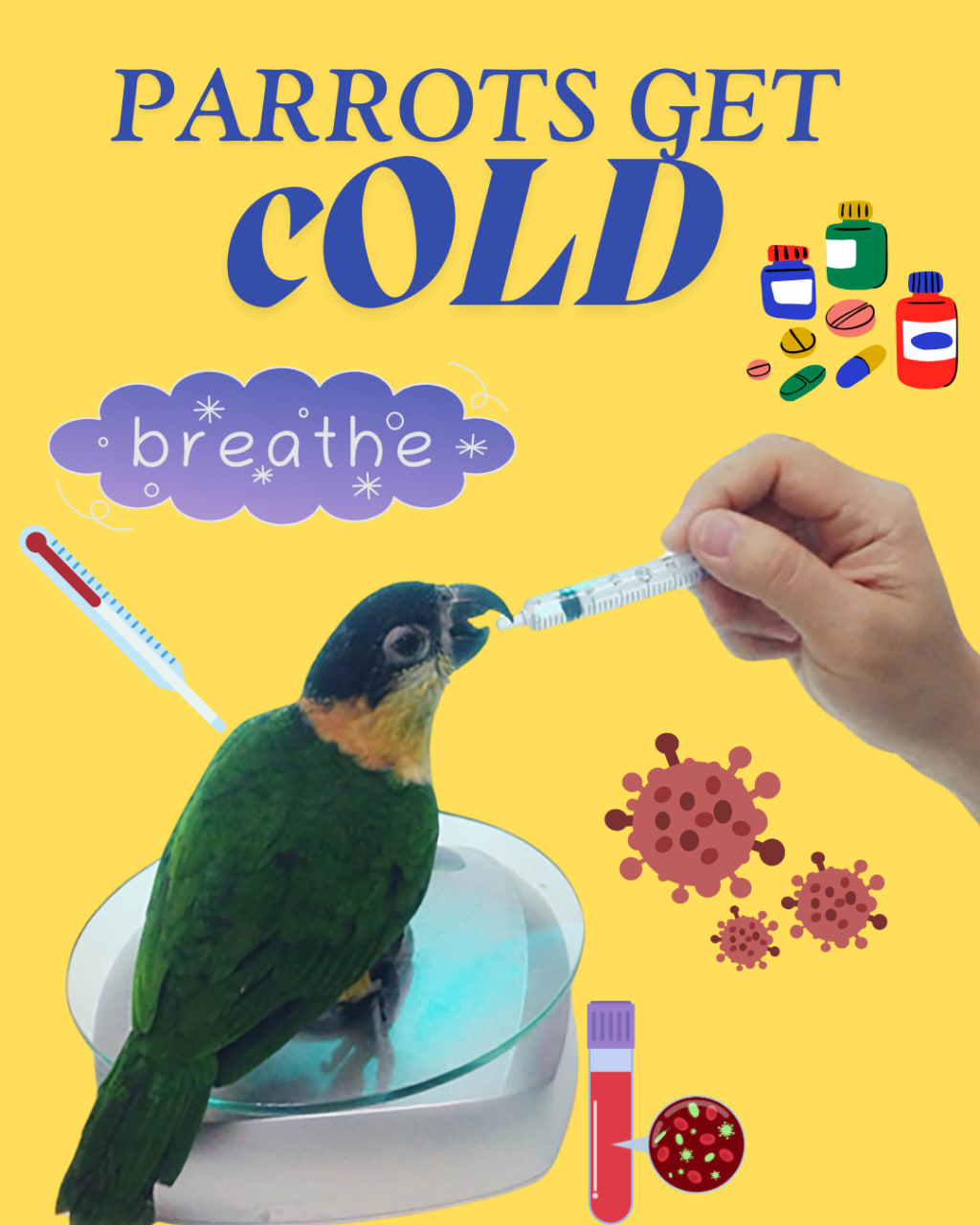
Do Parrots Get Cold?
Parrots are tropical and subtropical birds that thrive in warm climates, but many are kept as pets in regions with varying temperatures. As bird owners, it is essential to understand whether parrots get cold and how to keep them comfortable. This article explores how parrots respond to cold weather, signs of discomfort, and ways to maintain a suitable environment for them.
Understanding Parrots and Their Natural Habitat
Parrots are native to regions such as South America, Africa, Australia, and Asia, where temperatures are generally warm throughout the year. They have adapted to living in environments with plenty of sunlight, warmth, and humidity. While some parrot species can tolerate slight drops in temperature, most do not handle extreme cold well.
In the wild, parrots have the ability to seek shelter in tree hollows or dense foliage, helping them retain warmth during cooler nights. However, in captivity, their ability to regulate body temperature depends on their enclosure and the care provided by their owners.
Can Parrots Feel Cold?
Yes, parrots can get cold, and prolonged exposure to low temperatures can be harmful to their health. Unlike mammals, birds do not have thick fur to insulate their bodies. Instead, they rely on their feathers to trap heat and maintain warmth. However, when temperatures drop significantly, this natural insulation may not be sufficient, leading to discomfort or health problems.
The ideal temperature range for most parrots is between 65°F and 80°F (18°C to 27°C). If the temperature falls below 50°F (10°C),many parrots will struggle to stay warm. Prolonged exposure to temperatures lower than 40°F (4°C)can be life-threatening for some species.
Signs That a Parrot is Cold
Parrots exhibit several signs when they are feeling cold. Some common indicators include:
- Fluffed-up feathers: When a parrot is cold, it fluffs up its feathers to trap air and create insulation. However, if the bird remains puffed up for long periods, it may be struggling to maintain warmth.
- Shivering: Visible trembling or shaking is a clear sign that a parrot is too cold.
- Tucking its beak under a wing: While this is a normal sleeping behavior, if a parrot does this frequently while awake, it may be trying to conserve body heat.
- Lethargy and inactivity: Cold temperatures can make a parrot sluggish and less responsive.
- Cold feet and beak: If the parrot's feet or beak feel unusually cold to the touch, it may be losing body heat.
Risks of Cold Temperatures for Parrots
Exposure to cold temperatures can lead to several health problems in parrots, including:
1. Respiratory Infections: Cold temperatures and drafts can cause respiratory illnesses, leading to symptoms such as sneezing, nasal discharge, wheezing, or labored breathing.
2. Weakened Immune System: A parrot that is frequently exposed to cold weather may develop a weakened immune system, making it more susceptible to diseases.
3. Hypothermia: If a parrot's body temperature drops too low, it may suffer from hypothermia, which can be fatal if not addressed promptly.
4. Feather Damage: Cold stress may cause excessive preening or feather plucking, leading to damage and loss of insulation.
How to Keep Parrots Warm
To ensure that a pet parrot stays warm and comfortable, follow these important steps:
- Maintain a Warm Indoor Environment
Keep the room temperature within the recommended range for your parrot's species. If necessary, use a space heater or heating lamp to maintain warmth, ensuring that it does not emit toxic fumes or pose a fire hazard.
- Provide a Proper Cage Setup
Position the cage away from windows, doors, or drafty areas. Covering part of the cage with a blanket at night can help retain heat, but ensure there is enough ventilation to prevent suffocation.
- Use a Heated Perch
Heated perches are available for pet birds and can help keep their feet warm. However, make sure the perch does not get too hot, as excessive heat can harm the bird’s feet.
- Provide Warm and Nutritious Food
Feeding warm, soft foods such as cooked vegetables, grains, and mashed sweet potatoes can help maintain body temperature. Ensuring a balanced diet rich in vitamins and minerals also strengthens the bird’s immune system against cold-related illnesses.
- Encourage Physical Activity
Allowing your parrot to move and play around can generate body heat. Engaging in interactive play, flight exercises, or climbing activities will help keep the bird warm and active.
- Use a Bird-Safe Heat Lamp
Infrared heat lamps designed for birds can provide additional warmth without emitting harmful fumes. Ensure the lamp is placed at a safe distance from the cage to prevent burns.
- Provide Nesting Material
Some parrots appreciate soft nesting material in their cage to snuggle into during colder nights. However, ensure the material is safe and non-toxic.
Special Considerations for Outdoor Parrots
- If you keep parrots in an outdoor aviary, you must take extra precautions during colder months:
- Install insulated walls or weatherproof coverings.
- Use heating elements such as ceramic heat emitters.
- Ensure there is a dry and draft-free shelter where the parrots can retreat.
- Monitor the weather forecast and bring the parrots indoors if the temperature drops too low.
Conclusion
Parrots are sensitive to cold temperatures, and exposure to chilly conditions can lead to health issues such as respiratory infections and hypothermia. Understanding the signs of cold stress and taking the necessary precautions will help keep your feathered friend safe and comfortable. By providing a warm environment, nutritious food, and proper care, you can ensure your parrot remains healthy and happy all year round.
About the Creator
Amelia Kosh
At Parrot Expert, we are more passionate about all stuffs parrots. Whether you’re a seasoned parrots owner, considering adopting a colorful friend, or just curious about these adorable creatures, you’ve come to the right place.
Keep reading
More stories from Amelia Kosh and writers in Petlife and other communities.
Do Parrots Eat Raw Potatoes?
Parrots have a diverse diet that includes fruits, vegetables, nuts, and seeds. However, not all foods that are safe for humans are suitable for parrots. One common question that arises is whether do parrots eat raw potato. While potatoes are a staple food for humans, they may not be the best choice for your feathered friend. Let’s explore the potential risks and benefits of feeding raw potatoes to parrots.
By Amelia Koshabout a year ago in Petlife
A System That Isn’t Working Challenge Winners
Systems promise order. They organize behavior, distribute opportunity, and suggest that if everyone follows the rules, things will work. The entries in A System That Isn’t Working look closely at what happens when that promise begins to slip.
By Vocal Curation Teama day ago in Resources




Comments
There are no comments for this story
Be the first to respond and start the conversation.