
Can Dogs Get Worms While on Heartgard?
Read to know - Can Dogs Get Worms While on Heartgard?

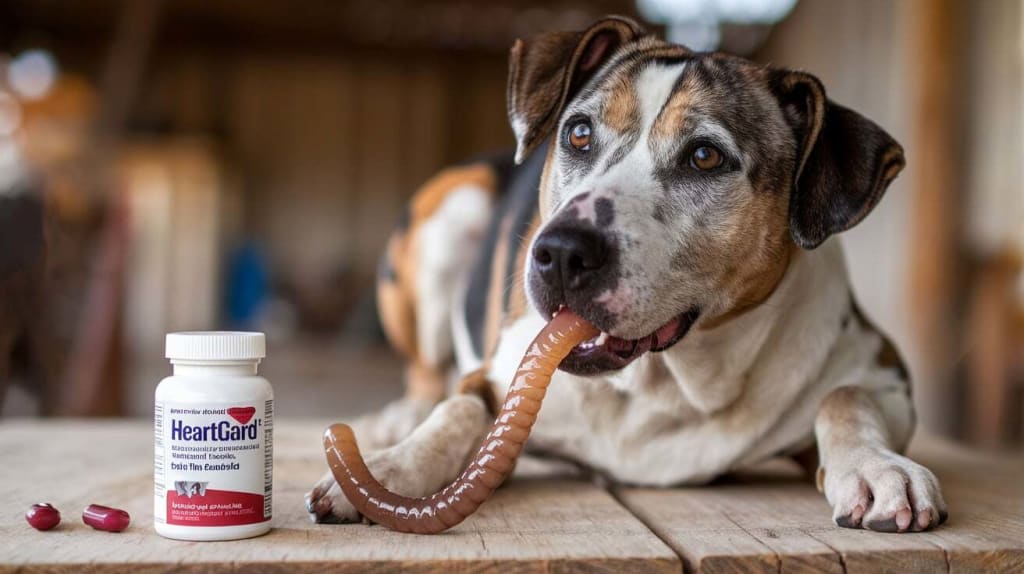
Heartgard is a popular medication that helps prevent heartworm disease in dogs, but many pet owners are concerned about the possibility of their dogs getting other types of worms while on Heartgard. The question arises, "Can dogs still get worms while using Heartgard?" In this article, we’ll explore how Heartgard works, whether it’s effective enough to protect your dog from all worms, and what else you need to do to keep your pet healthy and free from parasites.
What Is Heartgard?
Heartgard is a well-known brand of heartworm preventative, prescribed by veterinarians to protect dogs from heartworm infections. It contains ivermectin, an active ingredient that kills the heartworm larvae that are transmitted by mosquito bites before they can mature into adult worms.
When administered monthly, Heartgard Plus Chewables is highly effective at preventing heartworm disease, but the question remains—does it cover all types of worms? Is it enough to protect your dog against other intestinal parasites like tapeworms, roundworms, and hookworms? Let's take a closer look.
What Are Heartworms?
Heartworms are parasitic worms that primarily affect the heart and lungs of dogs. The worms can grow up to a foot long and can cause serious health problems, including heart failure and lung disease. Heartworms are transmitted when a mosquito carrying the larvae bites a dog, which is why they are most common in areas with high mosquito populations.
Once inside the dog, the larvae mature into adult worms, where they can block blood flow and cause severe damage to the heart and other organs. Heartgard works by killing these larvae before they can mature, thus preventing heartworm disease from developing.
How Effective Is Heartgard for Heartworm Prevention?
Heartgard is highly effective at preventing heartworm disease in dogs, with a success rate of over 99% when administered correctly. It kills the larvae before they can mature and cause damage. However, it is important to note that Heartgard does not prevent or treat other types of worms, such as intestinal worms or tapeworms.
Can Dogs Still Get Worms While on Heartgard?
There are several reasons why a dog on Heartgard might still get worms:
Inadequate Dosage or Missed Doses: If you miss a dose or don’t administer Heartgard properly, it may not provide the full protection your dog needs.
Resistance to Medication: Some parasites might develop resistance to the medication, though this is rare.
Other Worm Types: Heartgard specifically targets heartworms and does not cover intestinal parasites.
Other Worms That Dogs Can Get
Dogs can contract several types of worms, even if they are on Heartgard. These include:
Roundworms
Roundworms are one of the most common intestinal parasites in dogs. They can cause digestive issues, weight loss, and malnutrition.
Hookworms
Hookworms attach to the dog’s intestines and suck blood, leading to anemia and gastrointestinal distress.
Tapeworms
Tapeworms are flat, segmented worms that attach to the intestines. They are often visible in a dog’s stool or around their anus.
Whipworms
Whipworms live in the large intestine and cause digestive problems such as diarrhea, weight loss, and dehydration.
What Causes Dogs to Get Worms While on Heartgard?
There are several potential reasons why a dog might still get worms while on Heartgard:
Missed or Incorrect Dosage
If you forget to give your dog Heartgard or give them the wrong dose, they may not be fully protected from heartworm larvae. This can leave them vulnerable to other types of worms as well.
Resistance to Heartgard
While rare, some parasites might be resistant to the medication. This is why it’s important to discuss any concerns with your vet to determine the best preventative plan for your dog.
No Protection Against Intestinal Worms
Heartgard doesn’t treat or prevent roundworms, hookworms, or tapeworms. These parasites require separate treatments.
Signs and Symptoms of Worms in Dogs
If your dog does develop worms, you might notice some signs and symptoms, including:
Vomiting or diarrhea
Weight loss
Scooting or itching around the anus
Visible worms in the stool
Coughing or difficulty breathing (for heartworm infection)
If you notice any of these symptoms, consult your veterinarian as soon as possible for treatment.
When Should You Be Concerned?
If your dog shows any signs of worms or if you suspect that the Heartgard treatment isn’t working, it’s important to take action quickly. Heartworm disease, in particular, can be fatal if not detected and treated in time. Always seek veterinary advice for a proper diagnosis.
Other Preventative Measures for Worms in Dogs
Heartgard may not cover all types of worms, but there are other ways to protect your dog:
Regular Deworming: Dogs should receive regular deworming treatments as part of their healthcare routine. This helps prevent intestinal worms.
Fecal Exams: Annual fecal exams can help detect intestinal parasites before they cause serious issues.
Is Heartgard Enough?
While Heartgard is excellent for preventing heartworm disease, it’s not sufficient to protect against other types of worms. You may need to combine it with additional treatments, such as deworming medications or products that target specific intestinal parasites.
Consulting Your Vet for a Custom Worming Plan
The best approach to your dog’s health is a customized plan that addresses all potential risks. Your vet can help determine the right combination of treatments to keep your dog healthy and free from worms.
How to Administer Heartgard Correctly
To ensure that your dog gets the full benefit of Heartgard, make sure to:
Follow the dosage instructions carefully
Administer it consistently every month
Store the medication in a safe, dry place
Conclusion
Heartgard is a highly effective heartworm preventative, but it does not protect against all types of worms. Dogs can still get intestinal parasites, so regular deworming treatments and veterinary check-ups are important. With the right care, you can keep your dog safe from a wide range of parasites.
About the Creator
Thomas Muller
VetSupply is a leading online pet store in Australia with a comprehensive range of products that cater to all your pet care needs.
Keep reading
More stories from Thomas Muller and writers in Petlife and other communities.
How quickly does a Seresto collar work?
Flea and tick prevention is a crucial aspect of pet care, ensuring that our furry friends remain healthy and comfortable. One popular solution in the market is the Seresto collar. But how quickly does a Seresto collar work? Let's delve into the details to understand its effectiveness and benefits.
By Thomas Mullerabout a year ago in Petlife
Keeping your pets safe (and calm) this holiday season
The holiday season may be magical for some humans, but for pets it only means confusion, changed routines, overstimulation, extra noise, guests or pet sitters come and go, and sometimes the festive season means danger for pets.
By Susan Fourtané 18 days ago in Petlife
The Superhero Cat Who Faced the Ultimate Foe: Paper Balls
Once upon a time, in a cozy little house nestled on the outskirts of town, there lived a cat named Captain Meow. No, Captain Meow wasn’t an ordinary cat. He was special. You see, Captain Meow had dreams—big dreams—of becoming a superhero.
By Ahmed aldeabella5 days ago in Petlife



Comments
There are no comments for this story
Be the first to respond and start the conversation.