
Can Dogs Eat Catfish
Feeding your dog a nutritious diet is a cornerstone of their overall health and well-being. Among the array of human foods pet parents might consider sharing, fish often stands out as a healthy option. But what about catfish? Can dogs eat catfish safely? Let’s dive into the specifics.
Nutritional Value of Catfish
Catfish are a powerhouse of essential nutrients, making them an attractive option for canine diets.
Rich in Omega-3 Fatty Acids: These help improve a dog’s coat, skin health, and joint function.
High-Quality Protein: Catfish provide lean protein crucial for muscle repair and growth.
Low in Saturated Fats: A great option for dogs with weight management needs.
When compared to other fish, such as salmon or mackerel, catfish hold their ground as a cost-effective and nutrient-rich choice.
Is Catfish Safe for Dogs?
The safety of feeding catfish to your dog depends on several factors:
Raw vs. Cooked Catfish: Raw catfish may contain harmful bacteria or parasites, so it’s better to serve it cooked.
Potential Allergies: While rare, some dogs may experience allergic reactions to fish.
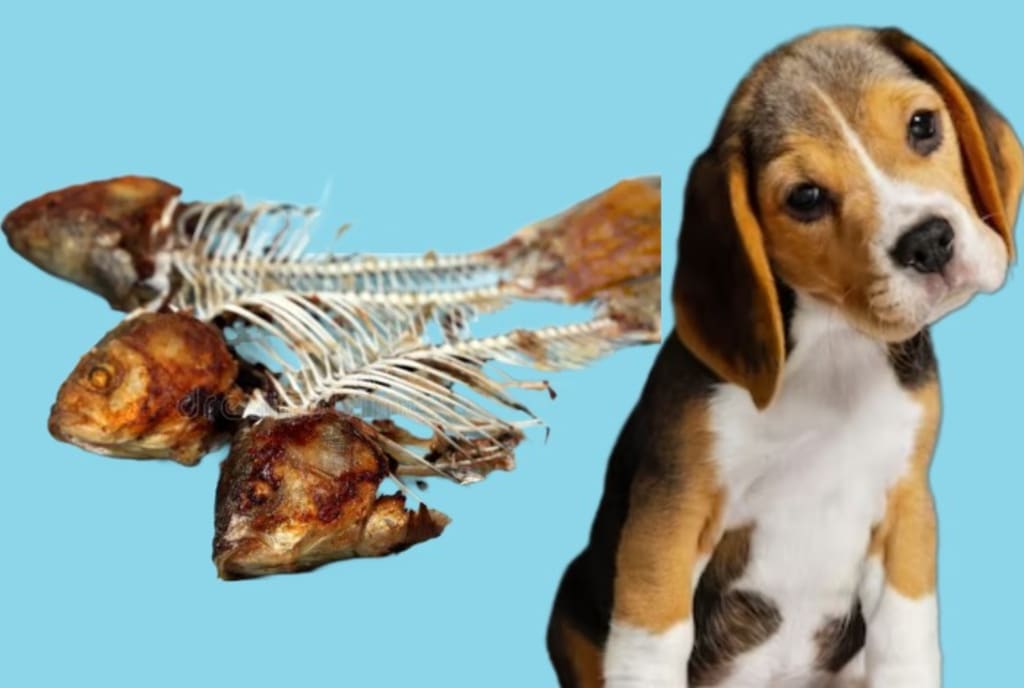
Bones: Ensure all bones are removed to avoid choking or digestive issues.
Health Benefits of Catfish for Dogs
Incorporating catfish into your dog’s diet can provide several health benefits:
Improved Coat and Skin: Omega-3 fatty acids help reduce shedding and promote a shiny coat.
Enhanced Immune System: Nutrients like selenium and vitamin B12 bolster immunity.
Muscle Development: Protein aids in building and repairing muscles, especially in active breeds.
Risks Associated with Feeding Catfish to Dogs
Despite its benefits, there are risks to be mindful of:
Parasites: Raw catfish can harbor harmful parasites like tapeworms.
Mercury Levels: Avoid feeding your dog large quantities of fish due to potential mercury content.
Bones: Small bones can splinter and become a choking hazard or cause internal injuries.
How to Properly Prepare Catfish for Dogs
Proper preparation is key to safely feeding catfish to your dog.
Cooking: Steam, boil, or grill the fish without seasoning. Avoid frying as it adds unnecessary fats.
Deboning: Remove all bones before serving.
Portion Control: Adjust serving sizes based on your dog’s size and activity level.
Alternatives to Catfish
If catfish isn’t available or suitable for your dog, consider these options:
Other Fish: Salmon, sardines, or trout are great alternatives.
Plant-Based Sources: Flaxseed and chia seeds are excellent sources of omega-3s.
Can Puppies Eat Catfish?
Puppies have different dietary needs compared to adult dogs. While they can eat catfish, moderation is essential. Ensure the fish is thoroughly cooked and served in small, manageable portions.
How Often Should Dogs Eat Catfish?
Feeding your dog catfish 1–2 times per week is a good rule of thumb. It’s important to maintain a balanced diet that includes a variety of protein sources.
Signs of Allergic Reactions to Catfish
Watch for these symptoms if you’re introducing catfish into your dog’s diet:
Itching or scratching
Vomiting or diarrhea
Swelling or hives
If you notice any of these signs, discontinue feeding and consult a veterinarian.
FAQs About Dogs and Catfish
Q1: Is cooked catfish better than raw for dogs?
Yes, cooked catfish eliminates the risk of parasites and harmful bacteria.
Q2: Can all dog breeds eat catfish?
Most breeds can eat catfish, but always consult your vet if your dog has specific dietary needs.
Q3: Are there any seasonings to avoid?
Yes, avoid salt, garlic, onions, and other harmful seasonings.
Q4: Can dogs eat catfish regularly?
Moderation is key. Once or twice a week is ideal.
Q5: What should I do if my dog chokes on a bone?
Seek immediate veterinary attention.
Q6: How should I store leftover catfish?
Store leftovers in an airtight container and refrigerate them for no more than two days.
Conclusion
Catfish can be a nutritious and tasty addition to your dog’s diet if prepared properly. Remember to cook it, remove all bones, and serve in moderation check more articles on k9nerds. Always consult your veterinarian before introducing new foods to your pet’s diet.
About the Creator
Keep reading
More stories from Saurabh Chauhan and writers in Petlife and other communities.
No-Pull Harness for French Bulldogs
Why French Bulldogs Need a No-Pull Harness Unique Body Structure of French Bulldogs French Bulldogs have a unique body shape—stocky bodies with short necks and a deep chest. Traditional collars can easily strain their necks and restrict their breathing, making a no-pull harness a much better option.
By Saurabh Chauhanabout a year ago in Petlife
A Dart at Dusk
Seconds ago, the sullen sun set on the two of us… my exuberant furry companion and me. A fresh breeze embraces us, delivering welcome relief from the day’s oppressive heat. His typical stumbling and staggering along — apace with a sloth — has turned into trip-trapping, high-stepping, almost skipping along.
By Angie the Archivist 📚🪶9 days ago in Petlife



Comments