

Buying a horse is a significant and exciting milestone for many equestrians, whether you’re a novice rider or an experienced enthusiast. Horses can be incredible companions, athletic partners, and therapeutic animals, but the process of purchasing one can feel daunting. This guide aims to simplify that journey, providing you with practical advice, essential knowledge, and critical questions to consider before making this life-changing decision.
Before diving into the logistics of buying a horse, it’s vital to understand your motivations. Why do you want a horse? Is it for leisure riding, competition, companionship, or perhaps a combination of these reasons? Knowing your goals will influence your choices down the line.
Ask yourself:
What is my level of riding experience?
Am I interested in a specific discipline (e.g., dressage, jumping, trail riding)?
How much time can I commit to caring for and riding a horse?
Reflecting on these questions will help you narrow down the type of horse that suits your lifestyle.
Owning a horse goes beyond the initial purchase price; it's an ongoing financial commitment. Here are key factors to consider:
Initial Purchase Price: This can range significantly based on the horse’s age, breed, training, and intended use.
Monthly Expenses: Consider costs such as feed, boarding, veterinary care, farrier services, and insurance.
Unexpected Costs: Emergencies can arise, so having a reserve fund is wise.
Create a budget that outlines these costs. It will help you understand what you can afford and guide your search.
With motivations and budget in mind, it’s time to consider the type of horse that would be a good match for you. Factors to take into account include:
Age: Younger horses may require more training and experience, while older horses might be more reliable but potentially face health issues.
Breed: Certain breeds excel in specific disciplines. Research breeds that align with your interests and experience level.
Temperament: A horse’s temperament is crucial. You might want a calm and gentle horse for trail riding or a spirited one for competition.
Consult with trainers or knowledgeable friends to determine what traits would best fit your needs.
Now that you have a clear idea of what you're looking for, it's time to find your future equine partner. Sellers can include:
Breeders: They can provide information about the horse’s lineage and potential.
Trainers: Many trainers sell horses they have worked with, ensuring that they can give you insights into the horse’s behavior and training.
Rescue Organizations: Consider adopting a horse in need of a home; they often come with a history that you can discuss with staff.
Regardless of the source, it's crucial to verify the seller's reputation. Look for reviews, ask for references, and ensure they are transparent about the horse’s history and health.
Once you’ve identified a potential horse, it’s essential to conduct a thorough pre-purchase examination. Here’s what to include:
Health History: Request any vet records, including vaccinations and previous illnesses or injuries.
Behavior Assessment: Spend time with the horse on the ground and under saddle. Observe how it reacts to you and its environment.
Vet Check: Hiring a veterinarian to conduct a physical exam and possibly X-rays is crucial for identifying any underlying health issues.
Taking these steps will provide you with peace of mind, ensuring you’re making a sound investment.
Once you’ve made a decision, you will need to handle various paperwork aspects. This includes:
Bill of Sale: A formal document that outlines the details of the transaction, including purchase price and any agreements made.
Registration Papers: If the horse is registered with a breed association, ensure you receive the proper documentation for transfer.
Insurance Policies: Protect your investment by securing an insurance policy that covers mortality, major medical, and liability.
Consulting a lawyer or knowledgeable equestrian professional can help you navigate this process smoothly.
Bringing a horse home is an exciting yet challenging endeavor. Preparation is key:
Facilities: Ensure you have proper housing, fencing, and pasture for the horse.
Equipment: Invest in necessary gear such as saddles, bridles, and grooming tools.
About the Creator
ANDY
I am the author of the book "Ways to Cultivate a Life of Meaning".
30 Days in a Shelter
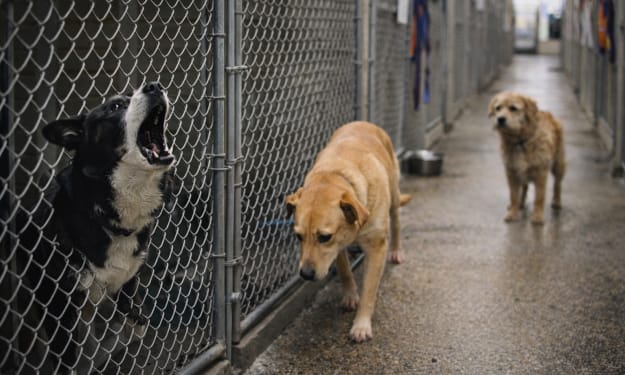
By day 3, the barking changes. The first 48 hours are chaos. Intake processing. New smells. Metallic doors slamming. By day 3, some dogs bark constantly. Others stop almost entirely. One paces the kennel line until the pads on his feet redden. Another stands motionless, eyes half-lidded, ignoring visitors.
By Dr. Mozelle Martin2 days ago in Petlife
When the Shelter Closes
Across the street from my house, a man slept under a tree, his dog by his side. My first, naive thought: he must be traveling through. But he kept coming back, often sleeping there during the day. Then it hit me—that person might not have a home.
By Bride of Sound6 days ago in Humans



Comments
There are no comments for this story
Be the first to respond and start the conversation.