
Are Labrador Retrievers Hypoallergenic?
Are Labrador Retrievers Hypoallergenic? The Shocking Truth Behind America’s Favorite Dog

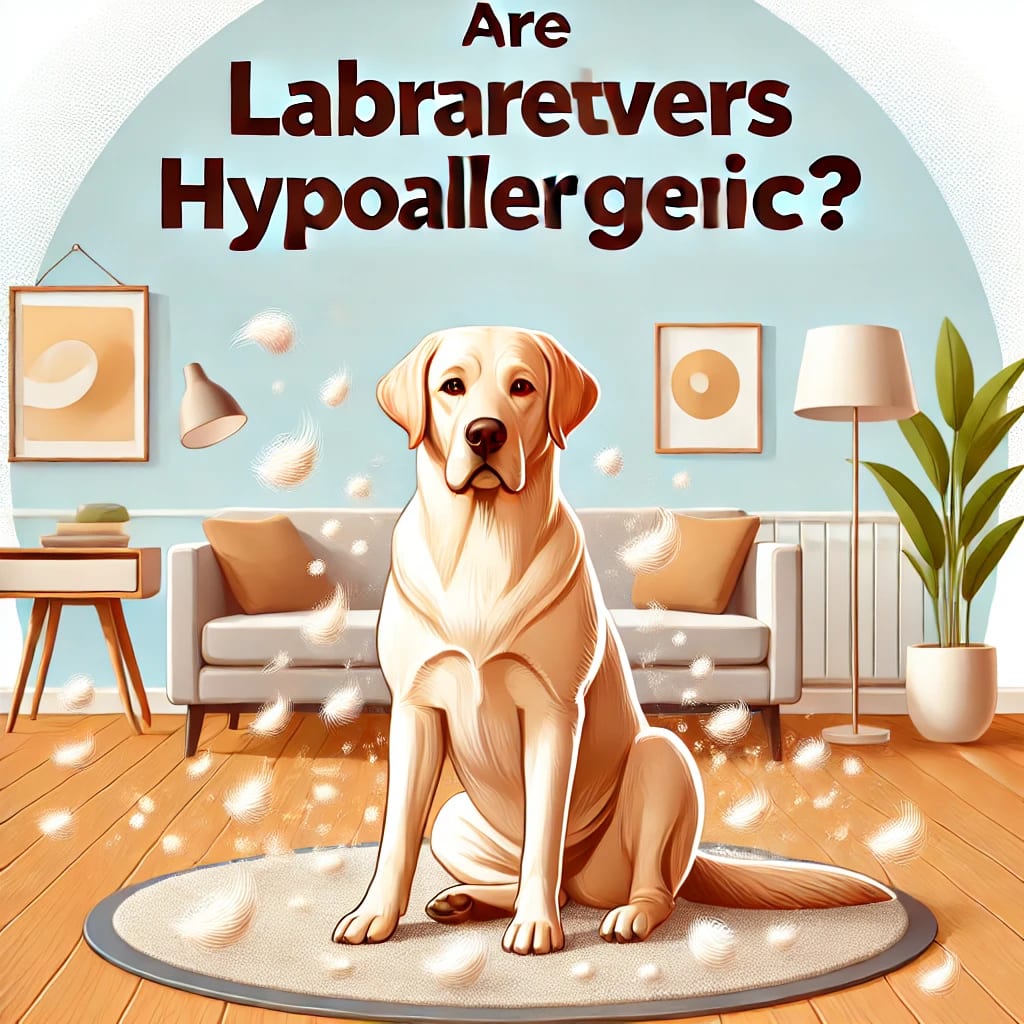
When it comes to man’s best friend, few breeds are as beloved as the Labrador Retriever. With their wagging tails, boundless energy, and heart-melting eyes, Labs have earned their place as America’s most popular dog breed for over 30 years. But behind their charming demeanor lies a question that has sparked debates, heartbreak, and even family feuds: Are Labrador Retrievers hypoallergenic?
For millions of allergy sufferers, this question isn’t just a matter of curiosity—it’s a life-altering decision. The idea of bringing home a furry friend only to discover you’re sneezing, wheezing, or breaking out in hives is a nightmare scenario. But what if the truth about Labs and allergies isn’t as straightforward as you’ve been led to believe? What if there’s a hidden history, a scandalous secret, or a shocking twist that could change everything you thought you knew about this iconic breed?
Buckle up, because we’re about to dive deep into the world of Labrador Retrievers, allergies, and the surprising science behind it all. By the end of this article, you’ll have the answers you’ve been searching for—and maybe even a few you weren’t expecting.
The Allergy Epidemic: Why Hypoallergenic Dogs Are in Demand
Before we tackle the Labrador Retriever specifically, let’s set the stage by understanding why hypoallergenic dogs are such a hot topic. According to the American College of Allergy, Asthma, and Immunology, 10-20% of the global population suffers from pet allergies. That’s hundreds of millions of people who dream of cuddling with a dog but are held back by their immune systems.
The symptoms of pet allergies can range from mild (sneezing, itchy eyes) to severe (asthma attacks, chronic sinus infections). For some, the reaction is so intense that sharing a home with a dog is simply out of the question. This has led to a surge in demand for so-called “hypoallergenic” breeds—dogs that supposedly don’t trigger allergic reactions.
But here’s the twist: there’s no such thing as a 100% hypoallergenic dog. That’s right—even the breeds marketed as hypoallergenic can still cause allergies in some people. The term “hypoallergenic” simply means “less likely to cause an allergic reaction,” not “allergy-proof.”
So, where does the Labrador Retriever fit into this complex puzzle? Let’s find out.
The Labrador Retriever: A Breed Like No Other
Labrador Retrievers are more than just dogs—they’re cultural icons. From their origins as fishing companions in Newfoundland to their current roles as service dogs, search-and-rescue heroes, and family pets, Labs have proven themselves to be one of the most versatile and adaptable breeds on the planet.
But what makes them so special? Here are a few key traits that set Labs apart:
Friendly and Outgoing: Labs are known for their sociable nature. They love people, other animals, and even strangers (which makes them terrible guard dogs but excellent companions).
Highly Intelligent: Ranked as the 7th smartest dog breed by Stanley Coren’s The Intelligence of Dogs, Labs are quick learners and eager to please.
Energetic and Playful: If you’re looking for a couch potato, a Lab isn’t for you. These dogs thrive on activity and need plenty of exercise to stay happy and healthy.
Loyal and Affectionate: Labs form deep bonds with their families and are known for their unwavering loyalty.
But there’s one trait that often gets overlooked—their coat. Labs have a short, dense, water-resistant double coat that comes in three colors: black, yellow, and chocolate. This coat is designed to protect them from harsh weather conditions, but it also plays a crucial role in the allergy debate.
The Great Allergy Debate: Are Labs Hypoallergenic?
Now, let’s address the elephant in the room: Are Labrador Retrievers hypoallergenic? The short answer is no. Labs are not considered hypoallergenic, and they are known to produce allergens that can trigger reactions in sensitive individuals.
But before you write off Labs entirely, let’s dig deeper into the science behind pet allergies. Understanding how allergies work can help you make an informed decision about whether a Lab is right for you.
What Causes Pet Allergies?
Contrary to popular belief, it’s not dog hair that causes allergies—it’s proteins found in a dog’s dander (dead skin cells), saliva, and urine. These proteins, known as allergens, can become airborne and settle on surfaces throughout your home. When an allergic person inhales or touches these allergens, their immune system overreacts, triggering symptoms like sneezing, itching, and congestion.
All dogs produce these allergens to some degree, but some breeds produce fewer allergens or shed less, making them a better fit for allergy sufferers. Unfortunately, Labs don’t fall into this category.
Why Labs Aren’t Hypoallergenic
Labrador Retrievers are moderate to heavy shedders, especially during seasonal changes. Their double coat traps loose hair and dander, which can then spread throughout your home. Additionally, Labs are known for their slobbery kisses, which means their saliva—and the allergens it contains—can easily end up on your skin, clothes, and furniture.
But here’s where things get interesting: not all Labs are created equal when it comes to allergens. Some individuals may produce fewer allergens than others, and factors like diet, grooming, and overall health can play a role in how much dander and saliva a dog produces.
The Secret History of Hypoallergenic Dogs
Now that we’ve established Labs aren’t hypoallergenic, let’s take a detour into the fascinating—and somewhat scandalous—history of hypoallergenic dogs. Did you know that the concept of hypoallergenic dogs was popularized by a marketing campaign in the 1980s? That’s right—what started as a clever sales tactic has since become a widely accepted belief.
The story begins with the rise of designer dog breeds like the Labradoodle (a cross between a Labrador Retriever and a Poodle). Breeders claimed these dogs were hypoallergenic, sparking a frenzy among allergy sufferers. But as demand grew, so did skepticism. Scientists began to question whether these breeds were truly hypoallergenic or if it was all just a clever ploy.
In 2011, a groundbreaking study published in the American Journal of Rhinology and Allergy put the debate to rest. Researchers found that there’s no significant difference in allergen levels between hypoallergenic and non-hypoallergenic breeds. In other words, the idea of a truly hypoallergenic dog is a myth.
So, what does this mean for Labrador Retrievers? It means that while Labs aren’t hypoallergenic, they’re no worse than many so-called hypoallergenic breeds when it comes to allergens. The key is managing your environment and taking steps to reduce exposure.
Living with a Lab: Tips for Allergy Sufferers
If you’re an allergy sufferer who’s determined to bring a Labrador Retriever into your life, don’t despair. While Labs aren’t hypoallergenic, there are steps you can take to minimize your symptoms and enjoy life with your furry friend.
1. Invest in a Good Air Purifier
An air purifier with a HEPA filter can help remove allergens from the air, reducing your exposure and easing your symptoms.
2. Groom Your Lab Regularly
Frequent brushing and bathing can help reduce shedding and dander. Just be sure to use a hypoallergenic shampoo to avoid irritating your Lab’s skin.
3. Create Allergy-Free Zones
Designate certain areas of your home, like your bedroom, as off-limits to your Lab. This will give you a safe space to retreat to when your allergies flare up.
4. Wash Your Hands and Clothes
After playing with your Lab, wash your hands and change your clothes to remove any allergens that may have settled on them.
5. Consult an Allergist
If your allergies are severe, consider consulting an allergist. They may recommend treatments like allergy shots or medications to help manage your symptoms.
The Emotional Side of the Story
For many allergy sufferers, the decision to bring a dog into their lives is deeply personal. It’s not just about finding a pet—it’s about finding a companion, a confidant, and a source of unconditional love. The idea of being denied that bond because of allergies is heartbreaking.
But here’s the good news: allergies don’t have to be a deal-breaker. With the right precautions and a little bit of effort, it’s possible to live happily with a Labrador Retriever—even if you’re allergic. Countless allergy sufferers have done it, and their stories are a testament to the power of love, determination, and a good vacuum cleaner.
The Final Verdict: Should You Get a Lab?
So, are Labrador Retrievers hypoallergenic? No. But does that mean you should rule them out entirely? Not necessarily. While Labs may not be the best choice for severe allergy sufferers, they can still be a great fit for those with mild allergies or a willingness to manage their symptoms.
At the end of the day, the decision to bring a Lab into your life is a personal one. It’s about weighing the pros and cons, understanding the risks, and deciding what’s best for you and your family. And who knows? With a little bit of effort—and maybe a few tissues—you might just find that a Labrador Retriever is the perfect addition to your home.
Conclusion:
In conclusion, the question of whether Labrador Retrievers are hypoallergenic is a complex one with no easy answers. While Labs may not be the best choice for severe allergy sufferers, they can still bring joy, love, and companionship to countless families. By understanding the science behind pet allergies and taking steps to manage your symptoms, you can make an informed decision about whether a Lab is right for you. And who knows? You might just find that the rewards far outweigh the risks.
About the Creator
Shane Watson
My name is Shane Watson and I am a writer who loves sharing insights through engaging and informative articles. With a keen interest in pets I enjoys exploring topics that help pet owners better understand and care for their pets
Keep reading
More stories from Shane Watson and writers in Petlife and other communities.
Do Labrador Retrievers Shed?
When it comes to Labrador Retrievers, there’s one question that every potential dog owner asks, and every current owner sighs about: Do Labrador Retrievers shed? The answer is a resounding YES, but the story behind their shedding is far more fascinating—and emotional—than you might think. This isn’t just a tale of fur-covered couches and lint rollers; it’s a journey into the history, biology, and even the scandalous secrets of one of the world’s most beloved dog breeds.
By Shane Watsonabout a year ago in Petlife
Cat Sanctuary vs. Cat Shelter
Many people assume a cat sanctuary and a cat shelter are the same—but they serve very different purposes. Understanding the difference between a cat sanctuary and a cat shelter can help you decide where to adopt, volunteer, or donate.
By Special Little Whiskers Kitten Sanctuary5 days ago in Petlife
Guard Your Battery
Why are some people so attractive just by standing there? It’s not because they are "likable," but because they don’t need everyone to like them. I realized later that truly charismatic people allow themselves to be criticized, but they never criticize themselves. They never try to please the world; instead, the world stops to watch them.
By Emily Chan - Life and love sharing6 days ago in Poets




Comments
There are no comments for this story
Be the first to respond and start the conversation.