
Are German Shepherds Aggressive?
Are German Shepherds Aggressive? Unraveling the Mystery Behind the Breed’s Reputation

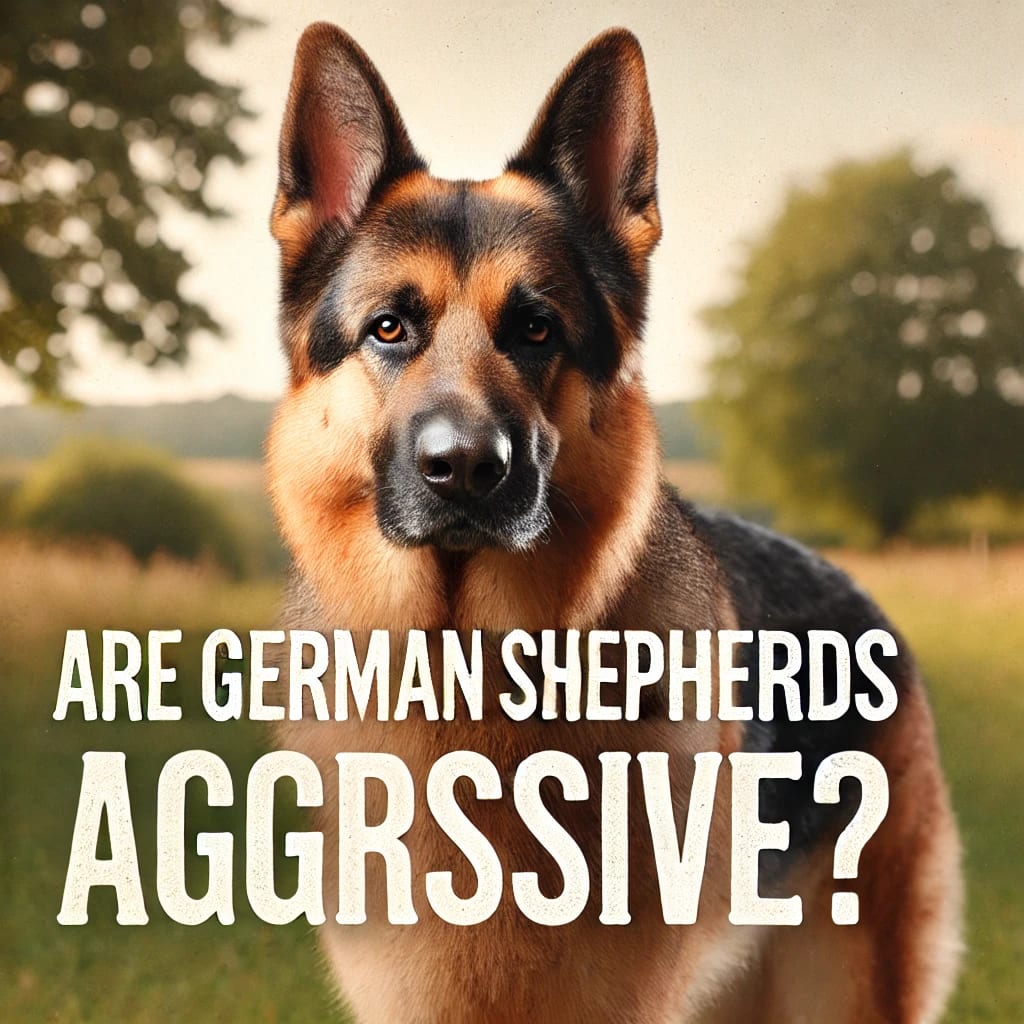
German Shepherds are one of the most recognizable dog breeds in the world. With their striking appearance, intelligence, and versatility, they’ve captured the hearts of millions. But behind their noble demeanor lies a question that has sparked debates, fueled myths, and even caused fear: Are German Shepherds aggressive?
This article dives deep into the secret history of German Shepherds, their misunderstood nature, and the shocking truths behind their reputation. From their origins as herding dogs to their roles in law enforcement and the military, we’ll explore whether aggression is ingrained in their DNA or if it’s a result of human influence.
The Secret History of German Shepherds: From Farm Dogs to Fearless Protectors
To understand whether German Shepherds are inherently aggressive, we must first explore their origins. The breed was developed in Germany in the late 19th century by Captain Max von Stephanitz, who aimed to create the perfect herding dog. These dogs were bred for intelligence, strength, and loyalty—qualities that made them exceptional at herding sheep and protecting farms.
But here’s the twist: German Shepherds were never meant to be aggressive. Their primary role was to work alongside humans, not to attack or intimidate. Their so-called “aggression” was actually a controlled form of assertiveness, used to herd livestock and deter predators.
However, as the breed gained popularity, their roles expanded. They became police dogs, military dogs, and even guard dogs. This shift in purpose led to a shift in perception. People began to associate German Shepherds with aggression, not realizing that their behavior was a result of training and environment, not their innate nature.
The Shocking Truth: Are German Shepherds Born Aggressive?
Let’s address the elephant in the room: Are German Shepherds born aggressive? The short answer is no. Like all dogs, German Shepherds are born with certain instincts, but aggression is not one of them.
Studies have shown that a dog’s behavior is influenced by a combination of genetics, upbringing, and environment. While German Shepherds have a strong prey drive and protective instincts, these traits do not equate to aggression. In fact, when properly socialized and trained, German Shepherds are known for their calm, confident, and loyal demeanor.
But here’s where things get interesting: German Shepherds are highly sensitive to their surroundings. If they sense danger or perceive a threat, they may react defensively. This is often mistaken for aggression, but it’s actually a sign of their intelligence and loyalty. They’re not attacking out of malice; they’re protecting their family.
The Role of Training: How Humans Shape a German Shepherd’s Behavior
One of the most shocking revelations about German Shepherds is the extent to which their behavior is shaped by humans. A well-trained German Shepherd is a gentle giant, while a poorly trained one can become a liability.
Consider this: German Shepherds are often used in law enforcement and the military because of their ability to follow commands and adapt to high-pressure situations. These dogs are trained to be assertive, not aggressive. The difference lies in their ability to control their instincts and respond to cues from their handlers.
On the flip side, German Shepherds that are neglected, abused, or improperly trained can develop behavioral issues. This is where the myth of their aggression stems from. It’s not the breed that’s the problem—it’s the way they’re raised.
The Emotional Side of German Shepherds: Loyalty Beyond Measure
If you’ve ever owned a German Shepherd, you know that they’re more than just dogs—they’re family. Their loyalty is unmatched, and their ability to form deep emotional bonds with their owners is truly remarkable.
But this loyalty can also be a double-edged sword. German Shepherds are known to be protective of their loved ones, which can sometimes be misinterpreted as aggression. For example, if a stranger approaches their owner in a threatening manner, a German Shepherd may step in to defend them. This isn’t aggression; it’s devotion.
Here’s a heartwarming story to illustrate this point: A German Shepherd named Buddy saved his owner from a house fire by barking relentlessly until the family woke up. When the firefighters arrived, Buddy refused to leave his owner’s side, even as the flames engulfed their home. This is the true nature of a German Shepherd—brave, loyal, and selfless.
The Dark Side: When German Shepherds Turn Aggressive
While German Shepherds are not inherently aggressive, there are instances where they can exhibit aggressive behavior. These cases are often the result of:
Poor Socialization: German Shepherds that are not exposed to different people, animals, and environments during their formative months may become fearful or defensive.
Abuse or Neglect: Dogs that are mistreated are more likely to develop behavioral issues, including aggression.
Lack of Training: Without proper guidance, German Shepherds may struggle to control their instincts and impulses.
Health Issues: Pain or illness can cause a dog to act out, leading to aggressive behavior.
It’s important to note that these factors apply to all dog breeds, not just German Shepherds. The key takeaway is that aggression is not a breed-specific trait—it’s a behavior that can be prevented with proper care and training.
Debunking the Myths: Separating Fact from Fiction
The internet is full of myths and misconceptions about German Shepherds. Let’s debunk some of the most common ones:
Myth 1: German Shepherds Are Naturally Aggressive
As we’ve established, German Shepherds are not born aggressive. Their behavior is shaped by their upbringing and environment.
Myth 2: German Shepherds Are Dangerous Around Children
On the contrary, German Shepherds are known for their patience and gentleness with children. Many families consider them to be excellent family pets.
Myth 3: German Shepherds Can’t Live with Other Pets
With proper socialization, German Shepherds can coexist peacefully with other animals. In fact, they often form strong bonds with their furry siblings.
Myth 4: German Shepherds Are Only for Experienced Dog Owners
While German Shepherds require consistent training and exercise, they can thrive in homes with first-time owners who are willing to put in the effort.
The Future of German Shepherds: Breaking the Stigma
Despite their many positive qualities, German Shepherds continue to face stigma due to their perceived aggression. This has led to breed-specific legislation in some areas, restricting or banning ownership of German Shepherds and other so-called “dangerous” breeds.
But here’s the truth: Breed-specific legislation is not the answer. Instead of targeting specific breeds, we should focus on responsible ownership and education. By understanding the needs and nature of German Shepherds, we can ensure that they’re raised to be well-behaved, confident, and loving companions.
Conclusion: The Real Story Behind German Shepherds
So, are German Shepherds aggressive? The answer is a resounding no—at least not by nature. These dogs are intelligent, loyal, and protective, but their behavior ultimately depends on how they’re raised and treated.
The next time you see a German Shepherd, don’t let their imposing appearance fool you. Behind those alert ears and piercing eyes lies a heart of gold, ready to love and protect their family.
If you’re considering bringing a German Shepherd into your home, remember that they’re not just pets—they’re lifelong companions. With the right care, training, and love, they’ll prove that their reputation for aggression is nothing more than a myth.
About the Creator
Shane Watson
My name is Shane Watson and I am a writer who loves sharing insights through engaging and informative articles. With a keen interest in pets I enjoys exploring topics that help pet owners better understand and care for their pets
Keep reading
More stories from Shane Watson and writers in Petlife and other communities.
Are German Shepherds Good with Kids?
Are German Shepherds Good with Kids? The Untold Story of a Loyal Guardian When it comes to family dogs, few breeds evoke as much admiration—and controversy—as the German Shepherd. Known for their intelligence, loyalty, and striking appearance, these dogs have long been a favorite among police forces, military units, and families alike. But beneath their noble exterior lies a question that has sparked countless debates: Are German Shepherds good with kids?
By Shane Watsonabout a year ago in Petlife




Comments
There are no comments for this story
Be the first to respond and start the conversation.