
A Comprehensive Guide to Dental Problems in Dogs
Worried about your dog's dental health? Learn to spot the signs of common dental problems, from bad breath to periodontal disease. Discover effective prevention and treatment options.

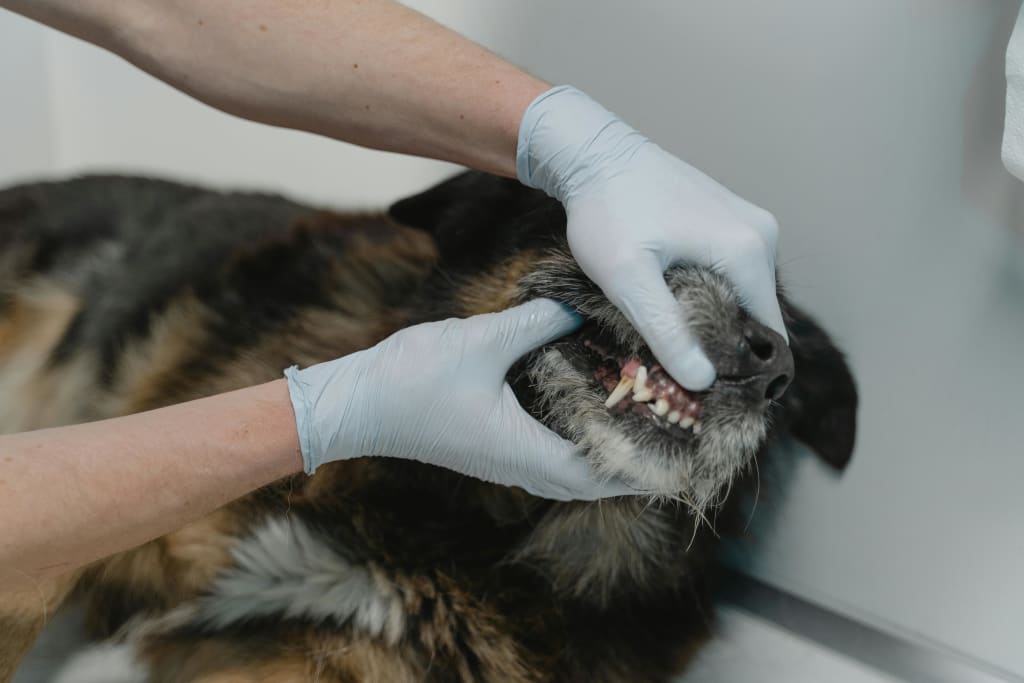
A wagging tail and a happy bark are hallmarks of a healthy dog, but what about their smile? All too often, a dog's oral hygiene is overlooked, yet it is a critical component of their overall well-being. Dental problems in dogs are not just common; they are pervasive. The American Veterinary Medical Association (AVMA) reports that by the age of three, most dogs show some evidence of periodontal disease.
This isn't just about bad breath or yellow teeth. Poor dog dental health can lead to severe pain, tooth loss, and even systemic infections affecting vital organs like the heart, liver, and kidneys. Understanding the signs, causes, and preventative measures is one of the most important responsibilities of a pet parent. This comprehensive guide will walk you through everything you need to know about dental problems in dogs.
Why Dog Dental Health is Critically Important
The mouth is the gateway to the rest of the body. When a dog's mouth is unhealthy, it's teeming with harmful bacteria. This begins with the formation of plaque, a soft, sticky film composed of bacteria, saliva, and food particles. If not removed, this plaque hardens into tartar (or calculus) within 24-48 hours.
Tartar buildup irritates the gums, leading to inflammation—a condition known as gingivitis. This is the first stage of periodontal disease. If left untreated, gingivitis progresses to periodontitis, a more severe condition where the gums pull away from the teeth, creating pockets where more bacteria can thrive.
This is where the systemic risk begins. Bacteria from these infected gums can enter the bloodstream—a condition called bacteremia. These circulating bacteria can travel throughout the body and seed infections in other organs. Studies have shown a clear link between advanced periodontal disease and an increased risk of heart valve infections (endocarditis), as well as microscopic changes in the kidneys and liver. Therefore, maintaining good dog dental health is not just about oral hygiene; it's about protecting their entire body.
Recognizing the Signs: Symptoms of Dental Problems in Dogs
Dogs are masters at hiding pain, so it's up to you to be vigilant. Regular inspection of your dog’s mouth is crucial. Here are the most common signs that your dog may be suffering from a dental problem:
- Halitosis (Bad Breath): This is the most frequently reported sign. While "doggy breath" is common, a persistently foul or unusually strong odor is often a red flag for underlying dental disease.
- Visible Plaque and Tartar: Look for a yellow-brown crust on the teeth, especially near the gum line on the molars and premolars.
- Red, Swollen, or Bleeding Gums: Healthy gums are a uniform pink color (or pigmented, depending on the breed). Any redness, puffiness, or bleeding is a sign of inflammation (gingivitis).
- Difficulty Chewing or Eating: Your dog might chew on only one side of their mouth, drop food, shy away from hard kibble, or show a decreased appetite.
- Pawing at the Mouth or Face: This is a clear indication of oral pain or discomfort.
- Loose or Missing Teeth: In advanced stages of periodontal disease, the supporting structures of the tooth are destroyed, leading to mobility and tooth loss.
- Facial Swelling: Swelling below the eye can often be a sign of a tooth root abscess, which is a painful infection at the root of a tooth.
- Changes in Behavior: Pain can make a dog irritable, lethargic, or reluctant to be touched around the head.
- Excessive Drooling: Sometimes accompanied by tinges of blood.
If you notice any of these symptoms, a veterinary visit is in order.
The Most Common Dental Problems in Dogs
While periodontal disease is the primary concern, dogs can suffer from several other dental issues.
- Periodontal Disease: As discussed, this is the number one dental problem in dogs. It's a progressive disease that starts with gingivitis and can end in significant pain, infection, and tooth loss. Small and brachycephalic (flat-faced) breeds like Pugs, Shih Tzus, and Chihuahuas are particularly susceptible due to tooth crowding.
- Broken or Fractured Teeth: Aggressive chewing on hard objects like bones, antlers, hard nylon toys, or rocks can cause teeth to fracture. A broken tooth is extremely painful and exposes the sensitive pulp cavity, creating a direct pathway for infection to enter the root and jawbone.
- Tooth Root Abscesses: This is a severe, painful infection that develops around the root of a tooth, often following a fracture or advanced periodontal disease. The most common sign is a pocket of swelling on the face, just below the eye. It requires immediate veterinary attention, usually involving tooth extraction or a root canal.
- Retained Deciduous Teeth (Baby Teeth): Sometimes, a puppy’s baby teeth don’t fall out when the adult teeth erupt. This is most common in small breeds. The retained tooth can cause overcrowding, misaligning the adult tooth and creating a space where food and debris become trapped, leading to early-onset periodontal disease.
A Proactive Approach: Prevention and Home Care
The good news is that most dental problems in dogs are preventable. A consistent home care routine is the cornerstone of good dog dental health.
- Daily Tooth Brushing: This is the gold standard for preventing plaque and tartar buildup. Use a toothpaste specifically formulated for dogs (human toothpaste contains ingredients like xylitol, which is toxic to dogs) and a soft-bristled toothbrush or finger brush. Start slowly, making it a positive experience with praise and rewards.
- Dental Diets and Treats: Certain veterinary-approved diets and treats are designed to mechanically scrub the teeth as the dog chews. Look for products with the Veterinary Oral Health Council (VOHC) Seal of Acceptance, which indicates they have met standards for plaque and tartar reduction. The market has also expanded to include innovative functional treats that combine dental benefits with other wellness ingredients. For instance, some CBD dental chews for dogs are formulated not only to help clean teeth and freshen breath but also to promote relaxation and calmness through ingredients like broad-spectrum hemp extract, chamomile, and L-Theanine. These multi-purpose chews can be a great addition to a holistic, preventative care routine.
- Safe Chew Toys: Encourage chewing on appropriate, dental-friendly toys. Rubber toys like Kongs, which can be filled with food, are excellent choices. Avoid items that are too hard, as they can cause tooth fractures. A good rule of thumb: if you can't indent it with your fingernail, it's likely too hard.
- Water Additives and Dental Sprays: These products contain enzymes or antiseptic agents that help reduce bacteria and plaque in the mouth. While they are not a substitute for brushing, they can be a helpful supplement to your dog's oral care routine.
Conclusion: Your Dog's Health is in Your Hands
Your dog's dental health is a window into their overall health. By being proactive and observant, you can prevent the pain and systemic illness associated with dental problems. Combine a consistent home care routine of brushing and appropriate chews with regular professional veterinary cleanings. By taking these steps, you're not just preventing bad breath—you're ensuring your canine companion lives a longer, healthier, and happier life. Check your dog’s mouth today and partner with your veterinarian to create a dental care plan that will keep them smiling for years to come.
About the Creator
Kradle My Pet
Kradle offers natural, CBD-infused pet care for calming, mobility, and digestion—safe, effective wellness for happier, healthier dogs and cats every day.
Keep reading
More stories from Kradle My Pet and writers in Petlife and other communities.
How to Help a Stressed Cat: Signs, Causes, and Solutions
From the outside, a house cat’s life looks like a dream—endless naps in sunbeams and meals delivered on schedule. But beneath that calm exterior, many cats experience significant stress. Unlike dogs, who often show their anxiety in obvious ways, cats are masters of hiding their discomfort. Learning how to help a stressed cat is crucial for their long-term health and happiness. This guide will help you identify the subtle signs of feline anxiety, uncover its common causes, and provide actionable steps to restore peace to your home.
By Kradle My Pet5 months ago in Petlife
Wisteria Woo RIP
Wisteria Woo Silver~Rhodesian Ridgeback Cane Corso mix~ 7.19.15-3.2.26 My service dog, Wisteria, had been slowing down, having mysterious health symptoms like severe hives and unexplained injury. She went to the vet last month, but unfortunately, not all tests detect all problems. When we returned to the vet yesterday, upon much more concerning symptoms suddenly appearing, we learned she had a very large mass (10inx10in) likely the very aggressive hemangiosarcoma, and that we would only be buying a few months if we went through with treatment.
By K.B. Silver 6 days ago in Petlife



Comments
There are no comments for this story
Be the first to respond and start the conversation.