
8 Common Mistakes Made When Training a Dog At Home
Why doesn't the dog listen to its owner?

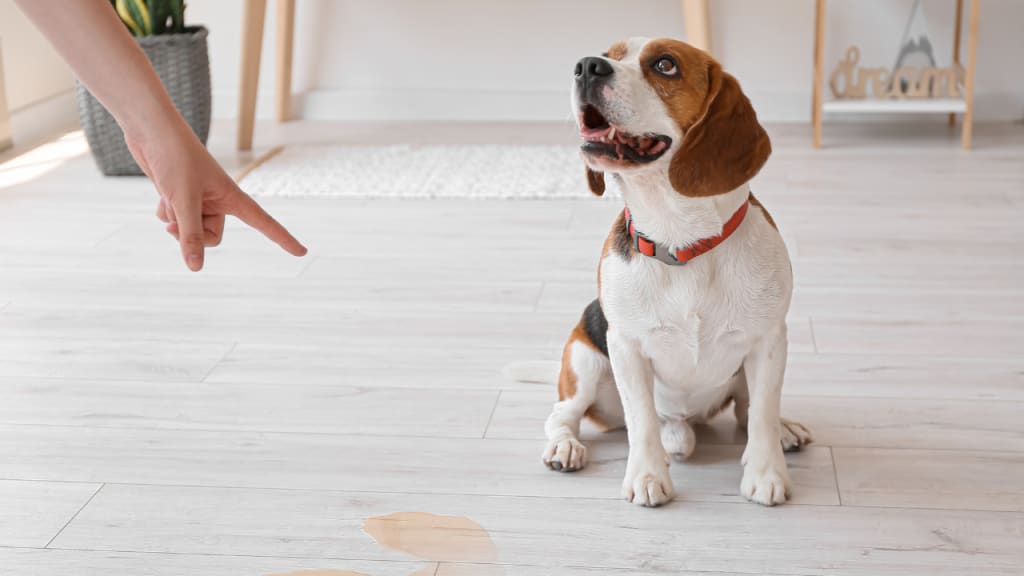
Training a well-behaved and obedient dog is necessary for anyone who owns a dog. However, you may feel that your dog is not listening to you despite training them for a long time.
Here are some common mistakes in the process of training a dog at home. Let's check to see if you have encountered any of these errors.
1. Delaying puppy training

Training a puppy should be started as soon as the puppy comes home, regardless of their age. Don't wait until your dog grows up and develops bad habits, as it will be difficult to adjust or change their old habits and behaviors.
Start with basic lessons, such as calling their name, sitting, lying down, going out, coming in...and help your puppy become proficient in those commands. The initial stage is when you gradually build trust with your puppy, assert your position as the pack leader, and gradually get them used to listening to your commands.
2. Inconsistent training
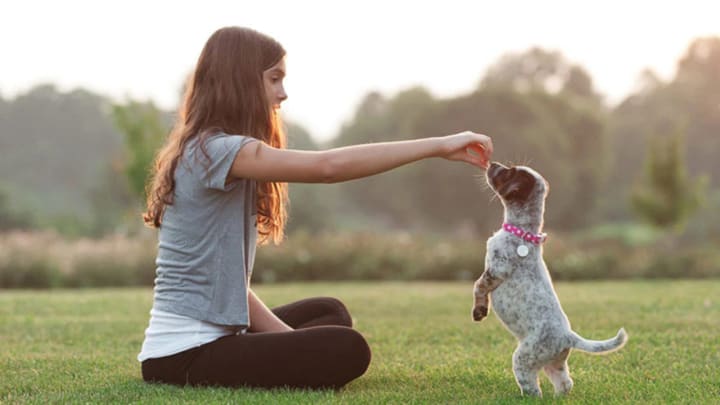
To effectively train your dog at home, you need to maintain regular training sessions. For each command, you need to teach your dog until they become proficient, don't abandon or switch to a new command because you think they can't learn.
In addition, you should spend at least 30 minutes each day to review old commands and teach new ones to your dog. Consistent training helps your dog stay sharp, quick, and familiar with your commands.
3. Lack of understanding about the breed of dog you own
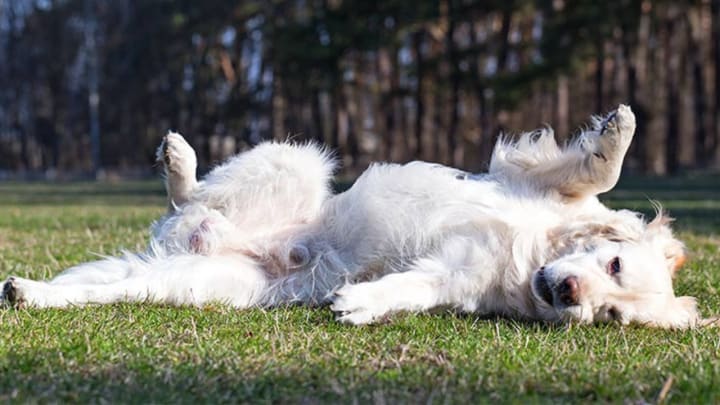
Each dog may require a different training method depending on their personality and breed characteristics. There are many successful home dog training methods, but they may not be suitable for your particular dog. For example, you cannot train an Alaska or Golden Retriever to attack as their genes make them friendly and gentle, or you may be able to train a Husky to guard your home as they do not distinguish between strangers.
4. Unclear training commands
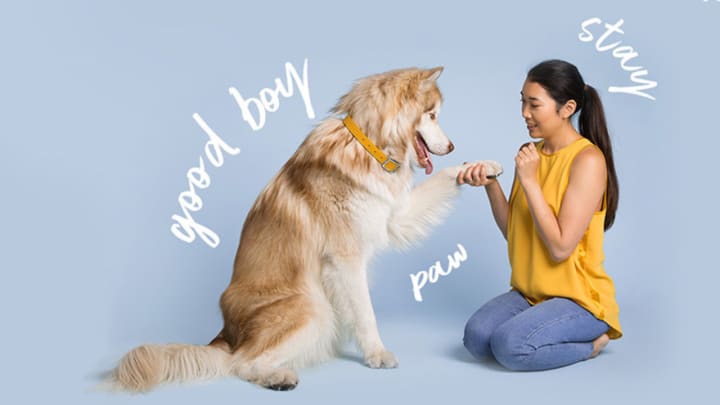
Consistency and clarity in dog training are extremely important. When you give inconsistent commands, it can confuse your dog and they may not learn the command at all. For example, if you don't allow your dog to sit on the sofa, but then call them up to sit with you on the sofa, they may not understand whether or not they are allowed to do so.
5. Using harsh punishment
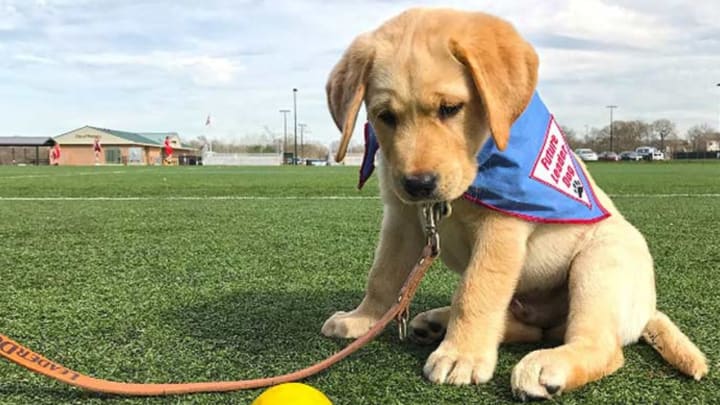
During the process of training your dog at home, you will certainly encounter frustrating moments when your dog doesn't perform or cooperate, and you may not be able to control your emotions and end up yelling, hitting, or even tying up your dog. It is essential to limit this behavior, as your dog is just a dog and all learned behaviors are formed through habits. Harsh punishments will only make your dog fearful, resentful towards training, or even more aggressive towards you.
If you feel that you are losing control of your emotions, stop and wait until you regain your composure. Additionally, it is important to avoid training guard dogs when you are in a bad mood or easily irritable. Actions taken when emotions are not good can lead to negative consequences for both your dog and yourself.
6. Overlooking small behaviors of the dog
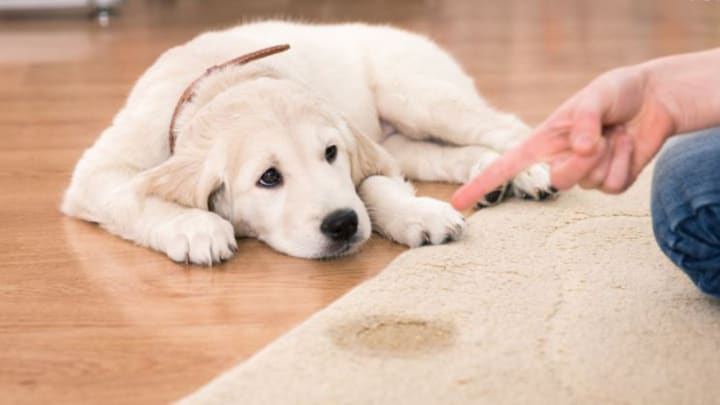
Your dog will not know that they have done something wrong unless you immediately show them that they have made a mistake by giving them a command to stop. Therefore, it is necessary to monitor the behavior of your guard dog and adjust it immediately.
If you see your dog defecating inside the house, immediately show them that they have done something wrong and guide them to the proper place to relieve themselves. Similarly, if your dog is chewing on a pair of shoes, give them the command to stop immediately. Don't assume that this behavior is just a bad habit that they will grow out of; when they grow up, this bad habit may become even more serious.
Show love at the right time and be strict at the right place. If your dog makes a mistake, be strict and make them do it again until they do it correctly. Never "turn a blind eye" and assume that if they make a mistake once, they will do it right next time, as this can result in your dog no longer obeying your commands.
7. Overusing food and treats as rewards during training
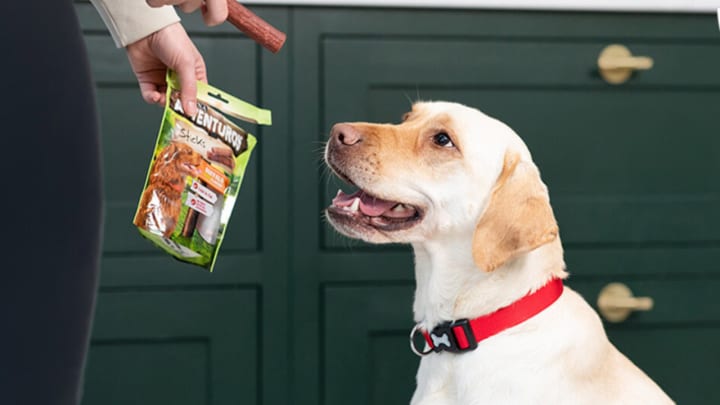
The reward is only a factor to motivate your dog during the training process, don't turn it into a requirement when teaching your dog. Many dogs only obey commands when there is a reward such as food, treats... If there is no reward, they won't listen at all. This is a mistake in the process of training a pet dog that you need to avoid from the very beginning.
Try to replace food and treats with praise and petting for your dog every time you train them.
8. Training without affection towards the dog.

Finally, truly show love for your guard dog and train them with love, hoping they become more obedient and listen better.
Dogs are emotional creatures and they can completely sense your love. Then, they will try to please you by following your commands.
If you don't train your guard dog with love, you will have a hard time succeeding.
Here are 8 mistakes commonly made when training dogs at home, hoping that this article is useful for you and wishing you success in training your beloved dog at home. You can refer to our dog training methods here >>>>
About the Creator
Velveteen Lop Rabbit Lifespan Size Color Diet and Interesting Facts
As we know when people assume Velveteen Lop Rabbit many time the sweet story of the Velveteen Rabbit comes to mind. The name of this breed is not taking from any rabbit, but the book The Velveteen Rabbit have a very cute, sociable, and friendly nature.
By Rabbits Advisor2 days ago in Petlife
Helping Your Elderly Cat Who's Going Blind
When Your Cat Loses Its Sight It can be heartbreaking to watch your beloved kitty go blind. When my cat started to go blind, it was really hard to watch her bump into walls, not to mention the constant loud meowing, which made her sound like she was in excruciating pain. She wasn't. However, she was very confused and scared.
By Janis Masyk-Jackson4 days ago in Petlife


Comments
There are no comments for this story
Be the first to respond and start the conversation.