
How to Train a Puppy to Eat at the Right Time
Why is it important to schedule meals for your puppy?

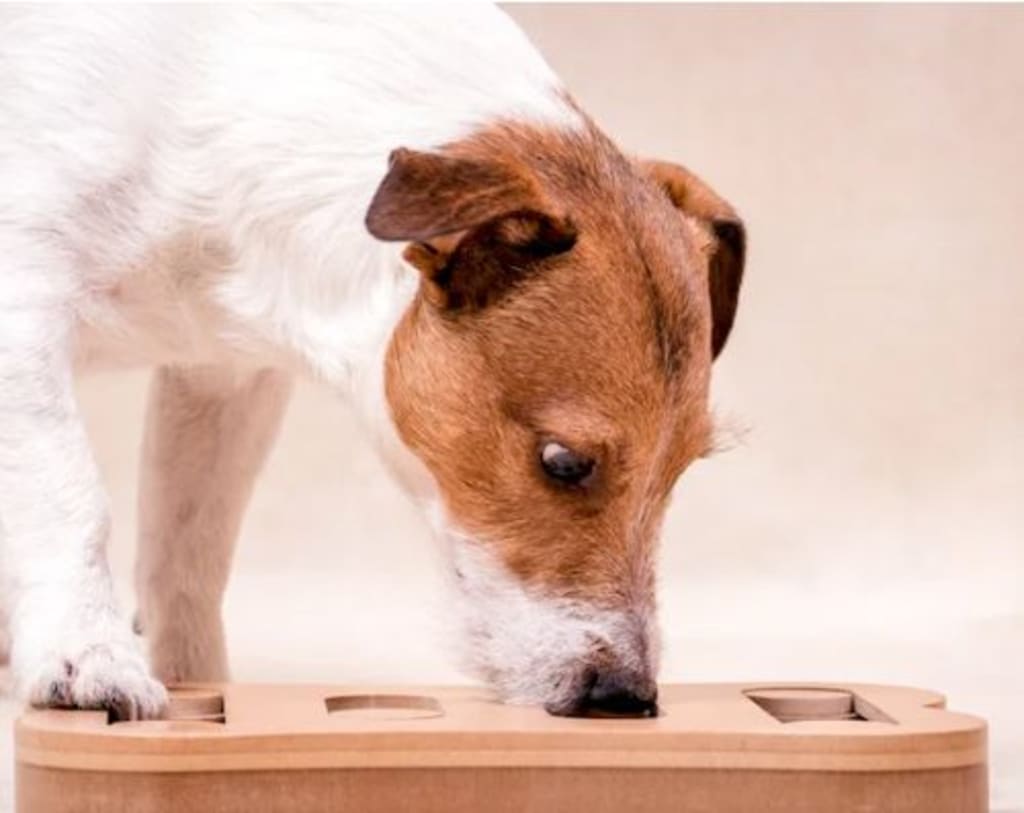
Are you tired of your puppy not eating at the right time? Do you encounter problems with your puppy's lack of appetite or overeating? Regardless of the breed, training your puppy to eat at the right time is essential. The following article will help you learn effective techniques for training your puppy to eat on schedule.
Why is it important to schedule meals for your puppy?
As you may know, puppies are often confined indoors for several hours without being able to relieve themselves. Therefore, by scheduling meals for your puppy at specific times, you can regulate their bathroom habits. Additionally, training your puppy to eat at the right time prevents them from overeating and ensures they receive proper nutrition. Small puppies kept indoors are prone to weight issues caused by excessive eating.
Moreover, training your puppy to eat on a schedule helps them adapt, reducing your worries when you're away.
Creating an Ideal Feeding Schedule for Training
To establish an ideal feeding schedule for your puppy, you should have at least three meals a day and measure the food each day at the same time. For example, you can feed your puppy the first meal around 7 a.m., the second meal at noon, and the third meal at 5 p.m.
Dividing the meals into smaller portions allows for more frequent adjustments in your puppy's metabolism, helping them maintain consistent energy levels throughout the day. It's also important to find the best time for your puppy to eat and create a schedule that aligns with your daily routine.
Here's an example of a three-meal feeding schedule for your puppy:
6:30 a.m.: Wake up, go for a walk/exercise.
7 a.m.: Feed breakfast/first designated meal.
12 p.m.: Feed lunch/second designated meal.
6:30 p.m.: Feed dinner/third designated meal.
8 p.m.: Take them for a walk/stroll.
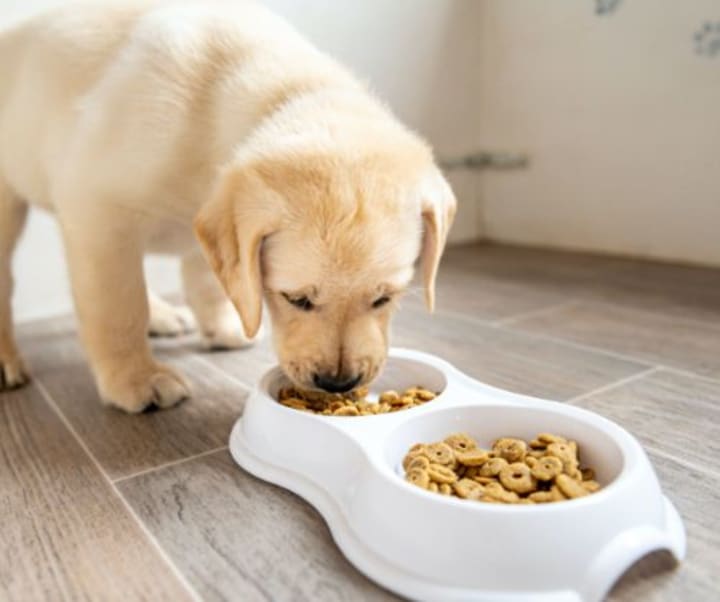
How much should your puppy eat?
To ensure your puppy receives the appropriate amount of food according to their current body weight, you should consider this as one of the criteria for evaluating their overall condition. While there's no specific rule, determining the right amount for your puppy is crucial for their balanced development, avoiding rapid growth or obesity.
The food you choose for your puppy may have guidelines indicating the recommended amount based on their body weight. This allows you to make necessary adjustments. If you notice your puppy gaining excess weight, reduce their daily food intake while maintaining the same feeding schedule. Additionally, increase their exercise by taking them for regular walks or swimming sessions to support their ongoing development.
Discover the 21 Best Training Methods for Dogs Here >>>>
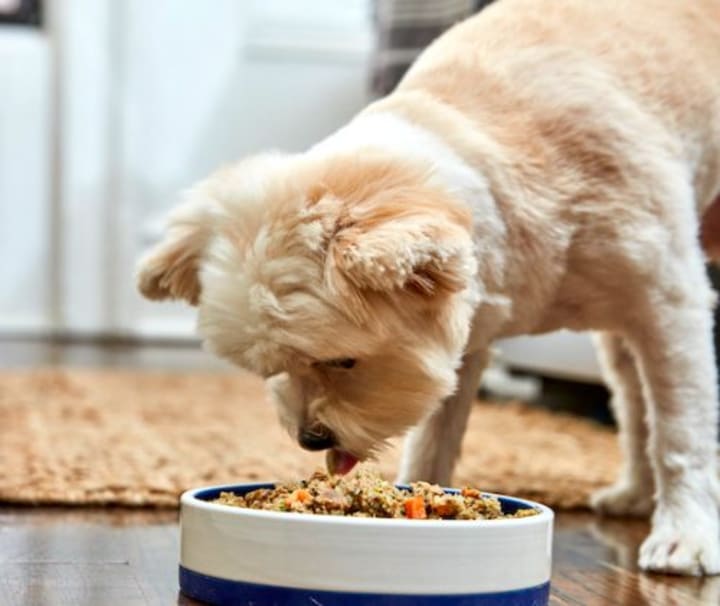
How to feed your puppy?
To train your puppy to eat at the right time, always provide them with a nutritious diet that supports their optimal growth. Ensure their food contains essential nutrients such as protein, fats, and calcium to promote muscle and bone development.
Here are some important nutrients to consider:
Protein: Puppies in the weaning stage require the highest protein intake, so timely supplementation is essential.
Fats: Since your growing puppy needs a diet rich in essential fatty acids, choose food that contains an adequate amount to facilitate the transportation of vital vitamins.
Calcium and phosphorus: To support bone development, puppies need more calcium and phosphorus than adult dogs.
Additionally, other vital nutrients include carbohydrates, copper (a mineral supplement), and amino acids (arginine, phenylalanine, and tyrosine).
We hope this article has provided you with valuable information on training your puppy to eat at the right time, reducing any inconvenience that may affect your daily life.
Furthermore, to make the best choices for your puppy's food, seek a reputable manufacturer that ensures high-quality nutrition.
About the Creator
A Dart at Dusk
Seconds ago, the sullen sun set on the two of us… my exuberant furry companion and me. A fresh breeze embraces us, delivering welcome relief from the day’s oppressive heat. His typical stumbling and staggering along — apace with a sloth — has turned into trip-trapping, high-stepping, almost skipping along.
By Angie the Archivist 📚🪶5 days ago in Petlife
Dog vs Cat
For centuries, dogs and cats have shared human homes, hearts, and history. Yet the debate over which animal makes the better pet—dog or cat—remains as lively as ever. This discussion is not about declaring a universal winner, but about understanding two very different species that offer companionship in unique ways. Dogs and cats differ in behavior, emotional expression, care requirements, and their relationship with humans. Choosing between them often reflects a person’s lifestyle, personality, and emotional needs rather than superiority of one animal over the other.
By shaoor afridiabout 10 hours ago in Petlife
Rachel Reviews: The Spiral Archive by Pieter Hendrik
It's difficult for me to know where to start with a review of this book as it was, for me, an entirely unique experience and one that I'll probably never have again. I don't want that to be interpreted as unenjoyable but it has left me scratching my head a little and ruminating on its content, its themes and its characters.
By Rachel Deemingabout 15 hours ago in BookClub




Comments
There are no comments for this story
Be the first to respond and start the conversation.