
7 rule that all dog owners should know during heatwaves
When is it Too Hot to Walk Your Dog?

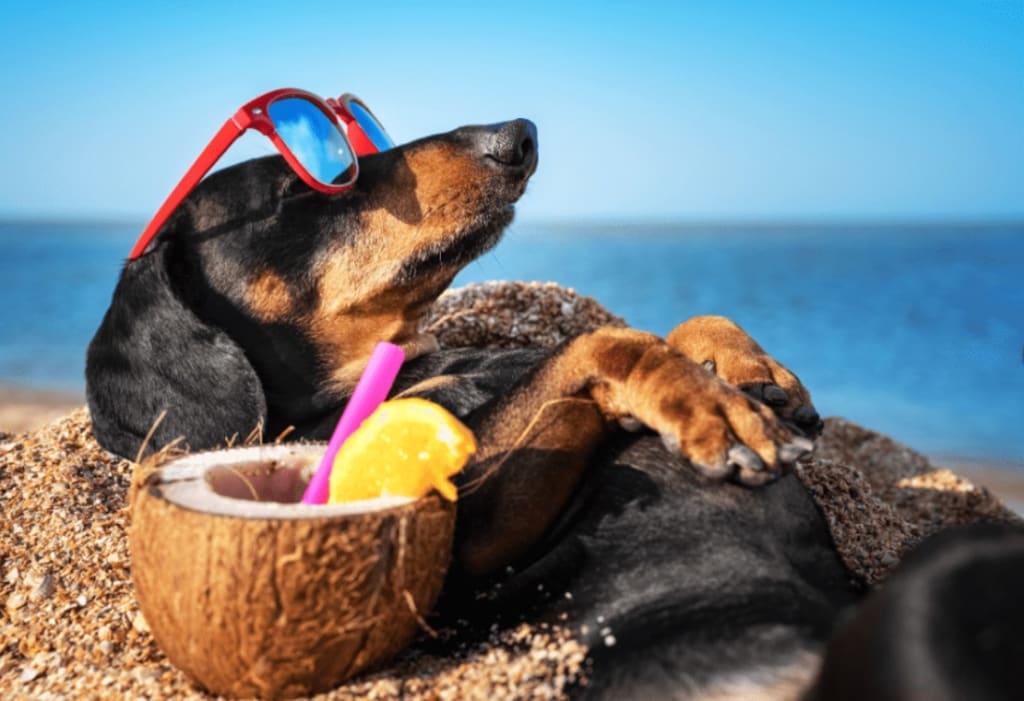
During the scorching heat of summer, caring for your dog's well-being extends beyond providing water and shade. One often-overlooked aspect is the temperature of the ground they walk on, particularly asphalt and concrete, which can become dangerously hot and cause severe burns to your dog's paw pads.
Experts emphasize the importance of recognizing when it's too hot for your dog to walk outside and recommend practical measures to ensure their safety.
The Seven-Second Test: A Simple Measure of Safety
Before venturing out for a walk with your furry companion, consider performing the "seven-second test." This straightforward method involves placing the palm of your hand on the pavement and holding it there for seven seconds.
If you find it uncomfortably hot and need to remove your hand before the seven seconds are up, it's a clear indication that the pavement is too hot for your dog's sensitive paws as well.
Signs of Paw Burns: What to Look For
Recognizing the signs of paw burns is crucial for early intervention and prevention of further discomfort or injury to your dog. Here are the key indicators that your dog's paw pads may have been burned:
Limping or Refusal to Walk:
If your dog suddenly starts limping or shows reluctance to continue walking, it could be due to pain or discomfort in their paws.
Excessive Licking or Chewing:
Dogs may lick or chew at their paws as a response to pain or irritation caused by burns.
Darkened Paw Pads:
Normally pink or light-colored paw pads appearing darker than usual could indicate burns or inflammation.
Missing Part of the Paw Pad:
Visible damage to the paw pad, such as missing tissue or a roughened surface, suggests potential burns.
Burn Marks:
Directly visible burns or discoloration on the paw pads are clear signs of contact with excessively hot surfaces.
Blisters or Redness:
Presence of blisters, sores, or red patches on the paw pads indicates severe burns and requires immediate veterinary attention.
Immediate Steps to Take
If you notice any of the above signs after a walk on hot pavement, take these immediate steps to alleviate your dog's discomfort and prevent further injury:
Cooling Measures: Immediately move your dog to a cool, shaded area. You can apply a cool, damp towel to their paws to help reduce heat and soothe any inflammation.
Hydration: Offer your dog plenty of fresh water to drink, as they may be dehydrated from exposure to heat.
Veterinary Consultation: Contact your veterinarian promptly if you observe signs of paw burns. They can provide appropriate treatment and advice tailored to your dog's condition.
Preventing Paw Burns: Tips for Responsible Dog Owners
Taking proactive measures to prevent paw burns is essential for ensuring your dog's safety and well-being during hot weather:
Choose Optimal Walking Times: Schedule walks during the cooler parts of the day, such as early morning or late evening, to minimize exposure to hot pavement.
Seek Shaded Areas: Whenever possible, walk your dog on grassy or shaded paths rather than on asphalt or concrete surfaces.
Use Protective Measures: Consider using dog booties or paw wax designed to protect paw pads from hot surfaces. These can provide a barrier between your dog's paws and the ground, reducing the risk of burns.
Monitor Surface Temperature: Be mindful of the temperature of the ground your dog walks on. Use the seven-second test regularly to gauge whether it's safe for them to be outside.
Educate Others: Spread awareness among fellow dog owners and community members about the risks of hot pavement and the importance of paw protection.
As responsible pet owners, safeguarding our dogs from the hazards of hot pavement is a fundamental part of caring for their health and well-being.
By understanding the signs of paw burns, performing the seven-second test, and taking preventive measures, you can ensure that your dog enjoys safe and comfortable walks year-round.
Remember, your vigilance and proactive actions can make a significant difference in keeping your beloved pet healthy and happy, even during the hottest days of summer.
Taking these steps not only protects your dog's paws but also strengthens the bond between you and your canine companion, ensuring many more enjoyable walks together in the future.
About the Creator
Sen Sab
Join me in exploring the extraordinary in the ordinary, and let's dive deep into the realms of imagination and understanding together
Velveteen Lop Rabbit Lifespan Size Color Diet and Interesting Facts
As we know when people assume Velveteen Lop Rabbit many time the sweet story of the Velveteen Rabbit comes to mind. The name of this breed is not taking from any rabbit, but the book The Velveteen Rabbit have a very cute, sociable, and friendly nature.
By Rabbits Advisor3 days ago in Petlife
Helping Your Elderly Cat Who's Going Blind
When Your Cat Loses Its Sight It can be heartbreaking to watch your beloved kitty go blind. When my cat started to go blind, it was really hard to watch her bump into walls, not to mention the constant loud meowing, which made her sound like she was in excruciating pain. She wasn't. However, she was very confused and scared.
By Janis Masyk-Jackson5 days ago in Petlife



Comments (1)
nice story