
6 Tips for Building Trust With a Rescue Dog
Adopting a rescue dog is an extremely gratifying task

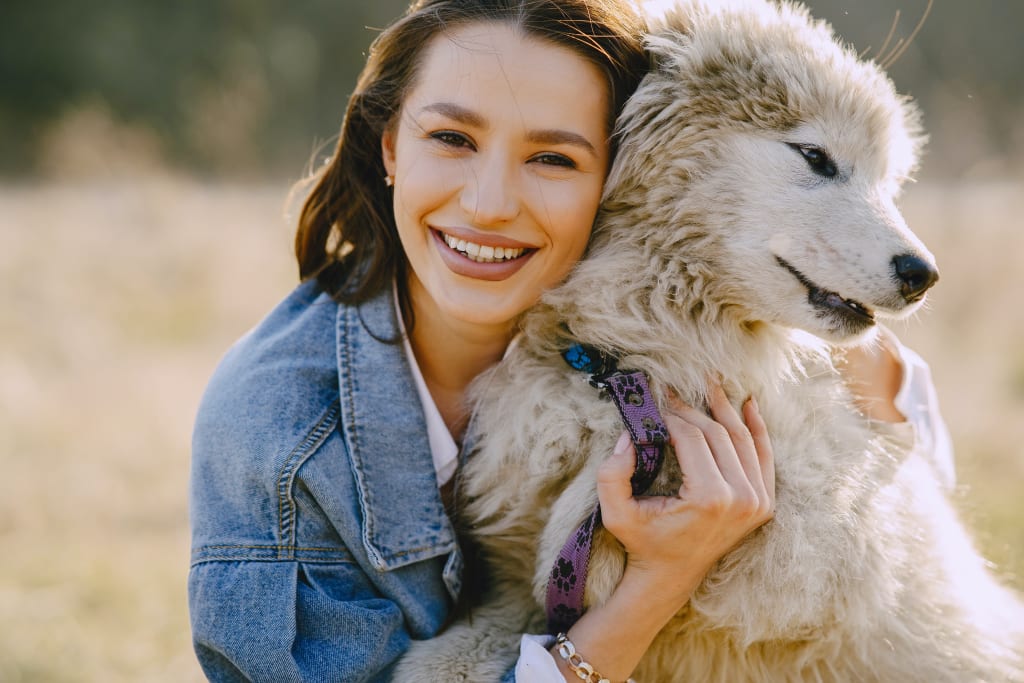
Adopting a rescue dog is an extremely gratifying task. Not only are you gaining a new furry friend, but you're also providing a home for an animal in need. This pup will likely become an amazing buddy, but trust will need to be established first. Rescue dogs often have past experiences that caused attachment issues. So, here are six tips for creating trust between you and your rescue dog.
Be Energized
The first thing you need in order to build trust is to have energy. This isn't to say that you should be running around your dog. In fact, it's best to be extremely calm and collected so the pup isn't scared. However, energy is needed to provide as much attention and care as possible. At best, you'll be able to comfort your new friend at any time of day. If you're having difficulty finding this vitality, consider locating items like Le-Vel's Thrive energy product. If you want to know more, search for "what is thrive" or for information on other items.
Allow Freedom
Rescue dogs are often used to confined environments. These pets were likely ordered around all day and forced to behave. In order to build trust, you need to show your friend that you don't expect complete obedience. Let your dog roam outside of a cage for the majority of the day. Allow the pup to dictate what activities should occur. For instance, if your dog approaches you with a toy, this is a large step in confidence. Take a break if possible to encourage this behavior. Most importantly, don't overly punish bad behavior. Find the calmest means of reproach you can use.
Give Support
Nurturing a relationship with a rescue dog necessitates physical affection. It's unlikely that the pup was given much, if any, attention at a former home. The most essential part of this step is consent. This may sound silly since your dog can't provide spoken consent. However, it's important that your pet sees you coming and doesn't look skittish. Your friend may have been physically abused, so sudden touching won't be appreciated. Once you can tell that affection would be appreciated, provide as much as possible.
Provide Company
Whatever you do, don't force your new pet into isolation. Rescue dogs often have experiences involving forced seclusion, which is akin to torture. Even if you don't want to let your dog onto furniture, avoid keeping the canine away from you. Make an effort to use a dog cage for a short portion of the day. Let your new friend make up for previous loneliness by sticking around you.
Show Leadership
Dogs are known to seek out leaders, particularly ones that give protection. Your new friend will be much more comfortable once you display your leadership. Show protective instincts toward your pet. Try to be there if an issue occurs. You'll be able to read your pet's emotions more fully as time goes by, so be sure to respond to said feelings. Don't be demanding, but make it clear that you are the caregiver.
Pamper Your Friend
Every pet has a toy or activity that never fails to lift his or her spirits. If nothing stands out to you, experiment with what your dog loves doing and playing with. Try to avoid forcing new toys into the rotation. If no interest is shown, don't pursue it. Instead, focus on what the pup displays love for. Take the time to engage in this activity in order to keep your furry friend joyful.
Any good pet owner knows that a dog deserves a loving environment. Being able to provide one for an abused animal is a wonderful opportunity. Building trust may take time, but the effort is well worth the payoff. The main task to remember is being present and attentive at any time you're needed. If you show affection then it may soon be shown to you.
About the Creator
Keep reading
More stories from Mia Morales and writers in Petlife and other communities.
Dangerous Animals and Insects: Keep Your Pets Safe
Our pets love the outdoors. It is no surprise! It is the primal nature of all animals. It is also important to keep our pets safe from harm while they venture. Even a quick stroll or trip out to the bathroom can end up being trouble.
By Mia Morales6 years ago in Petlife
A Dart at Dusk
Seconds ago, the sullen sun set on the two of us… my exuberant furry companion and me. A fresh breeze embraces us, delivering welcome relief from the day’s oppressive heat. His typical stumbling and staggering along — apace with a sloth — has turned into trip-trapping, high-stepping, almost skipping along.
By Angie the Archivist 📚🪶4 days ago in Petlife
Speechless Mohsen
The Loyal Dog: A Lesson in Love and Faithfulness Aamir had grown up living with his grandparents, and his daily routine revolved around family, school, and their small shop. After finishing his classes at school and the local madrasa, he would hurry to his grandfather’s small general store, carrying lunch from home for his uncle. His uncle, a teacher at a nearby school, would take over the shop in the afternoon, while his grandfather went home to rest. By night, his uncle would manage the shop alone
By Sudais Zakwan3 days ago in Petlife


Comments
There are no comments for this story
Be the first to respond and start the conversation.