
5 Simple Swaps for a More Eco-Friendly Pet Routine
Small Changes That Make a Big Impact on Your Pet’s Health and the Planet


Sustainability isn’t just a human responsibility — it extends to every member of the family, including our pets. In 2025, eco-conscious living is no longer a trend; it’s an expectation. Yet, many pet owners are unsure where to begin when it comes to reducing their furry friend’s environmental pawprint. The good news? Making a positive impact doesn’t require a radical lifestyle overhaul. By choosing eco-friendly alternatives to everyday pet products, you can make meaningful changes that benefit both the planet and your pet’s well-being. From the toys they play with to thbowls they eat from, every swap matters. In this guide, we’ll explore five simple but impactful changes you can make to create a greener, more sustainable pet care routine — no gimmicks, just practical steps that add up.
Swap #1 — Choose Toys Made from Natural or Recycled Materials
Traditional plastic chew toys may be inexpensive, but they come with a hidden environmental cost. Plastics take hundreds of years to decompose, often breaking down into harmful microplastics that contaminate ecosystems. Fortunately, eco-friendly alternatives are now widely available. Toys crafted from natural rubber, hemp rope, recycled cotton, or upcycled fabrics offer a sustainable solution without sacrificing fun. These materials are not only biodegradable or recyclable but are often safer for pets, free from toxic dyes and chemicals found in cheap plastic toys. Brands like Beco Pets and Green & Wild’s offer ranges of durable, eco-conscious toys designed for every pet personality — from aggressive chewers to playful tuggers. By making this simple switch, you're reducing plastic waste and providing your pet with a safer, longer-lasting play experience.
Swap #2 — Ditch Plastic Pet Bowls for Stainless Steel or Bamboo
Plastic food and water bowls are a staple in many homes, but they pose health and environmental risks. Over time, plastic can leach harmful chemicals like BPA, especially when scratched or exposed to heat. Stainless steel, ceramic, or bamboo alternatives provide a safer, more sustainable solution. Stainless steel is durable, easy to clean, and 100% recyclable, while bamboo bowls offer a biodegradable option with a stylish aesthetic. Choosing these materials not only protects your pet’s health but also reduces plastic consumption. Some eco-friendly brands even use recycled materials in their bowl designs, doubling their environmental benefit. A one-time switch to a high-quality bowl can last years, making it a cost-effective, planet-friendly choice.
Swap #3 — Go for Biodegradable Waste Bags (But Read the Labels!)
Every dog owner knows the necessity of poop bags — but standard plastic bags contribute significantly to landfill waste. The market is now flooded with “biodegradable” options, yet many of these products still degrade into harmful microplastics. To make a truly eco-friendly choice, look for bags that are certified compostable, made from plant-based materials like cornstarch or vegetable oils. Certifications like EN13432 or ASTM D6400 ensure the bags will decompose fully in composting conditions. Brands like Beco Bags and Earth Rated offer reliable options. While compostable bags might be slightly more expensive, the environmental payoff is well worth it. If home composting isn’t feasible, check if your local council provides composting facilities for pet waste.
Swap #4 — Switch to Sustainable Pet Food Packaging
Pet food packaging is often overlooked in the sustainability conversation, yet it’s a significant contributor to plastic waste. Many brands are now recognizing this issue and shifting towards recyclable or compostable packaging. Opt for companies that use paper-based bags, biodegradable liners, or packaging made from recycled materials. Some brands even offer bulk-buy refill stations to minimize single-use packaging altogether. Supporting these eco-conscious businesses helps drive demand for sustainable packaging innovations, encouraging industry-wide change. When possible, combine sustainable packaging with locally sourced or organic pet food options to further reduce the carbon footprint associated with production and transport.
Swap #5 — Support Brands Committed to Ethical Sourcing
Eco-friendly pet care isn’t just about the products; it’s about the practices behind them. Ethical sourcing ensures that materials are harvested responsibly, workers are treated fairly, and environmental impacts are minimized. Brands that commit to transparency in their supply chains often go the extra mile with eco-friendly packaging, sustainable materials, and cruelty-free production methods. While these products may come at a premium, the added cost reflects their genuine commitment to sustainability. Look for certifications such as Fair Trade, GOTS (Global Organic Textile Standard), or PETA-approved vegan labels. By consciously choosing where your money goes, you support businesses that align with your values and promote positive change in the pet industry.
Creating an eco-friendly pet routine doesn’t require perfection — it’s about making better choices, one step at a time. Each swap, from the toys you buy to the bowls you use, contributes to a collective effort in reducing our environmental footprint. Small, mindful changes can lead to significant impacts over time. For more ideas, product suggestions, and sustainable pet care guides, resources like EcoFurball.com are dedicated to helping pet owners navigate their eco-conscious journey. Together, we can create a greener future — one pawprint at a time.
About the Creator
Ecofurball
🌿 EcoFurball is your guide to eco-friendly pet products, sustainable care routines, and low-waste living for animals and their people.
🐾 Explore the full blog at EcoFurball.com for green pet tips, product reviews, and more.
Keep reading
More stories from Ecofurball and writers in Petlife and other communities.
Understanding the Causes, Symptoms, and Treatment Options for Colitis in Dogs
Colitis in dogs is a common gastrointestinal condition that affects the large intestine (colon). When the colon becomes inflamed, it can lead to uncomfortable and sometimes alarming symptoms for your pet.
By Dominion Valley Animal Hospital6 days ago in Petlife
30 Days in a Shelter
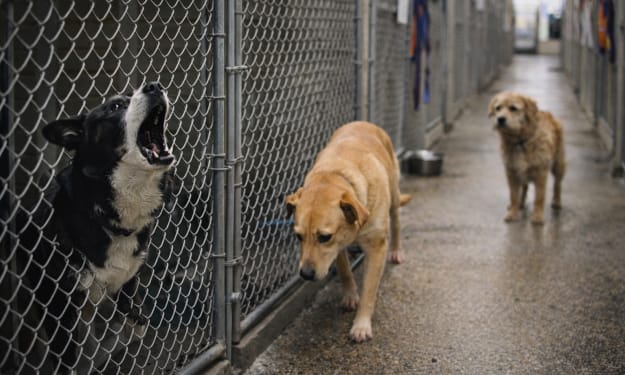
By day 3, the barking changes. The first 48 hours are chaos. Intake processing. New smells. Metallic doors slamming. By day 3, some dogs bark constantly. Others stop almost entirely. One paces the kennel line until the pads on his feet redden. Another stands motionless, eyes half-lidded, ignoring visitors.
By Dr. Mozelle Martina day ago in Petlife



Comments
There are no comments for this story
Be the first to respond and start the conversation.