
10 Dog Boarding and Training Advantages in One Consistent Location
How shared environments make dog boarding and training more effective
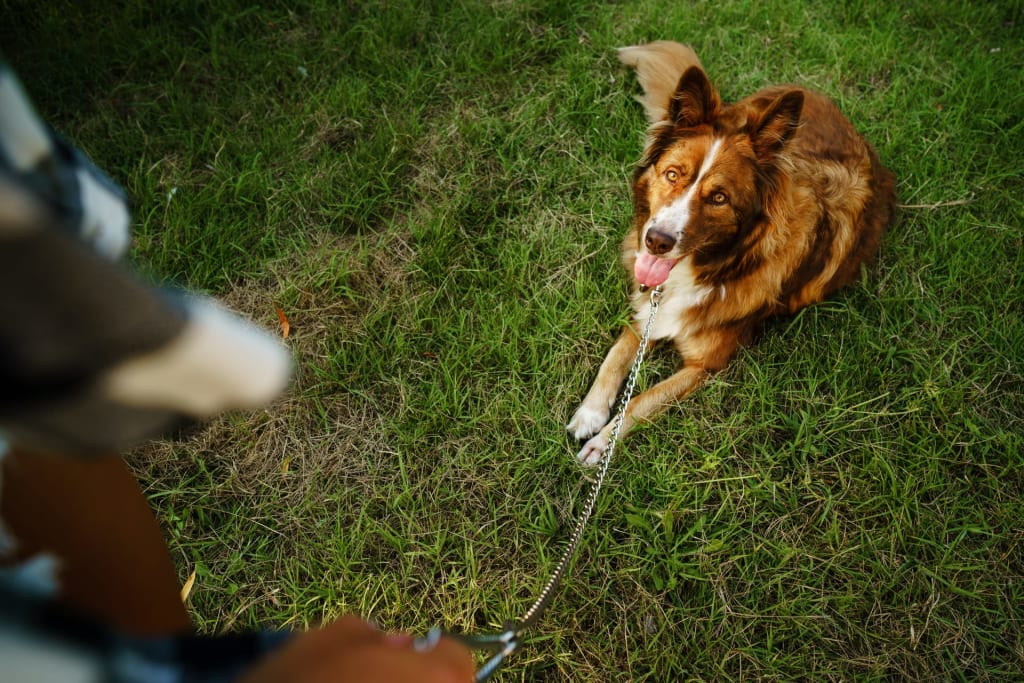
Dogs learn most effectively when their surroundings, caregivers, and daily structure remain stable. Keeping dog boarding and training under the same roof allows dogs to develop behavioral consistency, reduce stress, and adapt more comfortably. The repetition and familiarity within one location provide a strong base for dogs to absorb new skills. A steady environment helps reinforce lessons throughout the day, not just during structured sessions.
Why Dog Boarding and Training Work Better in Unified Settings
Dogs often struggle when they move between multiple care providers for boarding, training, and grooming. A recent example involved a shy mixed breed with leash reactivity and a fear of new people. After staying at one integrated facility, the staff was able to consistently work on socialization, impulse control, and leash etiquette during walks, meals, and grooming. By removing constant changes, the dog began to respond with greater confidence and showed steady improvement.
- Consistent locations create familiarity that lowers reactivity.
- Repeated contact with handlers leads to quicker trust-building.
- Predictable routines allow for smoother progress tracking.
1. Lower tension from reduced environmental changes
Dogs exposed to new surroundings too frequently often become overstimulated or shut down. Keeping training and boarding in the same space minimizes those stressors. With a steady environment, dogs feel more relaxed and are quicker to engage with learning.
- Stable surroundings support better emotional regulation in dogs.
- Lower stress levels improve a dog’s ability to focus during sessions.
- Familiar settings help dogs sleep better, which boosts cognitive function.
2. Daily structure builds reliable habits
Dogs respond well when commands are tied to specific parts of the day. Using phrases like “leave it” during feeding or “place” before rest creates context for those actions. These daily cues become second nature over time, especially when repeated consistently.
- Associating commands with routines strengthens behavioral recall.
- Regular practice during consistent times promotes better comprehension.
- Structured schedules decrease unpredictability, which helps calm reactive dogs.
3. Frequent interaction increases training momentum
Dogs make quicker progress when they revisit lessons multiple times each day. Whether it’s waiting at doors or walking calmly past distractions, regular practice reinforces what’s being taught. This ongoing repetition strengthens the learning process and reduces regression.
- Repeating skills during real-life scenarios builds muscle memory.
- Short, focused reminders help solidify behaviors faster.
- Everyday moments become learning opportunities when training is embedded into care.
4. Real-world scenarios develop applicable behavior
A quiet classroom doesn’t reflect the situations dogs face at home. Learning to respond amid noise, movement, or interaction with staff prepares them for day-to-day life. Integrated facilities offer a natural way to introduce and manage those distractions.
- Dogs learn to perform behaviors under various levels of stimulation.
- Exposure to daily stimuli strengthens focus and self-control.
- Calm behavior becomes a habit, not just a response to commands.
5. Grooming becomes a chance to build handling confidence
Grooming often reveals discomfort in dogs unfamiliar with touch or restraint. In a training-focused environment, grooming becomes part of behavioral conditioning. Dogs are gradually introduced to tools and techniques while being guided to remain calm and still.
- Regular exposure teaches dogs to tolerate touch in sensitive areas.
- Training reinforces patience during brushing, bathing, or drying.
- Groomers and trainers work together to reduce fear-based reactions.
6. Full-day observation shapes individualized training
Trainers in combined facilities get to observe dogs during feeding, downtime, walks, and interaction. This insight allows them to make thoughtful adjustments to the training plan and spot challenges early—whether it's food guarding, overstimulation, or withdrawal.
- Observing dogs across contexts leads to more accurate behavior assessments.
- Adjustments can be made quickly based on ongoing observations.
- Customized training supports steady improvement over a full-day routine.
7. Supervised social time builds respectful interaction
Not all dogs benefit from chaotic group play. At a facility where training and boarding are integrated, socialization is planned intentionally. Handlers pair dogs based on compatibility and coach them during play to develop appropriate communication skills.
- Socialization sessions are kept structured to avoid overwhelming shy dogs.
- Handlers intervene to reinforce boundaries and redirect undesirable behavior.
- Dogs develop better social cues through consistent, guided exposure.
8. Consistent reinforcement improves long-term outcomes
Skills learned during training are more likely to stick when they’re reinforced all day. If dogs only receive instruction during a single session, those behaviors may fade. When staff across the entire facility follow the same guidelines, behaviors remain consistent.
- Ongoing support during non-training times helps solidify learned skills.
- Caregivers reinforce expectations during walks, feeding, and rest time.
- Training outcomes improve when behavior isn’t isolated to one part of the day.
9. Coordinated care makes communication easier
Managing care with multiple providers can result in confusion, delays, or missed progress updates. A single facility offering training, grooming, and boarding centralizes everything, giving dog owners a more complete and reliable picture of their pet’s experience.
- Centralized reports keep owners informed about training goals and results.
- Fewer handoffs reduce the chance of inconsistent handling or missed instructions.
- Scheduling is simpler, especially for owners managing busy routines.
10. Familiar faces build trust and support calm behavior
Dogs feel safer and more responsive when they know the people guiding them. Regular contact with the same caregivers lowers fear, builds trust, and supports faster adaptation to routines. Familiar handlers also read subtle cues more accurately, leading to smoother sessions.
- Dogs respond better to training when they feel emotionally secure.
- Familiar handlers recognize early signs of stress or progress.
- Trust leads to a stronger bond that enhances behavior and cooperation.
Key Takeaways: Dog Boarding and Training Advantages in One Consistent Location
Housing dog boarding and training within a shared space gives dogs the emotional consistency and practical repetition they need to succeed. From improved social confidence to calmer grooming experiences, a steady setting helps dogs understand, retain, and apply behaviors across their day. When every interaction becomes a teaching moment, progress is not only possible—it becomes part of daily life.
Frequently Asked Questions
How does a shared boarding and training facility improve behavior?
Dogs get consistent feedback in a predictable environment, which makes it easier to absorb and retain training lessons across all parts of the day.
Can my dog’s grooming behavior improve through training?
Yes. Training techniques applied during grooming sessions help reduce fear and teach dogs to stay still and calm.
Is daily socialization included in board-and-train programs?
Typically, yes. Dogs are introduced to peers based on their behavior style and social comfort, with supervision to ensure safe, productive play.
How long does a dog need to stay in this type of program?
Most dogs benefit from two to four weeks in a board-and-train setup, though progress varies depending on behavior goals.
What kind of updates will I receive from a combined facility?
Owners usually receive progress notes, behavior observations, and photos or videos that show how the dog is responding to training across the full day.
About the Creator
Keep reading
More stories from Piper Burch and writers in Petlife and other communities.
7 Ways Pediatricians Detect Developmental Delays in Young Children
Child development forms the base for future learning, emotional resilience, and social engagement. While most children grow at their own pace, some show signs of delay that, if missed, could affect long-term progress. Your Pediatrician acts as essential guides in spotting these signs early. Their professional evaluations and trusted advice help children get the support they need during the most critical years of growth.
By Piper Burch8 months ago in Families
Keeping your pets safe (and calm) this holiday season
The holiday season may be magical for some humans, but for pets it only means confusion, changed routines, overstimulation, extra noise, guests or pet sitters come and go, and sometimes the festive season means danger for pets.
By Susan Fourtané 18 days ago in Petlife




Comments (1)
I totally get this. I've seen how my dog gets stressed when we change up his routine. Keeping training and boarding in one place makes sense. It gives them a stable environment. How do you think we can make sure new dog owners understand this benefit? Also, I like the idea of using daily cues. Have you tried this with your dog? It seems like it could really help with training. Maybe we can share more examples to show how effective it is.