
Why You Keep Losing Your Momentum (And What To Do About It)
Guard against loss of opportunities, but don't fear impermanence


Intrinsic motivation fades fast
When starting something new like a diet or exercise routine, your intrinsic motivation usually carries you for 1-2 weeks. You feel determined to reach your goal. But intrinsic drive decreases over time, making consistency much harder without extra support.
Habits take the strain off willpower
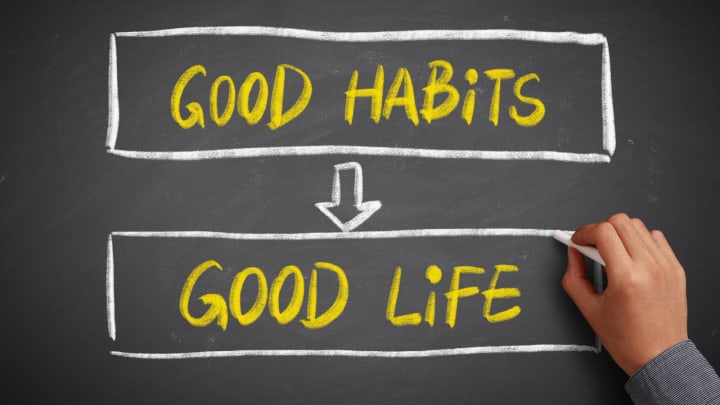
Building healthy habits is effective because it transfers your initial motivation into automatic routines, lessening the mental strain. With triggers and rewards in place, behaviors become second nature instead of relying on fleeting motivation.
Success feels too good to keep private
It's no surprise people enthusiastically advocate habit-building once experiencing its power. When struggle transforms into effortless momentum, you want to share what worked. As one who struggled with consistency but found a solution, blogging about it allowed helping others.
Short-term fixes don't last
While habits seem a permanent solution, most require periodic maintenance to keep running smoothly. Intrinsic difficulties vary by task, but your environment's demands also affect longevity. Vacations disrupt fitness habits. Busy periods stall creative projects. Momentum depends on more than will alone.

Habits satisfy two human needs
To understand habits' limited permanence, recognize any behavior relies on deciding to act plus ability to perform the action. Habits reduce decision fatigue by automating cues and rewards. But some tasks always demand effort, so habits alleviate one barrier more than the other.
Momentum is delicate as a pendulum
Like a pendulum balanced atop its cycle, habits achieve metastability, a fragile stability disrupted by small outside forces. Minor interruptions to routines may reset automaticity, requiring reestablishing the lost momentum. Maintenance matters most around predictable disruptions.
Guard against lost opportunities
To maintain habits long-term, plan for expected interruptions. Placeholder routines keep behaviors present, preventing lengthy breaks that kill momentum. Routine flexibility shields consistency from disturbances. Guard your gains by anticipating forces that can reset all progress.

Share your experiences with consistency
Which habits do you struggle to maintain? What derails routines for you and how do you get back on track? What impactful tactics shield your momentum from outside interferences? Your perspectives can empower others striving for lifelong healthy routines. Please share in the comments!
Maintaining motivation through challenges
Gamifying habit routines through challenges can help maintain motivation over the long run. Setting small goals such as reading for 30 minutes daily or going to the gym 3 times a week adds enjoyable competition that distracts from intrinsic difficulties. Sharing progress with an accountability partner provides social motivation to keep momentum even during disruptions. Challenges remind us of initial motivation on days where willpower feels low.

Finding the right support system
Whether it's an online community, friends, family or fitness buddies, having the right support system makes a huge difference in shielding habits from breakdowns. During busy periods, others can provide encouragement or alternate routines to lessen disruption. Accountable partners take the place of fleeting intrinsic motivation, keeping behaviors consistent until you're back to normal momentum. The social element provides critical extra support for maintaining habits long-term.
Incorporate routines into your identity
Internalizing new behaviors as part of your identity provides powerful protection against lost momentum. Seeing yourself as the kind of person who exercises daily makes it part of who you are rather than a strain of willpower. Broadcasting your identity helps it become reality - updates about reading progress might have others see you as an avid reader. Over time, habits merge with identity so momentum continues automatically through disruptions.
Finding sustainable habits tailored for your lifestyle
Not all routines suit every individual or phase of life. The most impactful habits are those woven seamlessly into your circumstances. Parents might fit exercise around childcare schedules, making routines maintainable long-term. Travelers could focus on portable habits like meditation instead of interrupted gym memberships. As situations change, reassess habits to ensure sustainable momentum. Tailored routines weather disruptions which undermine less compatible behaviors.

For lifelong healthy habits, adaptability is key
Maintaining motivation through challenges, strong support systems, internalizing behaviors as identity and selecting sustainable habits can help shield momentum from breakdowns. While external forces disrupt even the most established routines, these tactics can minimize lost opportunities from interruptions. With patience and flexibility, lifelong healthy habits become second nature. 🤞
About the Creator
Ojo
🔍 I explore anything that matters—because the best discoveries don’t fit into a box...
Keep reading
More stories from Ojo and writers in Motivation and other communities.
Need Over Want: Finding True Joy
Shifting Focus 🔎 You know those days when you feel like you’re just chasing after more? A new phone, a bigger place, or that stylish jacket you’ve been eyeing. It’s easy to get caught up in wanting more, but have you ever stopped to think about what you actually need?
By Ojo2 years ago in Motivation
Alfa Ambir Bagwan: Leading Teams with Technical Expertise and Strategic Vision
In today’s fast-paced professional world, leadership requires a combination of technical understanding, strategic thinking, and the ability to inspire teams to achieve collective goals. Alfa Ambir Bagwan exemplifies this balance, building a career that blends technical expertise with marketing knowledge and strong team leadership.
By Thetribunemedia5 days ago in Motivation
Beyond the Profile: How Influential Women Are Redefining Leadership on Their Own Terms?
Beyond the Profile: How Influential Women Are Redefining Leadership on Their Own Terms The definition of influence is changing. It’s no longer just about a title, a corner office, or a mention in a traditional power list. Today, Influential Women are shaping industries, redefining success, and building communities on their own terms. They are founders, executives, and thought leaders who understand that true leadership isn’t about being covered—it’s about having the authority to share their own narrative.
By influentialwomenmagazineabout 20 hours ago in Motivation


Comments (1)
Thanks for the recommendation