
Why I Stopped Hiding My Panic Attacks and Learned to Ask for Help
How asking for help became my secret weapon for managing them.

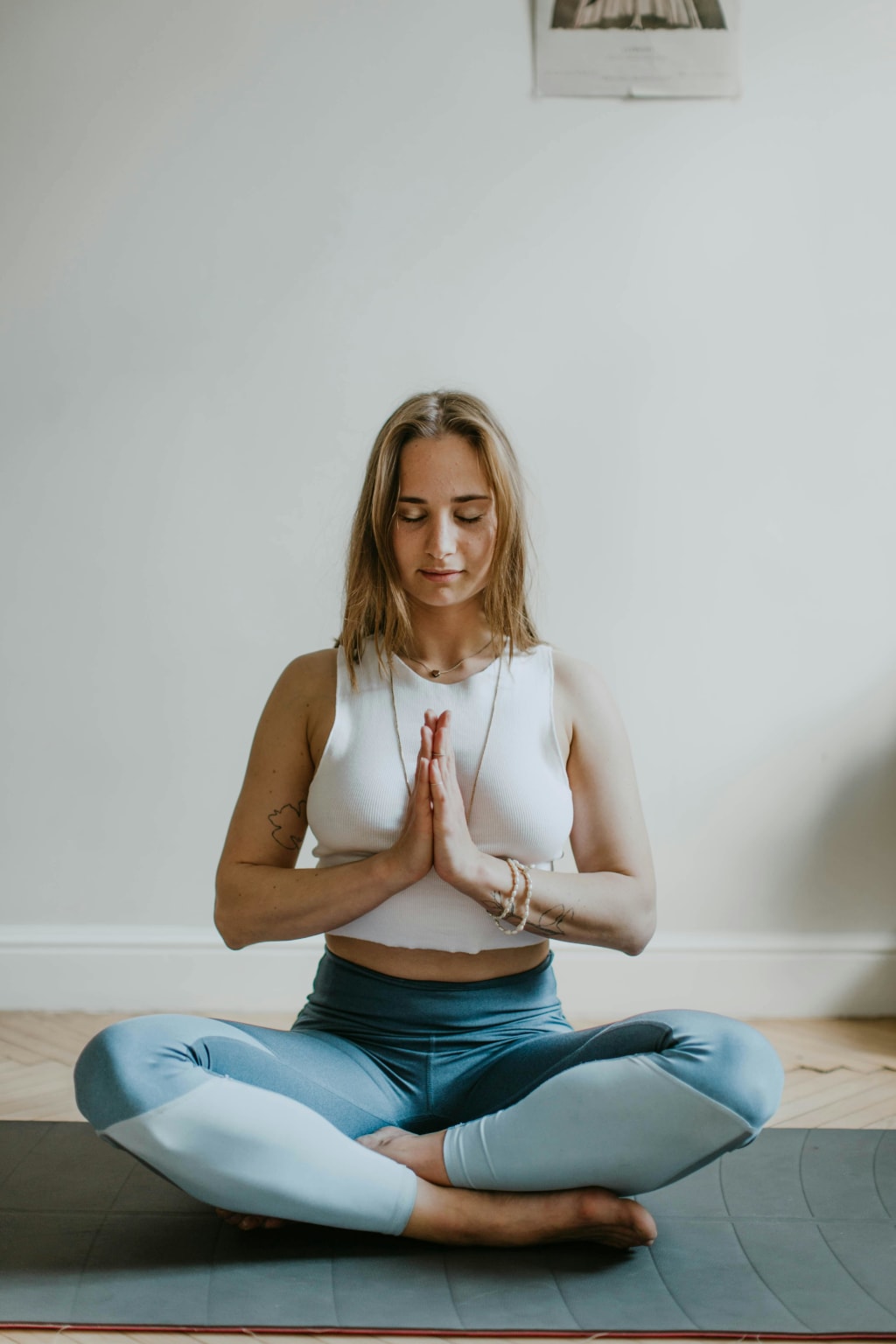
You know that feeling when you’ve just had a panic attack, your chest is still tight, and your mind is buzzing with the aftershock, but on the outside, you’re expected to pretend everything’s fine? Yeah, I’ve been there. Too many times, actually. For years, I struggled with hiding my panic attacks and social anxiety, desperately trying to keep them locked away in a little box that no one could see. But, spoiler alert: that little box? It doesn’t stay shut forever. And eventually, I realized that hiding wasn’t helping me—it was hurting me.
It wasn’t an immediate, earth-shattering realization. I didn’t wake up one day and decide, "Hey, I’m going to start being open about my panic attacks!" No, this was more of a slow burn. But the more I thought about it, the more I realized that being open about my anxiety was actually the key to breaking free from the chains I’d put around myself.
So, let me take you on a journey through my anxiety-filled brain and explain why I stopped hiding my panic attacks and how asking for help became my secret weapon for managing them.
The Shame of "Normal" Expectations
The first time I had a panic attack in front of someone, I tried to hide it. I was at a family gathering, feeling perfectly fine (well, mostly). Then, without warning, my chest tightened, my breath shortened, and I started to feel dizzy. It was like my body was shutting down, and my mind was spiraling into the "what’s happening to me?" zone.
I tried to keep a straight face, hoping no one would notice, but of course, I couldn’t stop fidgeting. My heart raced. I could barely concentrate on anything other than the pounding in my chest and the suffocating feeling in my throat. I excused myself to the bathroom, hoping that if I just calmed down in private, it would pass. But no such luck. It didn’t pass.
As I sat there, trying to breathe like the little manual in my head said to, I couldn’t help but feel embarrassed. Why couldn’t I just be normal? Why couldn’t I just handle this situation like everyone else? Why was my body doing this again?
When I came out of the bathroom, my family was oblivious. They went on with their conversation, laughing and chatting as if nothing had happened. But I couldn’t shake the sense of shame that hung around me. There was a part of me that wanted to tell them what had just happened, but I was terrified of being labeled as “dramatic” or “weak.” So, I didn’t.
I’d been trained by society, by my own brain, to keep things like panic attacks hidden. Mental health struggles weren’t something to talk about. Anxiety was the thing you quietly dealt with on your own, away from the spotlight. That’s what I believed, at least.
But eventually, hiding my panic attacks became exhausting. I started to feel like I was living a double life—one where I pretended everything was fine, and one where I was constantly struggling beneath the surface. That’s a heavy load to carry, my friends.
The Turning Point: Realizing I Wasn’t Superhuman
Fast-forward a couple of years. I had more panic attacks—some in public, some at work, some at home, and even in the middle of a conversation with a close friend. But they were all met with the same reaction: hide it, ignore it, pretend it didn’t happen.
But here’s the thing about pretending: it gets old. So, so old. At some point, I started asking myself, “Why am I doing this? Why am I making this harder for myself?” It was like I was trying to convince myself that I didn’t need help. And, as you can probably guess, that’s a recipe for disaster.
One day, I had an epiphany. Maybe it was because I was exhausted from pretending to be okay, or maybe it was the realization that I was absolutely not invincible (shocking, I know), but I realized something crucial: I wasn’t meant to handle this alone. Panic attacks weren’t something I needed to hide, nor was anxiety something I had to "tough out" on my own.
This realization came after a particularly tough day at work. I had one of those heart-racing, chest-tightening, can’t-breathe panic attacks during a meeting. I felt trapped in my own body, and in that moment, I knew that if I didn’t reach out for help, I was going to lose it.
So, I did something that felt terrifying: I told someone. It wasn’t a huge announcement or anything dramatic, but I simply let my coworker know, “Hey, I’m having a panic attack right now, and I need a minute to step outside.”
And you know what happened? She didn’t think I was crazy. She didn’t judge me. She didn’t act like it was the end of the world. Instead, she calmly said, “Take your time. Let me know if you need anything.”
That moment was a game-changer for me. It was the first time I realized that asking for help didn’t make me weak or dramatic—it made me human. It made me strong, actually. It took courage to admit I wasn’t okay, but in doing so, I gave myself permission to take care of myself. And that’s something I had never done before.
The Benefits of Asking for Help (And Why It’s Not a Sign of Weakness)
Once I started asking for help, the floodgates opened. Well, not literally—no one wants that—but I found that I was surrounded by people who were actually supportive. They didn’t treat me like I was fragile or overly dramatic. They treated me like a person who had a valid, difficult struggle, and they were willing to be there for me. That was a powerful realization.
Asking for help, whether it’s from friends, family, or coworkers, has had several major benefits for me:
1. I don’t feel isolated anymore. For so long, I thought I had to go through this alone. But when I started sharing, I realized how many people could relate. Turns out, panic attacks and social anxiety aren’t as rare as I once thought. Knowing others share this struggle has been a huge relief.
2. It takes the pressure off. I no longer feel like I have to perform or pretend to be “normal.” I can be vulnerable, and that vulnerability has made me stronger. It’s okay to admit when I’m not okay.
3. I get the support I need. When I reached out for help, I received it. Whether it was someone offering to give me space or simply listening to me vent, that support has been invaluable in my healing process. It’s okay to lean on others sometimes.
4. I’m more empathetic to others. Once I embraced asking for help, I became more attuned to the struggles of others. I’m now better at offering support and understanding to people in my life who may also be dealing with their own challenges.
The Moral of the Story: You Don’t Have to Handle It Alone
So, where does this leave us? Well, if you’re reading this and struggling with panic attacks or social anxiety, I have one thing to say to you: You don’t have to go through this alone. You don’t have to hide your struggles or carry them in silence.
Asking for help isn’t a sign of weakness. In fact, it’s one of the bravest things you can do. It takes strength to admit that you’re struggling and to reach out for support. And trust me, there’s no shame in that.
I’m still working on being open about my anxiety, but every time I do, I feel a little lighter. So, if you’re ever in doubt, remember: you’re not alone, and asking for help can be the first step in finding the support you need to navigate this crazy thing called life with social anxiety and panic attacks. And that’s something worth celebrating.
I really appreciate you taking the time to read my story.
If you find it interesting/helpful, please leave a heart, comment, or even subscribe! Your support means a lot to me as a writer!
Until next time!
About the Creator
Victoria Velkova
With a passion for words and a love of storytelling.
Keep reading
More stories from Victoria Velkova and writers in Motivation and other communities.
The Woman Whose Idea Was Rejected — Until It Won the Nobel Prize
We love the cinematic image of a brilliant scientist staring at a chalkboard, suddenly connecting the dots, and being immediately hoisted onto the shoulders of their cheering peers. We celebrate the breakthroughs, the ribbon-cutting ceremonies, and the Nobel Prizes.
By Frank Massey a day ago in Motivation


Comments (1)
Well done it’s hard to try to get better alone ✍️♦️🏆♦️