
Weight loss
Achieving Sustainable Results through Balanced Diet, Exercise, and Lifestyle Changes
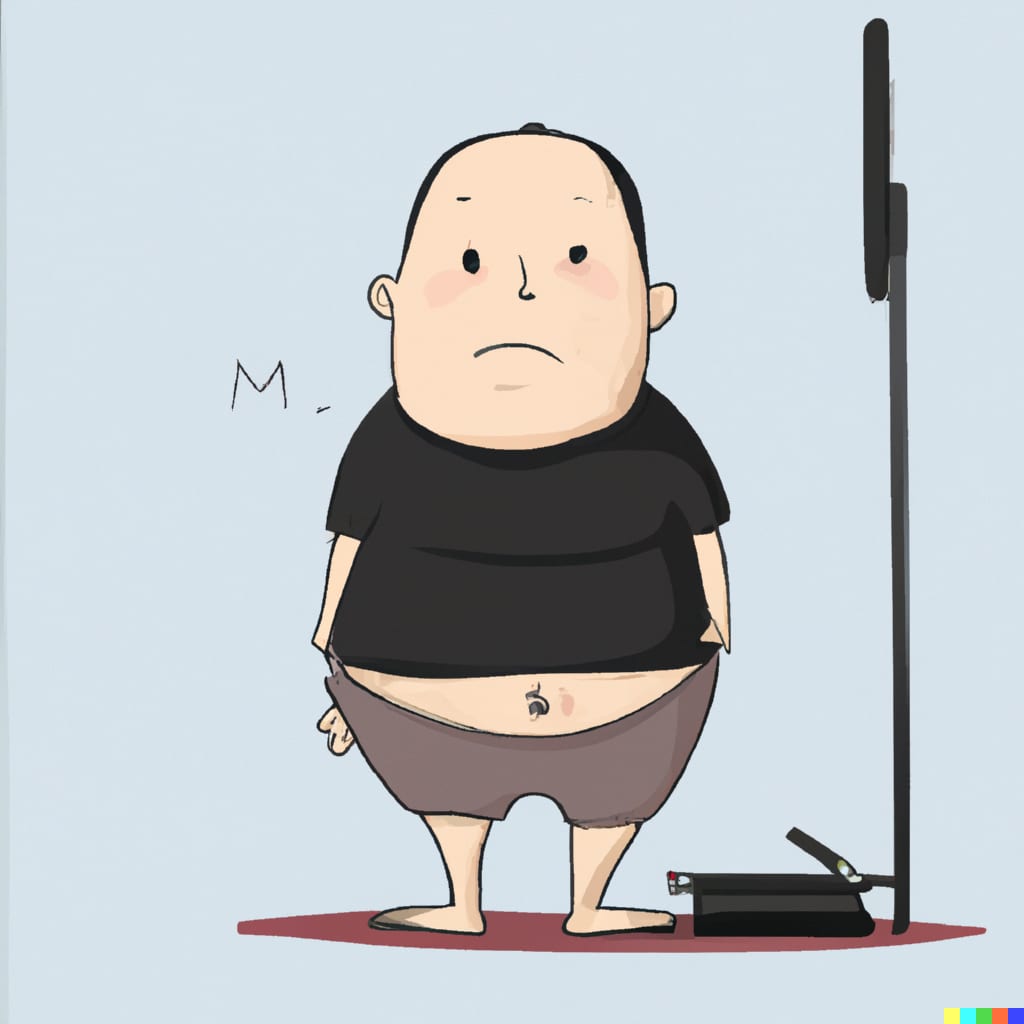
Weight loss refers to the reduction of total body weight, which can be achieved through a combination of diet, exercise, and lifestyle changes. Overweight and obesity have become major public health problems globally and have been linked to numerous health issues including cardiovascular disease, type 2 diabetes, and some forms of cancer.
Diet plays a crucial role in weight loss. Caloric intake must be lower than the number of calories burned to create a calorie deficit, leading to weight loss. A balanced diet, rich in nutrients and low in calories, can help with weight loss. Some dietary changes that can be made include increasing the consumption of fiber-rich foods such as fruits, vegetables, and whole grains, limiting the consumption of sugar, saturated and trans fats, and reducing portion sizes.
Physical activity and exercise are also important for weight loss. Regular physical activity, such as walking, jogging, cycling, or swimming, can help increase the number of calories burned and enhance weight loss. Resistance training, such as weightlifting, can also help increase muscle mass, which can increase the number of calories burned at rest. It is recommended to engage in moderate-intensity physical activity for at least 150 minutes per week.
Lifestyle changes such as reducing stress, getting enough sleep, and managing mental health can also contribute to weight loss. Chronic stress can lead to overeating and weight gain, while adequate sleep and good mental health can improve metabolism and prevent overeating.
Medications and weight loss surgery are also options for weight loss, but should only be considered after trying other methods and under the supervision of a healthcare professional. Weight loss medications work by suppressing appetite, blocking the absorption of fat, or increasing metabolism, while weight loss surgery, such as gastric bypass or lap band surgery, can help severely overweight individuals achieve significant weight loss.
While quick weight loss diets and supplements may promise rapid results, they are often unsustainable and can be harmful to health. Crash diets that restrict certain food groups or limit caloric intake can lead to nutrient deficiencies and slowed metabolism. Supplements and weight loss pills can also have side effects and may interact with other medications.
Maintaining weight loss is a long-term process and requires a commitment to healthy habits. Once a person has reached their weight loss goal, it is important to continue following a balanced diet and engaging in regular physical activity to prevent weight regain. It is also important to be mindful of portion sizes and to avoid overeating.
Weight loss should occur when you eat fewer calories than you use. Increasing physical activity while limiting your calories will help with weight loss and weight maintenance. Talk to your dietitian about your calorie needs to achieve your weight loss goals.
Basic Tips
Be mindful of your daily food intake.
o Keep a written food journal.
o Read food labels to learn serving sizes and calories of foods you eat.
o Turn off the TV and computer during meals and snacks.
o Eat slowly and enjoy the meal.
Make smart food choices. For example:
o Eat breakfast every day and do not skip meals. Skipping meals can lead to
extreme hunger, over-eating, and poor food choices.
o Eat a diet rich in whole grains, vegetables, fruits, lean proteins, and dairy.
o Limit high fat, high sugar foods.
o Decrease your portion size.
o Choose calorie-free, caffeine-free beverages.
o Limit restaurant and fast food meals by cooking at home more often.
Be more active
o Reduce the amount of time you spend sitting. Increase the time you spend
moving each day.
o Use a journal to track your physical activity.
Monitor your progress
o Weigh yourself once per week at the same time of day.
o Keep track of body measurements (waist, hip, thigh, and upper arm).
In conclusion, weight loss can improve overall health and reduce the risk of chronic diseases. A combination of diet, exercise, and lifestyle changes can be effective for weight loss, and it is important to seek the guidance of a healthcare professional for safe and effective weight loss practices. Sustainable weight loss requires a long-term commitment to healthy habits and a balanced lifestyle.
But with The Ultimate Keto Meal Plan you can have an efficace, efficience, and quickly results.
About the Creator
Therealartiste
I am a professional marketer with extensive experience in promoting products and services.
Keep reading
More stories from Therealartiste and writers in Motivation and other communities.
Home Doctor
Home Doctor – BRAND NEW: Revolutionizing Healthcare at Home Home Doctor is a revolutionary new product that is set to change the way healthcare is delivered to people. This new product is a highly advanced and technologically advanced device that can be used in the comfort of one's own home, without the need for a visit to the hospital or doctor's office.
By Therealartiste3 years ago in Humans
What I wish I knew in my 20s as a Muslim
Assulamu Alaykum, I wish I had reminded myself that I’m not meant to be perfect all the time. I just have to try. Same with my daily prayers. They don't have to be perfect right now; I just have to try and work towards what Allah expects of me, little by little.
By Jakayla Toneya day ago in Motivation


Comments
There are no comments for this story
Be the first to respond and start the conversation.