
Water Floods: Causes, Effects, and Safety Measures
Understanding Floods and How to Protect Lives, Property, and the Environment

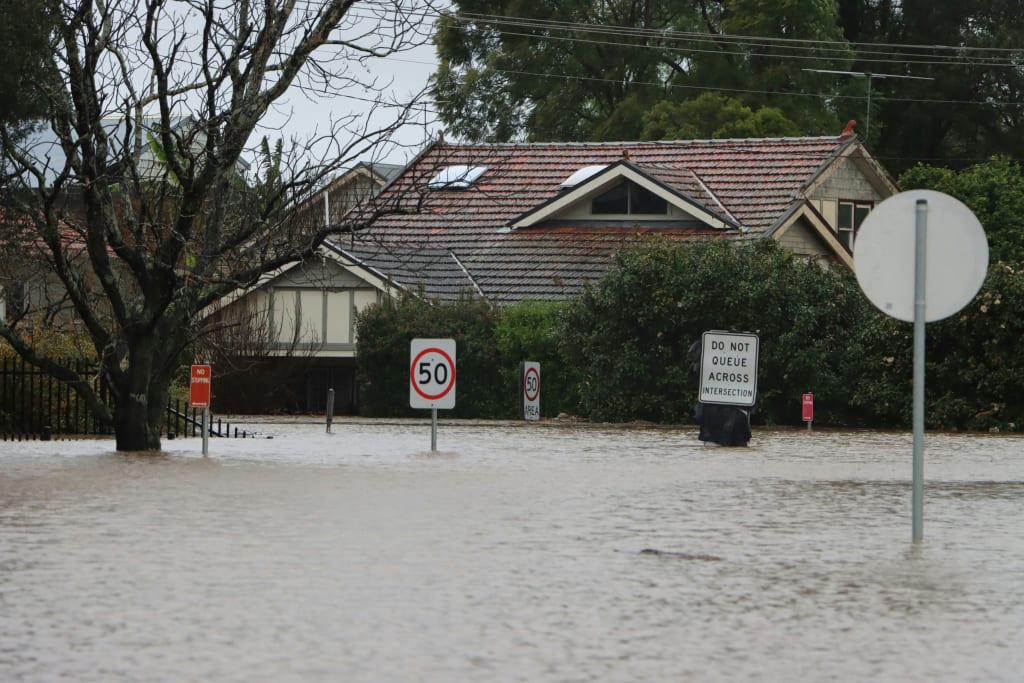
- Floods: Causes, Effects, and Preventive Measures
- Introduction
- Floods are among the most dangerous natural disasters on Earth. They threaten human life and can severely impact the economy, agriculture, ecosystems, and social structures. Floods are often triggered by storms, heavy rainfall, rising river levels, or human activities such as deforestation and poor drainage systems.
- Flood awareness is essential for protecting lives, property, and the environment. This article explores the causes, effects, and preventive measures of flooding, providing practical information for readers.
- Significance and Potential Dangers of Floods
- Effects on Human Life
- Risk of drowning or injuries
- Spread of waterborne diseases
- Food and water scarcity
- Displacement and homelessness
- Effects on the Economy
- Damage to homes and commercial properties
- Loss of agricultural land and productivity
- Negative impact on businesses and employment opportunities
- Environmental Impact
- Land erosion and reduced soil fertility
- Damage to rivers, forests, and wildlife
- Biological imbalance in aquatic systems
- Causes of Flooding
- Natural Factors
- Heavy Rainfall: Torrential rain and monsoons are major causes of floods.
- Rising River Levels: Caused by rainfall or melting ice.
- Coastal Flooding: Resulting from hurricanes and storm surges.
- Topography: Rapid changes in mountainous regions can lead to flooding in low-lying areas.
- Human Activities
Deforestation: Reduces water absorption, increasing flood risk.
Poor Drainage and Groundwater Mismanagement: Urban areas often lack proper water management systems.
Climate Change and Global Warming: Rising temperatures cause extreme weather events and unusual rainfall.
Effects of Flooding
Impact on Human Life
Casualties and injuries
Increased homelessness
Dehydration and food crises
Economic Impact
Destruction of homes, businesses, and infrastructure
Agricultural losses leading to rising food prices
Business disruption and commercial losses
Health Impact
Waterborne diseases such as cholera, malaria, and dengue
Respiratory illnesses
Mental health stress and trauma
Environmental Impact
Land erosion and reduced soil fertility
Alteration of river courses and water systems
Destruction of wildlife and vegetation
Flood Defenses and Safeguards
Personal Measures
Prepare an emergency kit with water, food, medicines, light, and radio
Stay aware of regional alerts and government warnings
Create a family emergency plan, including evacuation routes and safe locations
Community Actions
Establish community emergency centers
Educate locals about flood preparedness
Build sturdy shelters along rivers and coastal areas
Government Measures
Plan and maintain dams and water bodies effectively
Clean and repair river drainage systems
Implement warning systems in flood-prone areas
Enforce environmental regulations strictly
Educational and Awareness Initiatives
Include flood education in schools and colleges
Raise public awareness through media and social platforms
Organize seminars and workshops on flood preparedness
The Role of Technology in Flood Prevention
Satellites and Drones: Forecast floods and monitor risk areas
Mobile Apps: Provide flood alerts and safe route information
Intelligent Drainage Systems: Improve water management in urban areas
GIS and Digital Mapping: Plan and identify high-risk zones
Human Responsibility
Protect forests and plant trees
Avoid dumping waste into rivers and streams
Use land and water resources responsibly
Follow local government guidelines and emergency instructions
- Conclusion
- Floods are devastating natural and man-made disasters, affecting life, health, the economy, and ecosystems. However, awareness, preventive measures, and proper use of technology can significantly reduce their impact. Every individual has a responsibility to protect themselves and their families, collaborate with the community, and safeguard the environment.
- Small steps, planning, and education can save lives, protect property, and create a safer environment for future generation
About the Creator
DILDAR AWAN
- Dreamer ✍️ | Storyteller 📚 | Spreading positivity 🌍💫 | Words that inspire hearts.❤️
Keep reading
More stories from DILDAR AWAN and writers in Motivation and other communities.
"Business: The Foundation of Human Development and Success"
Business: The Foundation of Human Development and Success Introduction Business is an integral part of human life. Humanity has been engaged in various activities to meet its needs since the very beginning. Initially, people relied on hunting and farming for survival, but over time these practices evolved into structured and modern business systems. In today’s modern world, business is not just a source of employment but the backbone of the economy, the zenith of social development, and a measure of a nation’s global strength. The success of business brings prosperity to individuals, supports families, creates equality within society, and places a country on the path of progress. Experts believe that business is not merely about generating wealth but also an art, a service, and a responsibility.
By DILDAR AWAN5 months ago in Motivation




Comments
There are no comments for this story
Be the first to respond and start the conversation.