
Transform Your Mornings
From Dread to Empowerment with Simple Routines
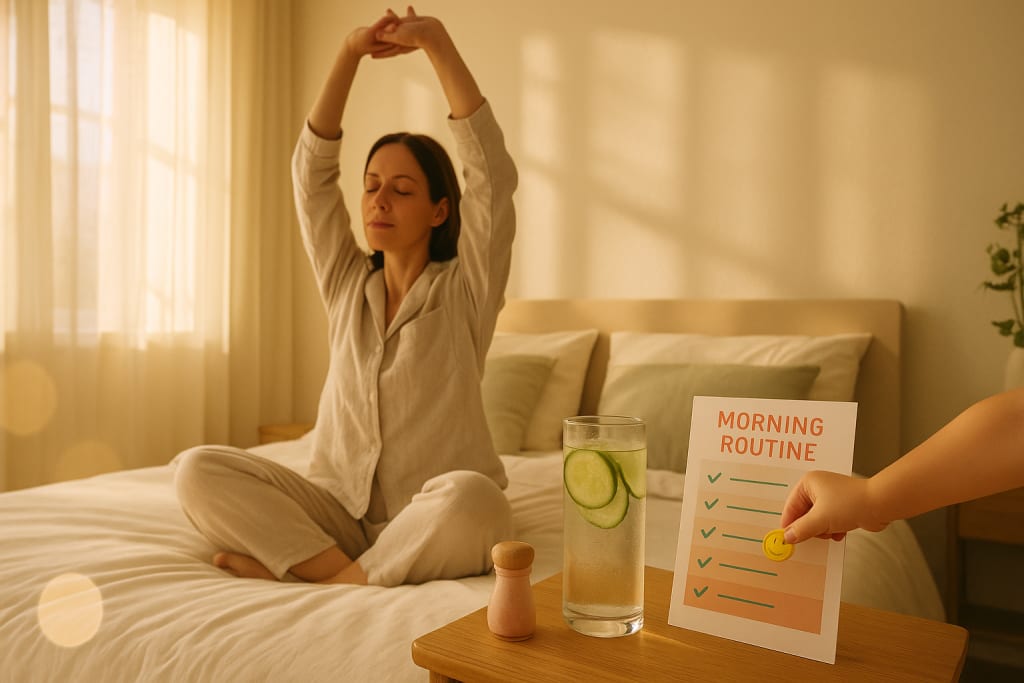
I used to dread mornings. Waking up tired, rushing through breakfast, and feeling drained by 10 AM was my norm. The alarm buzzed like an enemy, and I'd hit snooze repeatedly, only to scramble out of bed in a fog. Coffee was my crutch, but it barely masked the exhaustion. That all changed when I committed to morning routines for better health. It wasn't an overnight miracle, it started small, built consistency, and snowballed into a life upgrade.
My journey began one summer when I decided enough was enough. I committed to waking up at the same time every day, no exceptions. At first, it was tough; my body rebelled against the early rise. But I paired it with a 10-minute stretching session right in bed or on the floor. Gentle yoga poses, like cat-cow, child's pose, and forward folds - woke up my muscles without overwhelming me. This simple act loosened stiff joints and got blood flowing, setting a calm tone.
Next, hydration became non-negotiable. I'd stumble to the kitchen and drink a refreshing glass of water, often infused with lemon or a pinch of salt for natural electrolytes. I later upgraded to a dedicated morning routine drink: a mix of water, electrolytes, a dash of Himalayan pink salt, and sometimes cucumber slices for flavor. This wasn't just about quenching thirst—it replenished what sleep depleted overnight, boosting alertness and preventing that mid-morning crash. Science backs this; dehydration can impair cognitive function by up to 20%, according to studies from the Journal of Nutrition.
Consistency was key, but life gets chaotic. That's where creating a visual schedule shone. I printed a simple chart: columns for days of the week, rows for habits like "Wake at 6 AM," "Stretch 10 min," "Hydrate," and "Healthy Breakfast." I used stickers or checkmarks to track progress. It turned abstract goals into tangible wins. Seeing a streak of green checks motivated me like nothing else. Even better, I adapted it for my kids. Their mini-routines included brushing teeth, making beds, and a quick family hug. Mornings shifted from chaos—yelling about lost shoes—to harmony. The whole family benefited; my partner joined in, and we all started the day aligned.
Within weeks, the changes were undeniable. Better focus meant tackling emails without procrastination. More energy carried me through workouts and meetings. Less stress? Priceless. No more cortisol spikes from rushing. Mornings felt empowering, like I'd reclaimed hours of my day. Sleep improved too—consistent wake times regulated my circadian rhythm. I even noticed glowing skin and fewer headaches, thanks to sustained hydration.This isn't hype; it's practical. Start with one habit, add another weekly. Tools like apps (Habitica or Streaks) can digitize your visual schedule if paper isn't your thing. For families, make it fun—rewards for completed routines. And that electrolyte drink? Experiment: coconut water base, magnesium powder, or store-bought packets. The goal is feeling revived, not perfect.
If you're tired of draining mornings, commit today. The transformation is real, and it starts with you.
For the full guide, including recipes, templates, and advanced tips, visit Morning Routines for Better Health.
FAQ:
Q: Why do mornings feel so exhausting even after a full night's sleep?
A: Often, it's dehydration, poor sleep quality, or lack of structure. Overnight, your body loses fluids; starting with water and electrolytes reboots you. Inconsistent bedtimes disrupt rhythms—aim for 7-9 hours and same wake time.
Q: How long should a morning routine be for beginners?
A: Start with 15-20 minutes: wake consistently, stretch 10 min, hydrate. Build up as it becomes habit. No need for hour-long rituals; simplicity wins.
Q: What's the best morning routine drink?
A: A hydrating electrolyte mix: 16 oz water + 1/4 tsp sea salt + lemon juice + optional honey. Or try celery juice for anti-inflammatory benefits. Avoid sugary drinks—they cause crashes.
Q: How do I make a visual schedule?
A: Use a whiteboard, printable template, or app. List 3-5 habits vertically, days horizontally. Check off daily. For kids, add colors or stickers. Review weekly to adjust.
Q: Can kids benefit from morning routines?
A: Absolutely! Mini-routines teach responsibility and reduce family stress. Examples: dress, eat fruit, 5-min play. It models healthy habits and smooths school mornings.
Q: What if I slip up and miss a day?
A: Don't quit—restart tomorrow. Track streaks to motivate, but forgive setbacks. Consistency over perfection; one off-day won't undo weeks of progress.
Q: How soon will I see results?
A: Energy boosts in 3-5 days; focus and stress reduction in 1-2 weeks. Full habit formation takes 21-66 days per research. Track mood/energy in a journal.
Q: Any tips for winter mornings when it's dark and cold?
A: Use a sunrise alarm clock. Warm up water for your drink. Add light exercise like jumping jacks. Keep routine short to build momentum.
#MorningRoutine #BetterHealth #WellnessJourney
About the Creator
Keep reading
More stories from Brent J. Smith (J Smith) and writers in Motivation and other communities.
Liam Payne and Kate Cassidy
Liam Payne, the charismatic former member of One Direction, captivated millions with his undeniable talent and charming personality. His relationship with social media influencer Kate Cassidy was a source of intrigue and admiration for fans worldwide. However, their love story took a tragic turn in late 2023, leaving the world in shock. This article delves into their romantic journey, the challenges they faced, and the heartbreaking circumstances surrounding Liam Payne's untimely passing.
By Brent J. Smith (J Smith)about a year ago in Humans
Influential Women on LinkedIn: Building Authority, Visibility, and Professional Impact
In today’s digital-first professional landscape, Influential Women on LinkedIn are redefining leadership, personal branding, and career growth. Through consistent thought leadership, meaningful engagement, and authentic storytelling, women professionals are using LinkedIn to expand their influence and shape industry conversations.
By influentialwomenmagazinea day ago in Motivation




Comments
There are no comments for this story
Be the first to respond and start the conversation.