
Introduction
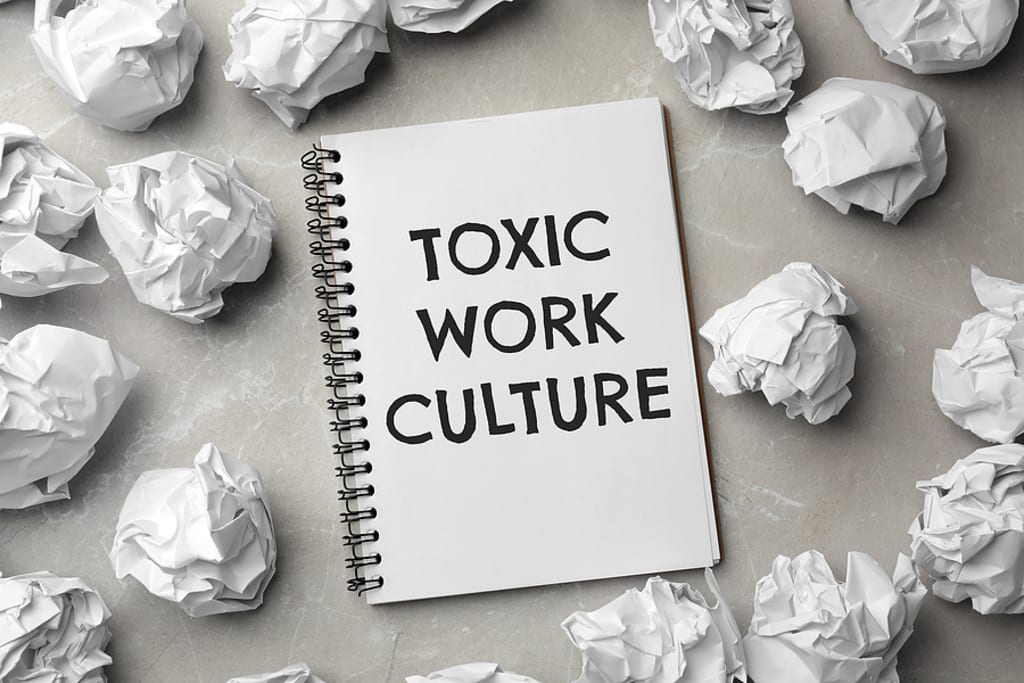
The world of employment is currently undergoing a transformational phase, one that has been dubbed the "Great Resignation." In this unprecedented period, a significant number of employees are voluntarily leaving their jobs, signaling a major shift in the traditional employer-employee relationship. While the global COVID-19 pandemic undeniably catalyzed changes in workplace dynamics, there is another, often overlooked, catalyst: toxic workplace culture. This article aims to delve into the complexities of this issue, examining how toxic culture has played a pivotal role in driving the Great Resignation.
Defining Toxic Culture
Toxic workplace culture is a multifaceted concept, encompassing a range of negative behaviors, attitudes, and practices that contribute to an unhealthy and unproductive work environment. Such a culture may manifest as harassment, bullying, discrimination, excessive workload, lack of work-life balance, micromanagement, and a general disregard for employee well-being. The repercussions of toxic culture ripple through an organization, affecting not only employees' mental and physical health but also their job satisfaction, motivation, and overall performance.
The Great Resignation: Unraveling the Factors
The Great Resignation is not a simple case of employees abandoning their jobs due to the pandemic's aftermath. It is, instead, a culmination of years of enduring toxic work environments. The pandemic acted as a catalyst, prompting individuals to reassess their priorities and question the long-standing norms of the corporate world. Employees began to scrutinize whether the sacrifices they were making for their jobs were truly worth the toll on their well-being.
It's important to note that this phenomenon isn't confined to a specific industry or region; it's a global movement driven by a universal need for better working conditions. Younger generations, particularly millennials and Generation Z, are at the forefront of this shift. They seek workplaces that align with their values, provide opportunities for growth, and foster a positive, inclusive culture. As they bear witness to the aftermath of toxic cultures, they are more willing than ever to take the leap into the unknown, seeking new avenues for personal and professional development.
The Paradigm Shift: New Priorities in the Workplace
The Great Resignation has triggered a paradigm shift in how both employees and employers view the workplace. Remote work and flexible schedules have moved from being mere perks to becoming integral components of the modern work environment. This shift in expectations empowers employees to seek positions that allow them to balance their personal lives with their professional responsibilities. Companies that fail to recognize this shift risk losing their most valuable asset: their talent.
As a result, the focus is shifting from the bottom line to the well-being of the workforce. Companies are being forced to acknowledge the importance of empathy, open communication, and robust mental health support systems in fostering a positive work environment. In an era where top talent is more mobile than ever, employers must strive to create an atmosphere where employees feel valued, respected, and supported in their personal and professional growth.
The Role of Proactive Companies
As the Great Resignation shakes the employment landscape, companies that have taken proactive steps to address toxic culture are emerging as success stories. Initiatives such as diversity and inclusion programs, mentorship opportunities, mental health resources, and wellness programs are proving effective in eradicating toxic behaviors and promoting a healthier workplace. These companies are making a conscious effort to create an environment where employees feel empowered, motivated, and genuinely appreciated.
The correlation between a positive workplace culture and employee retention cannot be overstated. Employees who feel valued and heard are more likely to remain loyal to their employers, contributing to higher morale, increased job satisfaction, and ultimately, greater productivity. In this context, investing in a positive work culture is not just a moral imperative but also a strategic move that yields long-term benefits.
Creating Positive Change: A Collaborative Effort
Addressing toxic culture requires a concerted effort from all stakeholders, including both employees and employers. Companies must actively listen to their workforce, solicit feedback, and implement decisive actions to eliminate toxic behaviors. This could involve revisiting policies, retraining management, and instituting new measures to ensure that employees feel respected, supported, and able to voice their concerns without fear of retribution.
However, it's important to recognize that creating lasting change takes time and sustained commitment. The transition from a toxic to a healthy workplace culture requires a cultural overhaul and a collective dedication to positive transformation. It involves not only changing the practices and policies but also fostering a shift in attitudes, where the well-being of employees takes precedence over short-term gains.
The Empowerment of Employees
Employees also play an integral role in reshaping workplace culture. By advocating for their needs and holding employers accountable, they become agents of change. This empowerment, coupled with a collective demand for healthier work environments, can gradually shift the needle away from toxic norms. Employees who are aware of their rights and are unafraid to assert themselves contribute significantly to dismantling the foundations of toxic culture.
However, it's essential to acknowledge that not all employees have the luxury of simply leaving a toxic environment. Socioeconomic factors, job availability, and personal circumstances can impact an individual's ability to resign. In such cases, support networks, unions, and government regulations play a vital role in advocating for workers' rights and pressuring companies to reform their practices.
Conclusion: Navigating Towards a Healthier Future
The Great Resignation is not merely a transient trend; it's a reflection of a profound societal transformation. Toxic culture has served as a catalyst for this shift, compelling employees to seek out environments that prioritize their well-being and personal growth. The world of work is undergoing a metamorphosis, driven by a collective demand for change.
As both employees and employers navigate these uncharted waters, there is a genuine opportunity to create a more productive, compassionate, and fulfilling future of work. The Great Resignation serves as a wake-up call, prompting organizations to reconsider their practices and values. By prioritizing the creation of healthy, inclusive, and supportive work environments, companies can not only weather the storm of the Great Resignation but also lay the foundation for a brighter and more sustainable professional landscape.
About the Creator
Keep reading
More stories from Renato Filipe and writers in Motivation and other communities.
Capturing Courage
Introduction In a society where cultural norms often dictate the roles and opportunities available to women, female photographers in Iran are defying conventions and making their mark on the art and photography world. Despite the challenges and restrictions they face, these talented women are using their cameras as a powerful tool to share their unique perspectives, tell stories, and advocate for change. This article explores how female photographers in Iran are overcoming barriers and making their voices heard through their captivating imagery.
By Renato Filipe3 years ago in Photography
Amparo Araneta - Building Sanctuaries Where Beauty, Wellness, and Community Converge
Araneta’s story begins in the world of beauty and wellness, where her natural instinct for transformation first emerged. Trained as an esthetician and beautician, she expanded her practice into holistic aromatherapy, blending physical care with emotional and spiritual well-being. For Araneta, beauty has never been superficial. Instead, she views it as a restorative process—one capable of rebuilding confidence, dignity, and inner balance.
By Variety Press4 days ago in Motivation




Comments
There are no comments for this story
Be the first to respond and start the conversation.