
Tips Anand Muni Gives for Making Ordinary Locations Look Cinematic
Transforming Everyday Spaces into Visually Stunning Masterpieces

Introduction
In the world of photography, not every stunning image comes from a breathtaking landscape or luxurious set. Sometimes, the most powerful visuals emerge from the most unexpected places a quiet alleyway, a foggy street corner, or the warm light filtering through a café window. For professional photographer Anand Muni, the true art lies in transforming these ordinary environments into cinematic experiences.
Known for his visually poetic style and storytelling mastery, Anand has developed techniques that allow even the most common locations to appear as if they belong in a film. Based in San Francisco, California, a city full of visual contrasts and everyday beauty, he’s learned to find magic in the mundane and depth in simplicity.
This article explores Anand Muni’s approach to creating cinematic beauty in ordinary settings — from understanding light and atmosphere to composing scenes that feel larger than life.
1. Seeing the Extraordinary in the Ordinary: Reframing the Photographer’s Mindset
Anand Muni believes the first step in making an ordinary location look cinematic has nothing to do with equipment — it begins with perception. He emphasizes that a photographer must learn to see the world not just as it appears, but as it feels.
Before every shoot, Anand spends time observing a location without his camera. He studies how light moves across surfaces, how colors shift at different hours, and how people interact with the space. This deliberate observation allows him to identify cinematic potential — those fleeting, emotional moments that might otherwise go unnoticed.
He often compares this process to filmmaking, where every frame must serve a narrative purpose. For Anand, every environment has a story. A quiet parking lot at dusk might evoke solitude; a rainy window might represent reflection. The key, he says, is to identify the emotion a location can naturally convey and build your composition around it.
This shift in mindset — from seeing a place as plain to perceiving it as expressive — is what separates a snapshot from a cinematic photograph.
2. Harnessing Light as a Storytelling Tool
One of the most defining elements of Anand Muni’s work is his ability to manipulate and interpret light. In his view, light isn’t just a technical necessity — it’s the emotional heartbeat of a photograph.
Natural light, especially during golden hour or blue hour, is his preferred medium. These times of day create soft shadows and rich tones that give ordinary scenes a dramatic, film-like quality. For example, a simple brick wall under harsh midday light might look flat and uninspiring, but the same wall illuminated by warm evening sun can evoke nostalgia or tranquility.
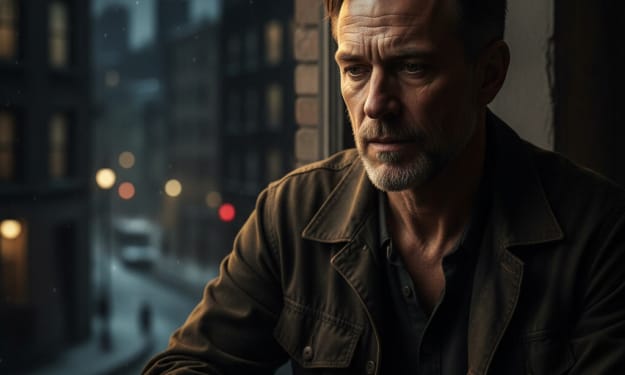
Anand also experiments with unconventional light sources to add cinematic flair. Streetlights, neon signs, or even headlights can be used to create depth and contrast. In low-light conditions, he might embrace silhouettes or soft glows to enhance the sense of mystery or emotion.
He often stresses that photographers should observe light rather than fight it. Instead of forcing artificial setups, he recommends adapting the composition to the existing illumination, using light direction and intensity to shape mood and narrative.
Through mastery of light, Anand transforms reality into something emotionally charged — a visual story written in shadows and highlights.
3. Composition and Framing: Building Cinematic Structure
A cinematic image is one that feels intentional — every element within the frame serves a purpose. Anand Muni’s approach to composition borrows heavily from cinematography principles, focusing on balance, depth, and perspective.
He often begins with the rule of thirds as a foundation but isn’t afraid to break it when the story demands something unconventional. Leading lines, reflections, and foreground framing are tools he frequently uses to create dynamic tension and movement within still frames. These techniques guide the viewer’s eye and add a sense of scale and immersion.
Anand also pays close attention to the relationship between subject and environment. In cinematic photography, the background is not just a setting — it’s part of the narrative. A lone figure against an expansive sky can communicate isolation, while the same figure surrounded by urban textures might express resilience.
To add cinematic drama, he experiments with perspective — shooting from low angles to create power or from high angles to convey vulnerability. The choice of focal length also plays a role; longer lenses compress space for intimacy, while wide lenses reveal context and grandeur.
For Anand, composition is about rhythm — arranging visual elements in a way that feels both deliberate and emotionally resonant. It’s how an ordinary street corner can suddenly resemble a movie still.
4. The Role of Color and Mood in Cinematic Storytelling
Color plays a crucial role in Anand Muni’s ability to elevate everyday settings into cinematic masterpieces. He understands that color can subconsciously evoke emotion, guide the viewer’s attention, and even define the tone of a series.
During shoots, Anand pays close attention to the color palette of the environment — from painted walls and street lights to the clothing of his subjects. He looks for natural harmonies or contrasts that can enhance storytelling. For instance, muted earth tones might be used to express calmness or introspection, while vibrant hues could evoke energy or passion.
In post-production, he applies subtle color grading techniques inspired by cinema. Rather than oversaturating or heavily manipulating, he fine-tunes tones to match the emotional intent of the image. Warm ambers might create a nostalgic feel reminiscent of classic films, while cool blues and greens can introduce a sense of melancholy or detachment.
However, Anand’s approach remains grounded in authenticity. He avoids making colors appear artificial or exaggerated. The goal, he says, is not to imitate film, but to interpret emotion visually. By aligning color choices with the story’s mood, he ensures that every image feels cohesive and emotionally alive.
Through this nuanced control of color and tone, Anand brings emotional depth to even the simplest environments — transforming them into cinematic worlds that speak to the viewer’s senses.
5. Emotion and Timing: Capturing the Human Element
At the heart of Anand Muni’s cinematic style lies his sensitivity to emotion and timing. No amount of technical skill or visual mastery can make an image cinematic if it lacks human connection. Anand believes that the best photographs resonate because they capture a moment of truth — an expression, a gesture, a fleeting feeling.
Whether shooting portraits or street scenes, he looks for unposed authenticity. He interacts with subjects naturally, allowing them to relax into the environment. This approach produces photographs that feel alive — not staged or forced.
In street photography, Anand relies on anticipation and patience. He observes movements, light shifts, and interactions, waiting for that precise moment when emotion and composition align. This patience often rewards him with frames that appear effortless yet deeply moving.
Even when people aren’t present, Anand seeks emotional cues — textures, shadows, or atmospheric details that suggest a human presence or mood. A single empty chair under warm light can convey solitude just as powerfully as a portrait might.
This emotional timing, combined with his mastery of visual storytelling, is what gives his work its cinematic signature — the ability to make stillness feel alive and ordinary places feel profound.
Conclusion
Anand Muni’s photography is a celebration of perspective — a reminder that cinematic beauty doesn’t depend on grand locations or expensive gear, but on the artist’s ability to see beyond the surface. Through thoughtful observation, mastery of light, intentional composition, and emotional awareness, Anand transforms simple, everyday scenes into visual poetry.
Working from San Francisco, California, he continually explores the intersection of realism and artistry, turning city streets, quiet parks, and ordinary rooms into cinematic worlds brimming with depth and meaning. His philosophy is clear: every place, no matter how common, holds the potential for extraordinary storytelling. It’s not about what the camera sees — it’s about what the photographer feels.
By following Anand Muni’s approach, photographers can learn not only to enhance their technical craft but to capture something far more meaningful — the soul of the moment, hidden in plain sight.
About the Creator
BizElevate
BizElevate specializes in driving business growth through innovative strategies, market analysis, and expert consultancy tailored to your needs.
Keep reading
More stories from BizElevate and writers in Motivation and other communities.
The Philosophy Behind Success Insider’s Global Impact
Introduction Success Insider is more than a personal development platform — it’s a global movement built on the belief that every human being has untapped potential waiting to be unlocked. Founded by world-renowned life coach Tim Han, Success Insider has inspired millions to live extraordinary lives by combining psychology, human behavior, and practical self-mastery.
By BizElevate4 months ago in Motivation
“He Kept Going When No One Was Watching — And That Changed Everything”
No one ever noticed the days he almost gave up. There were no messages asking if he was okay. No one wondered why he became quieter. No one asked how much effort it took just to keep going. To the world, he was just another ordinary man. His name was Ayaan. Ayaan’s life didn’t collapse in one dramatic moment. It slowly faded. Missed opportunities. Rejected ideas. Silent disappointments. Every failure was small, but together they became heavy. He had dreams once. Big ones. Dreams that kept him awake at night, imagining a future where his hard work would finally matter. But over time, those dreams began to feel unrealistic—almost embarrassing. People around him seemed to move forward effortlessly. They celebrated promotions, achievements, and milestones. Ayaan watched from the side, smiling politely while feeling invisible. At work, his efforts were ignored. Among friends, his voice faded. At home, expectations weighed heavily on him. Slowly, a dangerous thought settled into his mind: “Maybe I’m not good enough.” That thought followed him everywhere. It followed him on crowded buses. It followed him into sleepless nights. It followed him every time he tried again and failed. One night, after scrolling through endless success stories online, Ayaan closed his phone and stared at the dark ceiling. His chest felt tight, not because of pain—but because of exhaustion. He whispered quietly, “How long do I keep trying?” There was no answer. But that night, Ayaan made a decision—not a loud one, not a confident one. A tired decision. He decided to keep going, even if nothing changed. The next morning felt the same. The same routine. The same doubts. The same fear of wasting his life. But Ayaan showed up anyway. He worked when no one praised him. He studied when no one guided him. He practiced when no one believed in him. Some days, motivation disappeared completely. On those days, discipline took over. He reminded himself: “I don’t need applause. I need progress.” Weeks passed. Nothing dramatic happened. No sudden success. No recognition. No miracle. But something subtle began to shift. Ayaan became calmer under pressure. He learned to sit with discomfort instead of running from it. He stopped comparing his journey to others. The silence that once scared him now became his training ground. Months later, a serious problem appeared at his workplace. It was complicated, risky, and easy to blame on someone else. Most people avoided it. Some pretended it wasn’t their responsibility. Ayaan didn’t announce himself. He didn’t seek attention. He simply started working. Late nights. Mistakes. Corrections. Learning. There were moments he wanted to quit. Moments when fear whispered, “You’re not ready.” But he answered back, “I’ll learn.” Slowly, the problem began to disappear. Not perfectly—but steadily. People noticed, quietly. One afternoon, his manager called him into the office. Ayaan expected criticism. Instead, he heard a question that stunned him: “Where did you learn all this?” Ayaan paused. How could he explain years of silent effort? How could he explain working when no one cared? He simply replied, “I kept going.” That moment didn’t change his life overnight. He didn’t become famous. He didn’t suddenly become successful. But it changed something far more important. His belief in himself. For the first time, Ayaan understood that life doesn’t always reward effort immediately. Sometimes, it watches. It watches who continues without praise. Who improves without recognition. Who grows in silence. Years later, Ayaan looked back at the version of himself who almost quit. The man who felt invisible. The man who thought no one was watching. And he smiled. Because he finally understood the truth: Life was always watching. Not to judge. Not to rush. But to see if he would keep going when it was hardest. The world doesn’t reward those who only work when they’re seen. It rewards those who build strength in silence. And sometimes, the moment that changes everything doesn’t come with applause. It comes quietly. After patience. After effort. After consistency. That is when everything finally begins to change. Final Message Keep going—even when no one is watching. Especially then.
By Inayat khan4 days ago in Motivation



Comments