
The truth between the lines
“Unspoken Truths: What Lies Between the Lines”

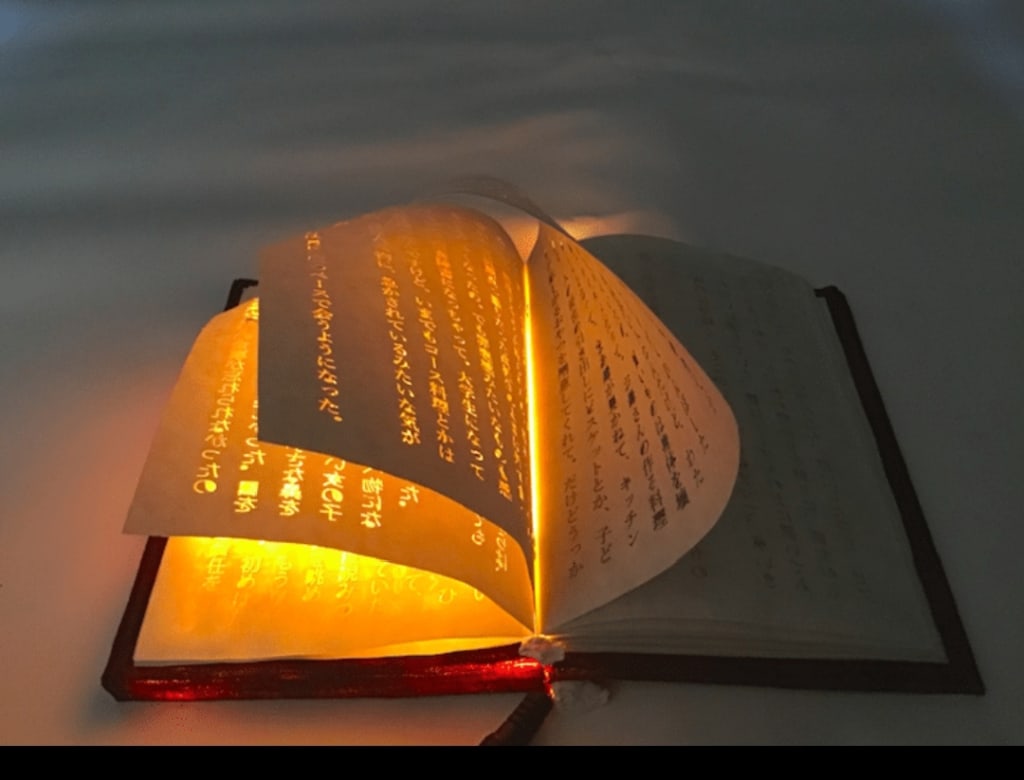
There are times in life when silence is louder than words, when the pauses in a conversation reveal more than the conversation itself, and when the true meaning is hidden in what is left unsaid. The greatest truths are often hidden between the lines.

---
The Letter That Changed Everything
In a quiet little town lived a young man named Arman. He was known for being quiet, observant, and thoughtful. People around him often said he had a strange gift—he could understand feelings without people explaining them.
One evening, while browsing through the old town library, Arman stumbled upon a forgotten book. Tucked inside was a faded letter. The handwriting was elegant, though time had left its marks on the fragile paper. The words seemed simple:
"I hope you are well. The days here are fine. The house feels empty sometimes, but I am managing. Take care."
To most, this would look like nothing more than a polite message. But Arman read it again and again, and he felt something stirring in his chest.
“This is not just a letter,” he thought, “this is a cry for help hidden in silence.”
The emptiness of the house, the simple phrase “I am managing”—they carried weight far beyond the surface. The truth was not in the ink, but in what the writer chose not to say.
Sometimes, the most powerful part of a message is not what is written, but what is left unsaid.
---
Learning to Listen Differently
That letter changed Arman. From that day, he began to notice how often people’s words failed to match their feelings. A neighbor smiled and said she was fine, yet her eyes were heavy with sadness. A shopkeeper laughed loudly but carried a furrowed brow of worry.
“The loudest struggles are often carried in silence,” Arman realized.
He started to listen differently—not just to the words, but to the tone, the pauses, the silences that followed. He realized that truth often slipped between those spaces.
---
A Friend’s Hidden Pain
One night, his friend Sana came to visit him. She had been cheerful all day, talking and laughing as usual. But Arman noticed something. Her hands trembled slightly when she held her cup of tea. She said, “I’m just tired,” with a laugh that felt too heavy.
Arman looked at her quietly and said, “You don’t need to explain. Tell me what you’re really carrying—tell me what’s between your lines.”
Her smile faded, and tears welled in her eyes. She confessed she had been struggling at home, but she didn’t want to burden anyone. That night, she cried freely, and she felt lighter for the first time in months.
By listening to what was not spoken, Arman gave his friend the chance to heal.
---
Books That Teach Without Words
Arman’s love for reading deepened. He realized that the best stories were not just about the words—they were about the emotions that slipped through the gaps.
In a love story, it was not the confession that mattered most—it was the pause before the confession, the hesitation, the silence that spoke of fear and hope.
In a tragedy, the silence after a death often hurt more than the description of the loss itself.
The truth of a story often lives in its silences.
Arman began teaching his students not just to read, but to feel. He would give them short verses and ask, “What do you hear in the spaces? What do you feel that is not written?”
One day, he handed them a poem:
"The night was long,
The candle burned low,
She sat by the window,
And the stars did not speak."
The students debated: Was it loneliness? Was it waiting? Was it hope?
Arman smiled at all their answers. “You are all right,” he said. “Because the truth is not only in the words—it is in what your heart feels between the lines.”
---
Life’s Silent Conversations
As time passed, Arman began to notice that real life itself was full of unspoken truths.
A mother telling her child, “Eat well,” was not just talking about food. She was speaking of her love and her endless care.
A father placing a hand on his son’s shoulder before an exam was not simply offering encouragement—it was silently saying, “I trust you. I believe in you.”
Two friends sitting together in silence after an argument were not just avoiding words—they were quietly exchanging apologies, forgiveness, and love.
The world speaks a hidden language, and only those who listen closely can hear it.
---
The Teacher’s Final Wisdom
Years passed, and Arman grew old. He became known not just as a teacher, but as a man of wisdom, someone who understood without needing explanations. His students often came back to him, seeking advice, comfort, or simply his listening ear.
One day, a young student asked him, “Master, what is the greatest truth you have learned?”
Arman closed his eyes for a moment and then said softly:
“Words are fragile. They can hide, they can deceive. But silence rarely lies. If you want to know the truth, don’t just listen to what people say. Listen to what they cannot say.”
That was his last and greatest lesson.
---
The Legacy of Silence
After Arman passed away, his students carried his lesson with them into the world. They became people who could listen beyond words, who could sense when someone needed comfort even if they said they were fine, who could understand the deeper story hidden behind simple sentences.
His letter—the one he had once found—remained on his desk, preserved carefully. For his students, it became a symbol: a reminder that even the simplest lines can carry oceans of unspoken truth.
“The truth between the lines is often the truth of the heart,” they would say.

---
Closing Thought
Life, like literature, is not only about what is written. It is about what is left unsaid, what is hidden, and what is waiting to be discovered by those who care enough to look deeper.
If you only read the words, you will miss the story. If you learn to read between the lines, you will find the truth.
About the Creator
Ihtisham Ulhaq
“I turn life’s struggles into stories and choices into lessons—writing to inspire, motivate, and remind you that every decision shapes destiny.”
Keep reading
More stories from Ihtisham Ulhaq and writers in Motivation and other communities.
“Journey Beyond the Fear”
The Story That Started with Fear It was a cold morning when Amir stood at the edge of the wooden bridge. Below him, the river roared with unstoppable force. His hands trembled, not because of the winter air, but because of the fear pulsing through every vein of his body.
By Ihtisham Ulhaq5 months ago in Motivation
Looking back: 2025 was a beast
It's difficult to know how to start this. I've suggested that it's been a tough one from my title and in many ways, it has; however, there is an argument that it's not been that extraordinary at all, merely this wonderful thing we call "life" with all its climaxes and pitfalls.
By Rachel Deeming20 days ago in Motivation
Why Minimalist Living Is Becoming Popular Worldwide
Introduction Over the past decade, minimalist living has shifted from a niche lifestyle choice to a widely discussed global movement. Across different cultures, age groups, and income levels, people are intentionally simplifying their lives by reducing excess possessions, distractions, and commitments. This shift is not driven by aesthetics alone; it is rooted in psychological well-being, changing social values, and the realities of modern life. As urbanization increases and digital environments become more complex, minimalism offers a structured response to overwhelm. Understanding why minimalist living is becoming popular worldwide requires examining its principles, psychological effects, and role in broader global lifestyle trends.
By Cristina Baker7 days ago in Motivation



Comments
There are no comments for this story
Be the first to respond and start the conversation.