
The Slow Discipline of Becoming Unbreakable
Why Real Strength Is Built Quietly, Over Time

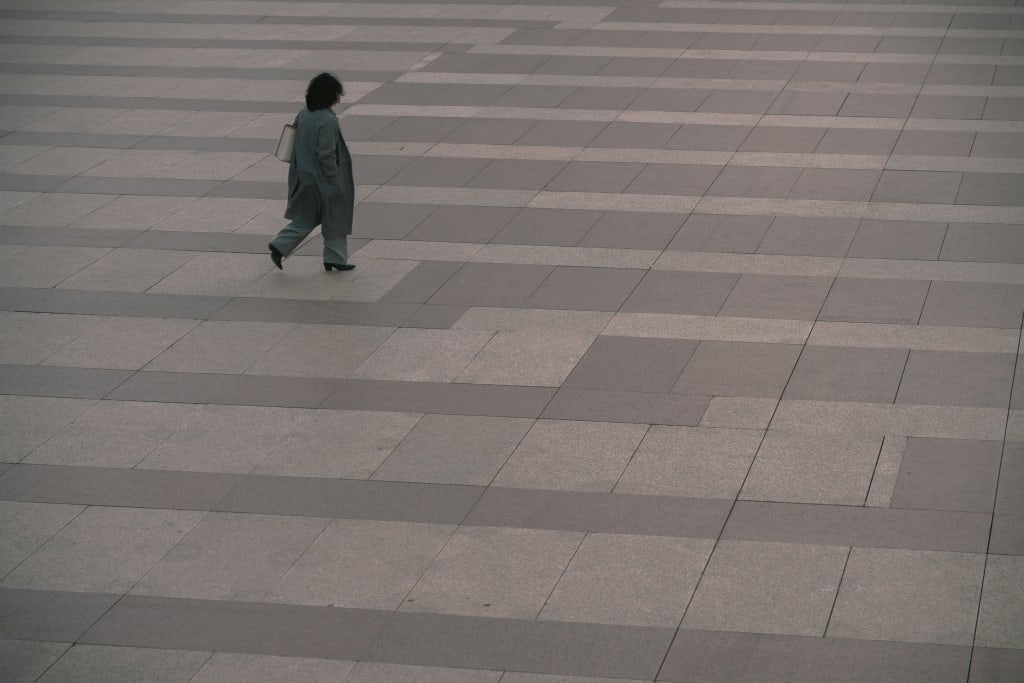
Most people imagine strength as something loud.
They picture confidence that fills a room, certainty that never wavers, success that announces itself clearly and publicly. Strength, in this version, is visible. It is validated. It is admired.
But the kind of strength that actually sustains a life looks very different.
It is quiet. It is unglamorous. And most of the time, no one notices it forming.
Real strength is not what helps you rise quickly. It is what keeps you standing when progress is slow, when outcomes are uncertain, and when no one is clapping for your effort.
This is the slow discipline of becoming unbreakable.
1. The Day You Realize Motivation Is Unreliable
There is a moment in adulthood that changes how you see everything.
It is the moment you realize motivation cannot be trusted.
Not because you are lazy, but because life is heavier than inspiration.
Bills arrive whether you feel ready or not. Responsibilities accumulate without asking if you are rested. Time moves forward regardless of your emotional state.
At first, this realization feels discouraging.
You notice how inconsistent your energy is. How easily confidence fades. How often enthusiasm disappears exactly when you need it most.
But this moment is not a failure.
It is an upgrade.
Because once you stop relying on motivation, you begin building something stronger: structure.
2. Discipline Is Not Punishment — It Is Self-Respect in Action
Discipline is often misunderstood.
People associate it with harsh routines, rigid rules, and relentless self-control.
But true discipline is not about forcing yourself to suffer.
It is about reducing the number of decisions you need to survive your own life.
Discipline is choosing systems over moods. It is deciding in advance what matters, so you do not renegotiate your values every day.
When you create structure — simple, repeatable actions — you protect yourself from your lowest moments.
You do not need to feel inspired to show up. You just need to follow what you already decided.
This is not cruelty.
It is kindness.
3. The Invisible Work That Changes Everything
The most important work you will ever do rarely feels important while you are doing it.
It looks like:
- getting enough sleep instead of chasing one more distraction
- choosing consistency over intensity
- saying no to short-term comfort in favor of long-term stability
- returning to the same effort again, even when yesterday showed no results
This kind of work does not produce immediate transformation.
It produces reliability.
And reliability, over time, becomes trust — first with yourself, then with others.
You begin to believe your own promises. You stop waiting for dramatic breakthroughs. You start moving steadily, without spectacle.
That is when change becomes irreversible.
4. Why Comparison Is the Fastest Way to Break Yourself
In the age of constant visibility, comparison feels unavoidable.
You see people announcing milestones while you are still laying foundations. You watch success stories without seeing the years of uncertainty beneath them.
Comparison does not just steal joy.
It distorts time.
It convinces you that growth should be faster, smoother, and more impressive than it actually is.
But progress is not linear.
It expands quietly, then suddenly.
Those who endure long enough are not the most talented or confident.
They are the ones who did not quit when progress felt invisible.
5. Emotional Regulation Is a Survival Skill, Not a Personality Trait
Many people believe emotional stability is something you either have or you do not.
This belief keeps them stuck.
Emotional regulation is not a fixed trait.
It is a learned skill.
It is the ability to pause instead of react. To respond instead of spiral. To feel deeply without being controlled by feeling.
This skill is built through practice:
- noticing patterns instead of judging yourself
- creating space between stimulus and response
- learning when to step back rather than push harder
An unbreakable person is not someone who feels less.
It is someone who recovers faster.
6. You Become Stronger When You Stop Performing Your Struggle
There is pressure to make suffering visible.
To explain your exhaustion. To justify your pace. To narrate every difficulty so others understand why you are not further along.
But strength grows when you stop performing hardship and start addressing it privately.
You do not owe the world a constant explanation.
Silence, used wisely, becomes a container for focus.
You conserve energy. You protect momentum. You stop leaking effort into unnecessary validation.
This is not withdrawal.
It is consolidation.
7. The Role of Boredom in Long-Term Success
Boredom is often treated as a problem.
In reality, boredom is a signal that you are doing something sustainable.
Consistency feels dull because it lacks novelty.
But novelty is not what builds lives.
Repetition does.
When you can tolerate boredom without abandoning your direction, you unlock a rare advantage.
You outlast impulses. You bypass burnout. You move forward while others restart.
Boredom is not the enemy.
It is the price of mastery.
8. Becoming Unbreakable Does Not Mean Becoming Hard
This is a crucial distinction.
Many people confuse strength with emotional armor.
They shut down, detach, and call it resilience.
But true strength remains flexible.
It allows disappointment without collapse. It allows vulnerability without dependence. It allows hope without desperation.
You do not need to become colder to survive.
You need to become steadier.
9. The Quiet Confidence That Comes From Self-Trust
When you keep showing up for yourself, something subtle changes.
You stop seeking constant reassurance. You stop overexplaining your goals. You stop panicking when timelines shift.
Not because everything is certain.
But because you trust your ability to adapt.
This trust does not make life easier.
It makes you calmer inside difficulty.
And calm is a form of power.
10. The Long View Is Where Real Freedom Lives
The most unbreakable people are not in a rush.
They understand that life is not decided by single moments, but by repeated choices.
They play long games. They recover from setbacks without redefining themselves by them. They value direction over speed.
Over time, this perspective creates freedom.
Freedom from urgency. Freedom from comparison. Freedom from the need to prove anything immediately.
A Closing Thought to Carry With You
If your progress feels slow, do not assume it is weak.
If your strength feels quiet, do not assume it is fragile.
The most durable lives are built patiently, without spectacle.
You are not falling behind.
You are building something that lasts.
And one day, you will realize that what made you unbreakable was never intensity —
It was consistency, practiced with respect for your own limits.
About the Creator
Keep reading
More stories from Chilam Wong and writers in Motivation and other communities.
One Hard Thing
Stop me if you’ve heard this one before: You have the number, you know your schedule- you’ve even picked out the perfect day and time to make this appointment. Shoot, you’ve even picked out alternative days and times just in case their schedules can’t accommodate you!
By Taylor Rigsby8 days ago in Motivation
The Weight We Choose to Carry
The town of Harrow field was not marked on most maps. It was the kind of place people passed through without stopping, where streets remembered footsteps longer than faces, and where duty was not spoken loudly but lived quietly. In Harrow field, responsibility did not arrive with applause; it arrived with the morning bell, the creak of old doors, and the steady expectation that everyone would do what needed to be done.
By Farhad2 days ago in Motivation
A Love Forboding
The chipped stone slope caused unbearable footing. I slid, skirting on my heels. I cast my shield, relinquishing my guard to stay upright. Left with my double-edge and a prayer to the maker, I skated toward my objective. The earthly stubble gave way to solid ground. I found myself restored, a trail of dust in my wake.
By James U. Rizzi3 days ago in Fiction


Comments
There are no comments for this story
Be the first to respond and start the conversation.