
The Silent Theft: When Porn Replaces Real Human Connection
How Digital Facsimiles of Intimacy Are Eroding the Very Real Thing They Promise
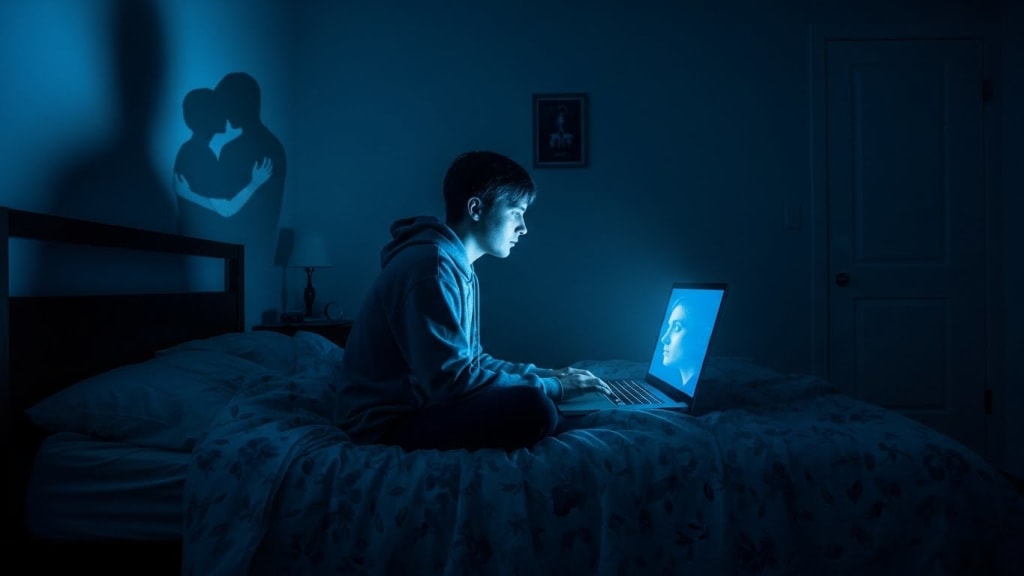
We live in an age of unprecedented connectivity. With a few taps, we can see a friend across the globe, order a meal, or access the accumulated knowledge of humanity. Yet, alongside this miracle of access runs a quiet, insidious undercurrent: the replacement of complex, messy, profoundly human intimacy with a streamlined, on-demand digital substitute. For a growing number, the deep-seated human need for connection, vulnerability, and sexual bonding is being met not in the arms of another, but in the solitary glow of a screen, through pornography. This isn’t a moralistic rant about adult content; it’s an observation of a profound psychological trade-off. We are witnessing a silent theft of intimacy, where a facsimile is gradually displacing the real thing, with consequences that echo in our loneliness, our relationships, and our very understanding of human touch.
The appeal is easy to understand. Real intimacy is hard. It requires courage to be seen, truly seen, with all our flaws and insecurities. It demands negotiation, empathy, the risk of rejection, and the patience to navigate another person’s equally complex inner world. It is unpredictable and often frustratingly imperfect. Pornography, in its modern, infinite-scroll format, offers the opposite: effortlessness, perfect bodies performing flawless, extreme acts, entirely oriented towards visual stimulation and release. There are no needs to consider but your own, no awkward conversations, no bad breath, no performance anxiety. It is intimacy stripped of its humanity—a product, consumed rather than shared.
This is where the theft occurs. The brain’s reward system doesn’t finely distinguish between the source of stimulation. The powerful neurochemical cocktail released—the dopamine of anticipation, the oxytocin of (simulated) bonding, the endorphins of pleasure—gets wired to a set of inputs that are solitary, hyper-stimulating, and devoid of interpersonal risk. Gradually, the neural pathways that once sparked at the thought of a lover’s touch, a shared joke, or a lingering glance can become rerouted. The real world begins to feel… lacking. A partner’s body is compared to an endless parade of airbrushed professionals. Real-world sexual rhythms and responses seem slow, complicated, and mundane compared to the edited, high-octane scenes on screen. The quiet comfort of lying together after sex can feel boring compared to the hit of clicking to the next tab.
The damage is twofold: it distorts expectations and it atrophyies skills. When porn becomes a primary template for sexuality, it teaches a script that is performative, spectator-driven, and often disconnected from mutual pleasure or emotional resonance. It frames sex as an act done to or for someone, rather than an experience shared with someone. Simultaneously, it allows us to opt-out of the foundational skills of intimacy: reading non-verbal cues, practicing vulnerability, navigating consent in real-time, communicating desires and boundaries. Why brave the terrifying, exhilarating risk of asking a real person for what you want when you can simply select a video that matches your exact fantasy? The muscle of courage weakens from disuse.
The result is a paradox of isolation in the midst of plenty. People can consume hours of the most explicitly intimate acts imaginable, yet feel profoundly lonely, disconnected, and unseen. The intimacy was stolen, not because they witnessed it, but because they confused consumption for connection. They received the neurological reward without the relational foundation, like eating sugary junk food that satiates hunger but leaves the body malnourished. The heart remains hungry for the very thing the brain thinks it just had: genuine, reciprocal human connection.
This isn’t about shaming individuals. It’s about recognizing a societal trap. We are offering a generation a potent, free, and private solution to the ache for connection—a solution that, by its very design, ultimately deepens that ache. It hollows out the motivation to seek the real thing, which is always harder, riskier, and more rewarding.
Reclaiming stolen intimacy requires conscious effort. It means recognizing the digital substitute for what it is: entertainment, perhaps, but not a relationship. It involves intentionally choosing the harder path—the awkward conversation, the fumbled kiss, the silent hug that says more than words. It means relearning that intimacy is found not in flawless performance, but in shared imperfection; not in curated fantasy, but in the brave, tender, and gloriously messy reality of connecting with another human being, one vulnerable moment at a time. The screen offers a world of infinite choice but zero consequence. True intimacy offers the opposite: one precious, consequential choice to be real with another person. That choice, and the profound connection it can foster, is worth fighting to get back.
About the Creator
HAADI
Dark Side Of Our Society
Keep reading
More stories from HAADI and writers in Motivation and other communities.
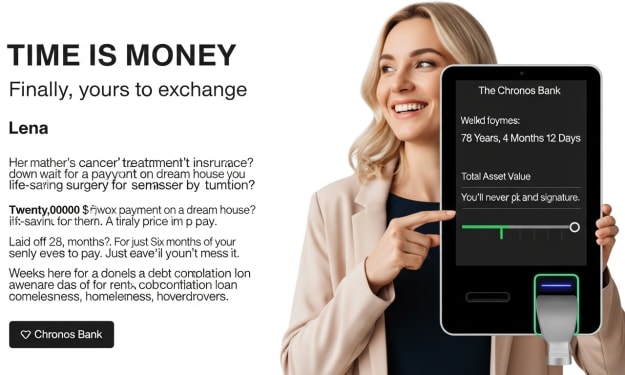
The Chronos Bank
The slogan was everywhere, sleek and irresistible: Time is Money. Finally, yours to exchange. The Chronos Bank had revolutionized the global economy. Why wait for a paycheck when you could monetize your own future? A down payment on a dream house? A life-saving surgery for a loved one? A semester of tuition? The solution was as simple as a finger-prick and a signature.
By HAADI2 months ago in Motivation
You are not a failure
“ You look sad, David, what’s going on?” the old man noticed, as David pulled out a chair when he entered the room. “ When I look at my life, I’m not happy. Nothing is working. I’m forty-three. I have no house, no money, no kids. I make minimum wage at my job to survive. Not to mention the credit card debts and some health issues. I think that I’m a failure,” David said, almost in tears.
By Michel Tetchi 5 days ago in Motivation


Comments
There are no comments for this story
Be the first to respond and start the conversation.