
The Science Behind a Good Night’s Sleep
Keywords: sleep, health, productivity

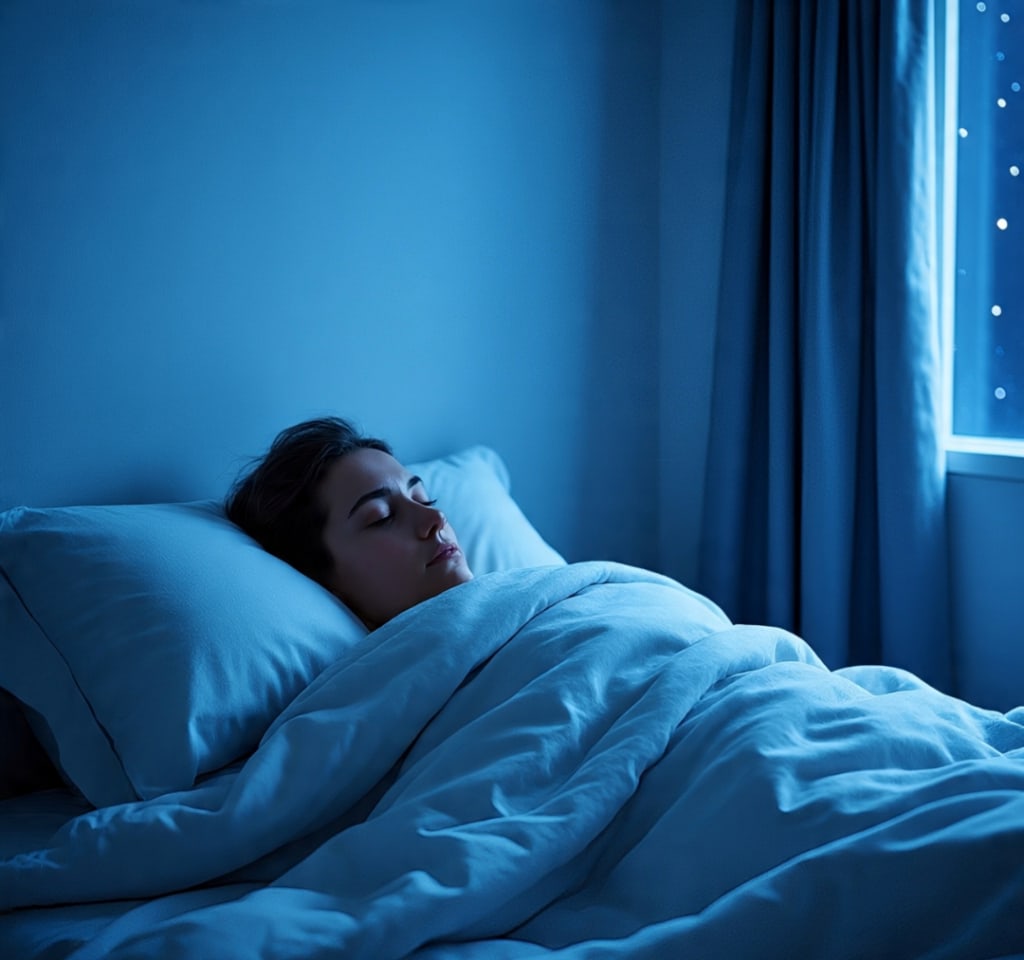
Introduction: Why Sleep Deserves More Respect
In a world that never seems to slow down, sleep has become one of the most underestimated elements of a healthy life. People sacrifice it for work, entertainment, or study, often treating it as optional. Yet, science tells a different story — sleep is not a luxury, it’s a necessity. It’s as vital as eating well or exercising. A good night’s sleep restores the body, sharpens the mind, and fuels productivity. Understanding how sleep works — and what happens when we don’t get enough — can completely transform how we approach rest and health.
---
The Architecture of Sleep: Understanding Sleep Cycles
When you close your eyes and drift off, your brain doesn’t simply “turn off.” Instead, it moves through a fascinating series of stages known as sleep cycles. Each cycle lasts about 90 minutes and includes four main stages:
1. Stage 1: Light Sleep – This is the transition between wakefulness and sleep. Muscles relax, and breathing slows down. It’s easy to wake up during this stage.
2. Stage 2: Deeper Sleep – Heart rate and temperature drop. The body starts preparing for physical recovery.
3. Stage 3: Deep Sleep (Slow-Wave Sleep) – This is the most restorative phase, when tissue repair and growth occur. The immune system strengthens, and the brain clears waste.
4. Stage 4: REM Sleep (Rapid Eye Movement) – Dreams occur here. The brain becomes active, consolidating memories and processing emotions.
Throughout the night, your body cycles through these stages several times. Missing or disrupting these cycles — such as waking up repeatedly — means missing out on the full benefits of sleep.
---
The Hidden Connection Between Sleep and Health
Science has repeatedly proven that quality sleep is the foundation of good health. Every system in the body relies on it — from the heart to the brain to the immune system.
Heart Health: Poor sleep increases the risk of hypertension, heart attack, and stroke. During deep sleep, blood pressure naturally drops, giving your cardiovascular system a much-needed rest.
Metabolism and Weight: Lack of sleep disrupts hormones like leptin and ghrelin, which control hunger. This makes you crave more calories, especially sugary and fatty foods.
Immune System: During sleep, your body produces cytokines, proteins that fight infection and inflammation. Skipping sleep makes you more vulnerable to colds and viruses.
Mental Health: Sleep plays a key role in emotional regulation. Chronic sleep deprivation is linked to anxiety, depression, and mood swings.
Simply put, without enough quality sleep, your body and mind begin to fall apart — slowly but surely.
---
How Sleep Influences Productivity and Focus
Sleep doesn’t just restore the body; it recharges the mind. A good night’s rest improves memory, decision-making, and creativity — all essential ingredients for productivity.
During REM sleep, the brain organizes and stores memories, linking new information with what you already know. This is why students who sleep after studying perform better on tests than those who stay up all night.
Sleep also enhances focus and attention. When you’re well-rested, your brain can process information efficiently, solve problems faster, and stay calm under pressure. Conversely, even one night of poor sleep can make you slower, more forgetful, and easily distracted.
In the workplace, employees who sleep less than six hours are far more likely to make mistakes or lose motivation. In contrast, those who prioritize seven to eight hours of sleep are not only more productive but also more creative and emotionally stable.
---
Practical Steps to Improve Your Sleep
Fortunately, improving your sleep doesn’t require drastic changes — just consistent habits. Here are a few evidence-based tips:
Stick to a routine: Go to bed and wake up at the same time every day, even on weekends.
Limit screen time: Blue light from phones and laptops interferes with melatonin, the sleep hormone. Try to avoid screens at least an hour before bed.
Create a calm environment: Keep your room dark, cool, and quiet. A comfortable pillow and mattress make a huge difference.
Avoid caffeine and heavy meals at night: Both can disrupt your natural sleep rhythm.
Wind down naturally: Reading, meditation, or gentle stretching can help your body recognize it’s time to rest.
These small steps, when practiced regularly, can significantly enhance the quality of your sleep — and, in turn, your life.
---
Conclusion: Sleep Is the Ultimate Superpower
Good sleep is not wasted time; it’s an investment in your health, mood, and productivity. It’s during sleep that your brain resets, your cells repair, and your mind finds balance. The next time you’re tempted to stay up scrolling or working late, remember: a full night’s sleep doesn’t just make you feel better — it makes you perform better, think sharper, and live longer.
In the end, science couldn’t be clearer — a good night’s sleep isn’t just rest; it’s renewal.
---
About the Creator
Gohar Ali
Welcome 🤗. A soul who turns emotions into words—writing stories and poetry that touch the heart, awaken dreams, and inspire hope. Every piece is crafted to pull you in, feel deeply, and see the beauty hidden in life’s moments.
Keep reading
More stories from Gohar Ali and writers in Motivation and other communities.
The Bureaucrat Who Said No: How a Junior FDA Scientist Stood Between America and a Medical Apocalypse
The inspiring true story of Dr. Frances Oldham Kelsey, the FDA reviewer who blocked the approval of thalidomide in the United States, preventing thousands of birth defects and rewriting the laws of modern medicine.
By Frank Massey 5 days ago in Motivation
Where's the Glory?
In breaking news, rehabilitated Republican Senator Johnnie Johnson (Pronouns: HE, HIM, HIS) called a press conference from the Men’s room of the New Orleans Louis Armstrong International Airport, Concourse B, across from the Ignatius Reilly’s Lucky Dog stand. The Senator had just returned from a sexual reorientation rehabilitation program in Memphis, TN after being publically disgraced at a Buckee’s Truckstop restroom soliciting sex from an undercover cop three months ago. He is a founding member of the Reformed Christians for Christ, a conservative, pro-family and ex-gay advocacy group. In the spirit of being reborn, Senator Johnson invited reporters to marvel at his plans for a major remodeling of airport bathrooms.
By Cathy Schieffelin5 days ago in Humor



Comments
There are no comments for this story
Be the first to respond and start the conversation.