
The Role of Exercise in Weight Loss:
Finding the Right Balance
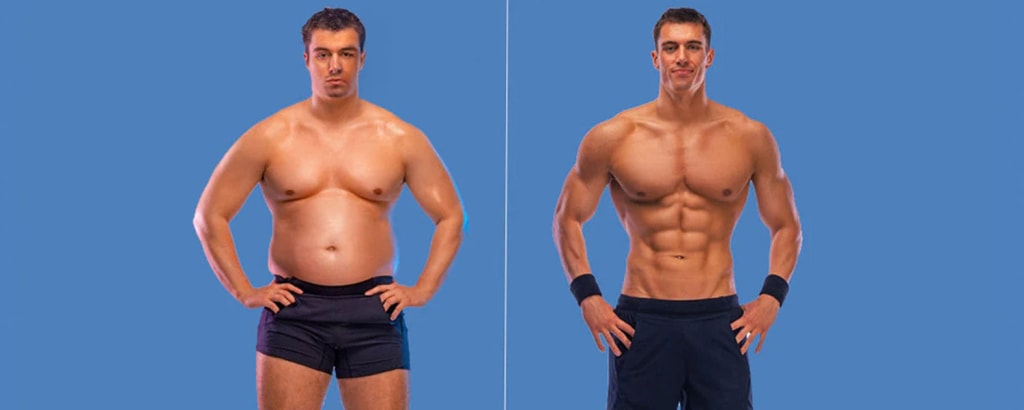
Losing weight effectively requires both diet and exercise, but understanding the role of physical activity in the process is crucial. While diet is often the primary driver of weight loss, exercise provides numerous benefits that enhance and sustain long-term results. However, not all workouts are equally effective, and choosing the right combination of exercises can maximize fat loss, preserve muscle, and improve overall health.
This article explores how exercise contributes to weight loss, the best types of workouts, and how to create a sustainable fitness routine.
---
Understanding the Science: How Exercise Affects Weight Loss
Weight loss occurs when you burn more calories than you consume, creating a caloric deficit. Exercise plays a key role in this process by increasing calorie expenditure and helping maintain muscle mass, which keeps your metabolism high.
How Many Calories Does Exercise Burn?
Different activities burn varying amounts of calories. Here’s a rough estimate of calorie burn for a 70kg (154lb) person performing common exercises for 30 minutes:
Running (10km/h or 6mph) – 350 calories
Cycling (moderate pace) – 250 calories
Swimming – 200–300 calories
Jump rope – 350–400 calories
Weight training – 150–200 calories
Walking (5km/h or 3mph) – 120 calories
While exercise alone may not cause rapid weight loss, it significantly enhances fat burning, improves fitness, and prevents muscle loss.
---
Best Types of Exercise for Weight Loss
Not all workouts are equally effective for shedding excess weight. The best approach is a combination of different exercise types that target both fat burning and muscle preservation.
1. Cardiovascular Exercise (Cardio)
Cardio workouts are essential for burning calories and improving heart health. They increase energy expenditure and help create a caloric deficit.
Effective Cardio Workouts:
High-Intensity Interval Training (HIIT) – Short bursts of intense activity followed by rest periods. HIIT burns more fat in less time than steady-state cardio.
Running or Jogging – A simple but effective way to burn calories and improve endurance.
Cycling – Great for cardiovascular health and leg muscle endurance.
Swimming – A full-body workout that burns fat while being easy on the joints.
Best Practices for Cardio:
✅ Aim for at least 150 minutes of moderate or 75 minutes of vigorous cardio per week.
✅ For faster fat loss, include 3–4 HIIT sessions per week.
✅ Mix different cardio workouts to prevent boredom and maximize results.
2. Strength Training (Resistance Training)
Strength training is crucial for maintaining lean muscle mass during weight loss. More muscle means a higher resting metabolic rate, leading to more calories burned even at rest.
Best Strength Training Exercises:
Squats, deadlifts, lunges – Target large muscle groups and burn more calories.
Push-ups, pull-ups, bench presses – Build upper-body strength and improve posture.
Dumbbell or barbell exercises – Help with controlled muscle building.
Benefits of Strength Training for Weight Loss:
✅ Prevents muscle loss while reducing fat.
✅ Boosts metabolism for continued fat burning post-workout.
✅ Improves body composition, making you look leaner and more toned.
Best Practices:
✅ Train major muscle groups at least 2–3 times per week.
✅ Focus on progressive overload (gradually increasing weights).
✅ Combine strength training with cardio for maximum fat loss and muscle retention.
3. Functional and Flexibility Training
While strength and cardio are key for fat loss, functional and flexibility exercises enhance mobility, injury prevention, and recovery.
Recommended Exercises:
Yoga – Improves flexibility, reduces stress, and enhances recovery.
Pilates – Strengthens core muscles and improves posture.
Bodyweight Exercises – Squats, lunges, and push-ups maintain mobility and balance.
✅ Stretching and flexibility work prevent injuries and improve performance.
✅ Functional workouts help with daily movements and overall fitness.
---
Creating an Effective Weight Loss Exercise Plan
1. Set Realistic Goals
Weight loss takes time. Aim for a safe and sustainable fat loss of 0.5–1kg (1–2lbs) per week. Avoid overtraining, which can lead to burnout or injuries.
2. Mix Different Workouts
A balanced routine includes:
Cardio (3–5 times per week) for calorie burning.
Strength training (2–3 times per week) to maintain muscle.
Flexibility/mobility work (1–2 times per week) for injury prevention.
3. Increase Intensity Gradually
Start at a manageable pace and gradually increase intensity, duration, and resistance.
4. Prioritize Recovery
Rest is as important as exercise. Overworking the body leads to fatigue and slows progress. Ensure:
✅ At least 1–2 rest days per week.
✅ Adequate sleep (7–9 hours per night) for muscle recovery.
✅ Proper hydration and nutrition to support recovery and prevent injuries.
---
Exercise vs. Diet: Which One is More Important?
While both are essential, studies show that diet has a greater impact on weight loss than exercise alone.
For example:
Exercise without diet changes = Slow weight loss or no progress.
Diet without exercise = Weight loss but potential muscle loss.
Diet + Exercise = Best results, including fat loss, muscle preservation, and improved health.
💡 Key Takeaway: You cannot out-exercise a bad diet. Combine smart eating with an effective workout routine for lasting weight loss results.
---
Final Thoughts: The Best Approach to Exercise for Weight Loss
Losing weight isn’t just about burning calories—it’s about creating a sustainable lifestyle that combines exercise, proper nutrition, and healthy habits.
Key Takeaways:
✅ Cardio exercises help burn fat and improve heart health.
✅ Strength training prevents muscle loss and boosts metabolism.
✅ A combination of different exercises yields the best long-term results.
✅ Diet remains the primary driver of weight loss, but exercise enhances the process.
✅ Consistency and progression are more important than intensity alone.
By finding an exercise routine that you enjoy and can sustain, you’ll not only lose weight but also feel stronger, healthier, and more energetic for life!
About the Creator
Keep reading
More stories from Stefan Rowles and writers in Motivation and other communities.
Nutritional Strategies for Effective Weight Loss
When it comes to weight loss, what you eat matters more than how much you exercise. While physical activity is essential for overall health, research shows that diet has a greater impact on weight loss. Exercise can help you burn calories, but if your diet is not well-balanced, weight loss will be difficult to achieve.
By Stefan Rowles12 months ago in Motivation
One Hard Thing
Stop me if you’ve heard this one before: You have the number, you know your schedule- you’ve even picked out the perfect day and time to make this appointment. Shoot, you’ve even picked out alternative days and times just in case their schedules can’t accommodate you!
By Taylor Rigsby5 days ago in Motivation



Comments
There are no comments for this story
Be the first to respond and start the conversation.