
Nutritional Strategies for Effective Weight Loss
Eat Smart:
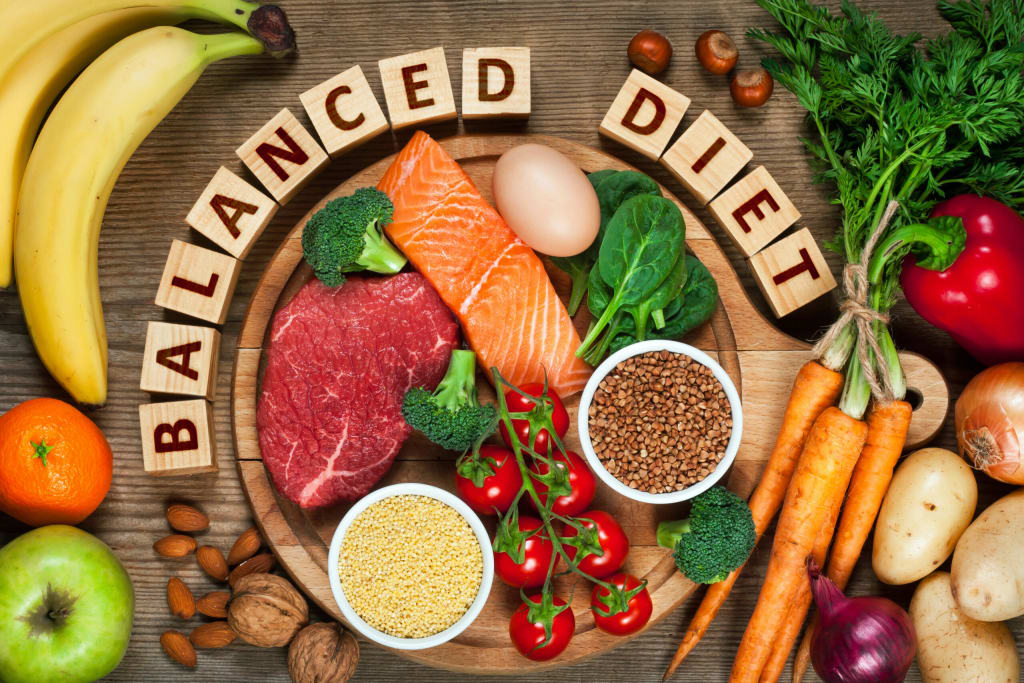
When it comes to weight loss, what you eat matters more than how much you exercise. While physical activity is essential for overall health, research shows that diet has a greater impact on weight loss. Exercise can help you burn calories, but if your diet is not well-balanced, weight loss will be difficult to achieve.
The key to healthy, sustainable weight loss is not starvation or fad diets—it’s about making smart food choices that support your metabolism, keep you full longer, and help you maintain energy levels. This article explores proven nutritional strategies that promote effective weight loss.
---
Why Diet Plays a Bigger Role Than Exercise in Weight Loss
Weight loss ultimately comes down to a caloric deficit—burning more calories than you consume. However, it is much easier to control calorie intake through diet than to burn excess calories through exercise.
For example:
Running for 30 minutes burns approximately 300–400 calories.
A fast-food meal (burger, fries, and soda) can easily exceed 1,200 calories.
This means that if you eat poorly, you would have to exercise for hours daily just to compensate. Eating smarter allows you to create a calorie deficit without excessive exercise.
---
Balanced Nutrition for Weight Loss
A successful weight loss diet is not just about cutting calories—it’s about eating the right foods that provide essential nutrients while keeping you full and satisfied.
1. Prioritize Protein Intake
Protein is a crucial nutrient for weight loss because it:
✅ Increases satiety (helps you feel full longer).
✅ Preserves muscle mass while losing fat.
✅ Boosts metabolism, as the body burns more calories digesting protein than carbs or fats.
Best Protein Sources:
Lean meats (chicken, turkey, fish)
Eggs
Greek yogurt
Cottage cheese
Lentils, beans, and tofu
Pro Tip: Aim for 20–30g of protein per meal to maximize benefits.
2. Eat More Fiber-Rich Foods
Fiber plays a key role in weight loss by:
✅ Slowing digestion, keeping you full for longer.
✅ Regulating blood sugar levels, preventing energy crashes and cravings.
✅ Supporting gut health, which is linked to better metabolism.
Best Fiber Sources:
Vegetables (broccoli, spinach, carrots)
Fruits (berries, apples, pears)
Whole grains (oats, brown rice, quinoa)
Legumes (chickpeas, black beans, lentils)
Pro Tip: Increase fiber intake gradually to avoid bloating and drink plenty of water.
3. Choose Healthy Fats Over Bad Fats
Many people believe all fats lead to weight gain, but that’s a myth. Healthy fats actually help with weight loss by:
✅ Keeping you full and reducing cravings.
✅ Supporting hormone regulation, which affects metabolism.
✅ Enhancing the absorption of fat-soluble vitamins (A, D, E, K).
Best Healthy Fat Sources:
Avocados
Nuts and seeds (almonds, chia seeds, flaxseeds)
Olive oil and coconut oil
Fatty fish (salmon, mackerel, sardines)
Avoid unhealthy fats found in fried foods, processed snacks, and fast food, as they contribute to inflammation and weight gain.
4. Reduce Sugar and Refined Carbohydrates
Sugary and processed foods are the biggest obstacles to weight loss. They:
❌ Spike blood sugar levels, leading to hunger and cravings.
❌ Contribute to fat storage, especially around the abdomen.
❌ Increase risk of metabolic disorders like diabetes and obesity.
Foods to Avoid or Limit:
Sugary drinks (soda, fruit juices, energy drinks)
White bread, pastries, and processed cereals
Candy and baked goods
Highly processed snacks (chips, flavored crackers)
Instead, choose whole grains, fresh fruits, and natural sweeteners like honey or stevia in moderation.
---
Smart Eating Habits for Weight Loss
It’s not just about what you eat—it’s about how you eat. Developing better eating habits can help prevent overeating and improve digestion.
1. Practice Portion Control
Overeating, even healthy foods, can still lead to weight gain.
✅ Use smaller plates to trick your brain into thinking you have more food.
✅ Stick to measured portions, especially for high-calorie foods like nuts and oils.
✅ When eating out, ask for half-portions or take leftovers home.
2. Eat Slowly and Mindfully
Eating too fast prevents your brain from recognizing when you’re full, leading to overeating.
✅ Chew food thoroughly and eat without distractions (TV, phone).
✅ Pay attention to hunger and fullness cues—eat when hungry, stop when satisfied.
✅ Avoid emotional eating by finding healthier ways to manage stress, like meditation or exercise.
3. Stay Hydrated
Drinking plenty of water is essential for weight loss.
✅ Water boosts metabolism and helps burn calories.
✅ Drinking before meals can reduce calorie intake.
✅ Replacing sugary drinks with water significantly lowers daily calorie consumption.
Aim for 2–3 liters of water per day, and more if you exercise regularly.
4. Plan and Prepare Meals
Planning meals in advance helps you avoid unhealthy last-minute food choices.
✅ Cook meals at home to control ingredients and portion sizes.
✅ Prep healthy snacks (nuts, yogurt, fruit) to prevent junk food cravings.
✅ Keep unhealthy foods out of sight to reduce temptation.
---
Final Thoughts: Sustainable Weight Loss Through Smart Eating
The key to effective, long-term weight loss is not extreme dieting but balanced nutrition and better food choices.
Key Takeaways:
✅ Focus on protein, fiber, and healthy fats for better satiety and metabolism.
✅ Avoid processed foods, sugary drinks, and refined carbs to prevent cravings and fat storage.
✅ Practice mindful eating, portion control, and hydration to regulate hunger.
✅ Plan meals in advance to avoid impulsive unhealthy choices.
By eating smart, you can lose weight naturally, improve your overall health, and create habits that last a lifetime!
About the Creator
Keep reading
More stories from Stefan Rowles and writers in Motivation and other communities.
The Science of Sustainable Weight Loss:
The Science of Sustainable Weight Loss: How to Shed Pounds Safely Losing weight and keeping it off requires a long-term approach rather than quick fixes. Many diets promise rapid weight loss, but they often result in yo-yo dieting, where weight is quickly regained after the diet ends. This happens because extreme dieting is not sustainable, and once people return to their old eating habits, the lost weight comes back.
By Stefan Rowles12 months ago in Motivation
One Hard Thing
Stop me if you’ve heard this one before: You have the number, you know your schedule- you’ve even picked out the perfect day and time to make this appointment. Shoot, you’ve even picked out alternative days and times just in case their schedules can’t accommodate you!
By Taylor Rigsby5 days ago in Motivation
Stop Forcing Motivation: How to Create Systems that Support You
Most people believe productivity depends on motivation. They wait to feel inspired. They hope tomorrow they’ll wake up energized, focused, and ready to tackle everything. When that motivation doesn’t appear, they blame themselves. They call themselves lazy, undisciplined, or inconsistent.
By Stacy Valentine3 days ago in Motivation
Instructions Included Challenge Winners
For the Instructions Included challenge, we asked writers to tell a story through instructions and to trust the form to carry what could not be said outright. Across the top entries, that trust paid off in many different ways.
By Vocal Curation Team2 days ago in Resources



Comments
There are no comments for this story
Be the first to respond and start the conversation.