
The Roads We Take:
A Son’s Journey to Freedom Inspired by Roads by Chris Mann

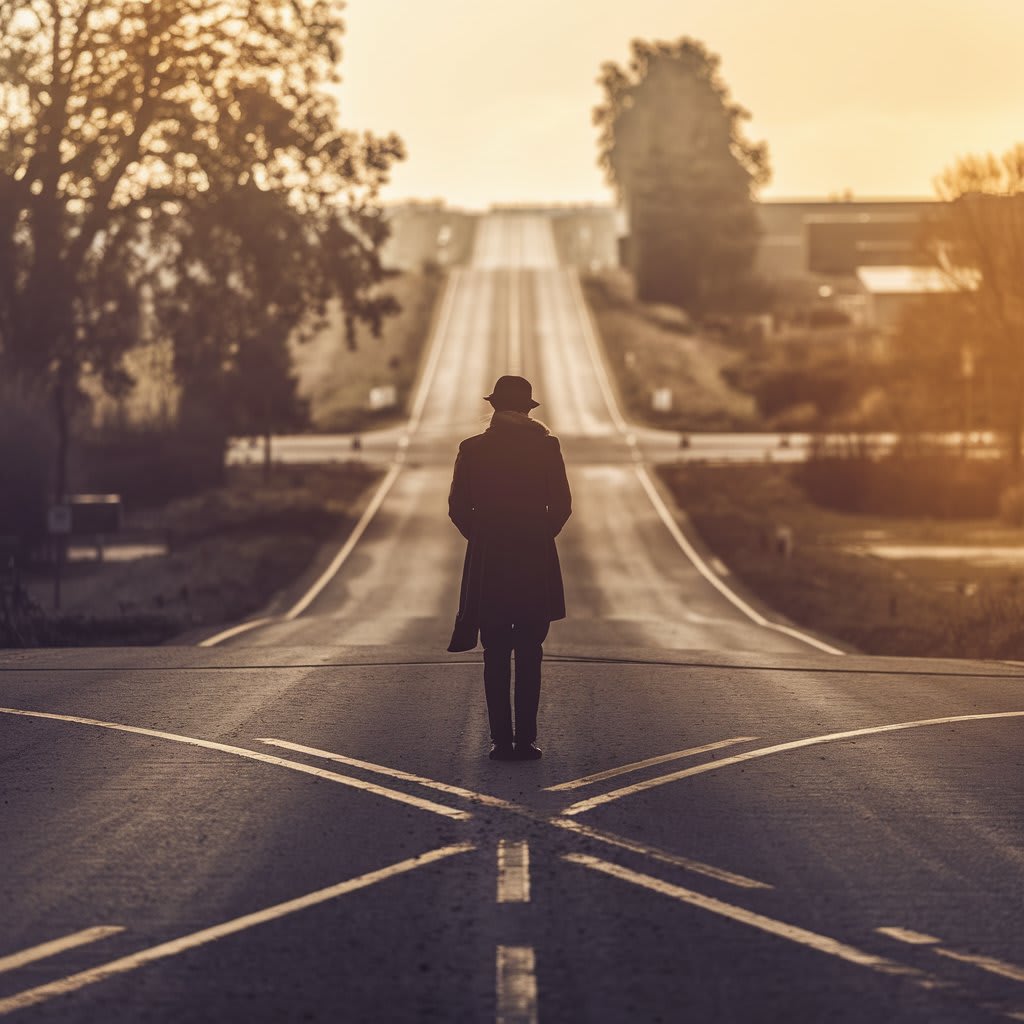
Sometimes, the hardest road to take is the one that leads away — but it’s also the one that leads to freedom.
The road stretched endlessly before him, an open invitation to a future he had never dared to imagine. The rain drummed lightly against the windshield, and the distant glow of streetlights flickered like tiny beacons guiding him away from the place he once called home. His hands trembled as they gripped the steering wheel, his mind tangled in the echoes of a voice that had controlled him for as long as he could remember.
“You’ll never make it without me.”
“You’re too weak.”
“Go ahead and run, but don’t come crawling back when you fail.”
Her words still lived inside him, even now, miles away from the house where they had been drilled into his mind. He had spent years believing them, letting them shape his world, holding him captive in a prison without walls. But tonight was different. Tonight, he had left.
As the soft melody of Roads by Chris Mann played through the car speakers, something inside him cracked open.
“It’s hard to say goodbye when all I’ve ever known is you.”
A lump formed in his throat. The song wasn’t just music — it was his story, his struggle, his escape.
A House That Felt Like a Cage
Growing up, he had been taught that love came at a cost. His mother wasn’t the kind to hit or scream — her weapons were far sharper than that. She broke him with words, with silence, with control so suffocating it made him forget who he was.
She called it love. But real love didn’t leave bruises on the soul.
Every decision he made had to be approved by her. Every success was never quite enough. If he expressed pain, she dismissed it. If he set boundaries, she shattered them. If he tried to leave, she pulled him back — harder, crueler.
And when the PTSD started creeping in, when the anxiety became unbearable, she rolled her eyes and called him dramatic.
“You wouldn’t last a day in the real world.”
For the longest time, he believed her.
🔗 Learn more about the effects of narcissistic abuse:
Psychology Today — Understanding Narcissistic Abuse
The Breaking Point
There wasn’t one single moment that made him leave — it was a thousand small ones, tiny betrayals stacking up until he couldn’t breathe under their weight.
It was the time she mocked his panic attack, telling him to “stop acting crazy.”
It was the time she threw away his acceptance letter to college, deciding for him that he “wasn’t ready to leave.”
It was the time he told her about his PTSD, and she laughed.
“You think you have trauma? From what? Having a mother who gave you everything?”
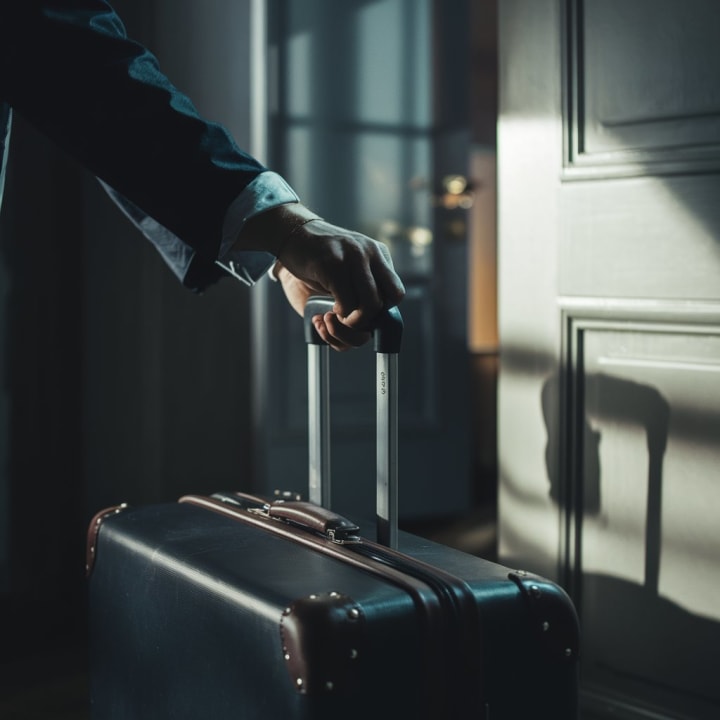
That was the moment he packed his bag. Not with certainty. Not with anger. But with a quiet, desperate need to survive.
🔗 Emotional abuse is real and valid. If you need help, visit:
The National Domestic Violence Hotline
The Road Away from Her
Leaving wasn’t a grand, cinematic moment. There was no shouting, no dramatic farewell. Just him, slipping out the door, feeling like a thief in his own life.
The night air felt heavy on his skin. He got in the car, turned the key, and drove.
Now, with the dark highway stretching before him, reality was setting in.
He had left.
And yet, the weight on his chest hadn’t disappeared. The guilt was there, creeping in like an old friend, whispering that he had abandoned her. That he was selfish. That she had only ever tried to help him.
The voice in his head sounded a lot like hers.
But then, Chris Mann’s voice cut through the noise.
“I don’t know where they lead, but I know I have to go.”
For the first time in his life, he wasn’t running from something.
He was running toward something.
🔗 If you’re looking for therapy options to recover from narcissistic abuse, check out this guide:
BetterHelp — Narcissistic Abuse Recovery Therapy
Healing on the Other Side
The road away from his mother wasn’t smooth. It was filled with self-doubt, late nights staring at the ceiling, wondering if maybe, just maybe, she had been right.
But then, there were other nights. Nights where he could breathe without fear. In the mornings, when he woke up, he realized he didn’t have to explain himself to anyone—moments where he decided without hearing her voice in his head.
Healing wasn’t fast. It wasn’t easy. Some days, the wounds still felt fresh.
But the further he got from her, the clearer the truth became — he was never weak. He was never worthless. He was never hers to break.
Chris Mann’s lyrics stayed with him —
“The roads that lay before me now, they lead me on.”
And for the first time, he believed it.
🔗 PTSD isn’t just for war veterans — it can be caused by prolonged emotional trauma. Learn more:
National Center for PTSD — Coping Strategies & Support
The Road Ahead
He knew she would call one day. He knew the conversation by heart.
She would tell him he was selfish, that he had broken her heart, and that she had done everything for him.
And for the first time, he wouldn’t believe her.
Because now, he knew the truth: he was not weak enough to leave. He was strong enough to survive.
The road ahead was still uncertain, messy, and terrifying. But it was his.
And that was enough.
🔗 Understanding PTSD and C-PTSD can help you move forward. Read more:
Mental Health America — PTSD & Emotional Healing
Why Roads by Chris Mann Speaks to Survivors of Narcissistic Abuse
For those who have walked away from toxic family members, Roads is more than just a song — it’s a mirror.
It captures:
The pain of leaving, even when it’s necessary.
The fear of the unknown.
The hope that healing is possible.
If you are standing at the edge of your past, wondering if you have the strength to walk away, remember this:
You are not weak for leaving.
You are not selfish in choosing yourself.
You are not alone.
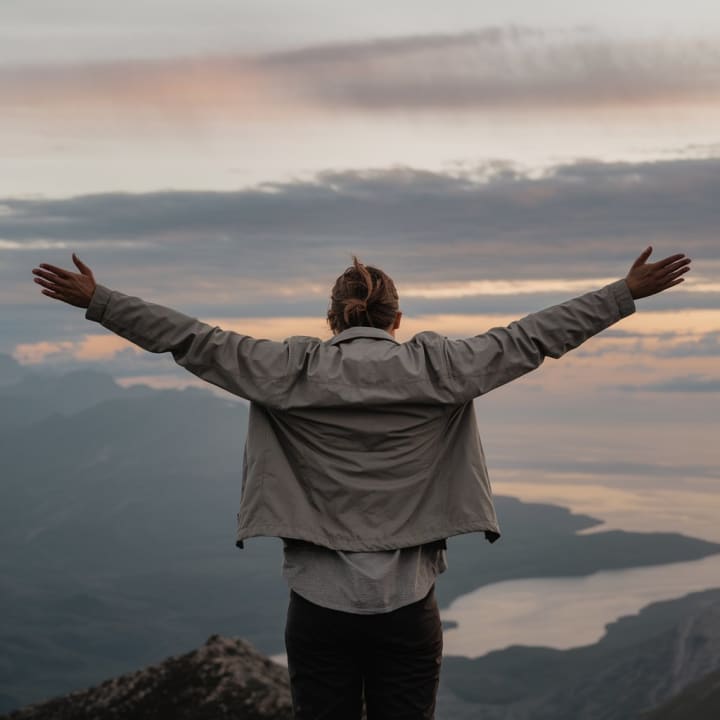
The road ahead may be uncertain. But as long as you keep moving forward, you are already free.
And that is a road worth taking.
FAQs
1. How do I know if my mother is narcissistic?
If she constantly manipulates, guilt-trips, belittles, and controls you while making herself the victim, she likely has narcissistic tendencies.
2. Is it okay to cut off a toxic parent?
Yes. Emotional abuse is just as damaging as physical abuse. You have the right to protect your peace.
3. Why do I feel guilty after leaving?
Because you were raised to believe your worth was tied to her approval. But it’s not. You deserve freedom.
🔗 For step-by-step guidance on healing from a narcissistic parent, visit:
Survivor’s Guide to Healing from Narcissistic Parents
4. What if she tries to pull me back?
Set firm boundaries. No contact is an option. Your mental health is not up for negotiation.
5. How do I heal after leaving?
Therapy to unlearn toxic beliefs.
Surround yourself with people who lift you up.
Give yourself permission to exist without guilt.
Final Note
If Roads resonates with you, let it be a reminder:
You are not alone. And the road ahead leads to freedom.
Would you like even more depth, or does this capture exactly what you had in mind?
Inspirational & Motivational Support
Chris Mann’s Official Website — Music & Lyrics:
YouTube — Roads by Chris Mann (Official Music Video):

About Your True Direction
Your True Direction is dedicated to empowering individuals navigating life’s transitions. Through inspiring stories and actionable strategies, we aim to help you reclaim ambition, overcome challenges, and thrive in every stage of your journey.
Connect with Us
Follow us on Medium @YourTrueDirection
Your journey is yours to shape — take the next step in Your True Direction.
About the Creator
R.T. Garner
I am passionate about helping people achieve more than they ever thought possible. I am vibrant, alive, full of possibilities. I ache from a desire to create positive change, and I am driven to help others realize their own potential.
Keep reading
More stories from R.T. Garner and writers in Motivation and other communities.
Narcissistic Parenting — How They Keep You Small and Powerless
Last time, we exposed the sneaky truth behind the phrase, “You’re not a parent, so you don’t understand.” It’s more than just dismissive — it’s a weapon in the narcissist’s arsenal of control. This time, we’re diving even deeper to uncover how narcissistic parents use manipulation to keep you doubting yourself and stuck in their cycle of power plays.
By R.T. GarnerExclusive • about a year ago
Looking back: 2025 was a beast
It's difficult to know how to start this. I've suggested that it's been a tough one from my title and in many ways, it has; however, there is an argument that it's not been that extraordinary at all, merely this wonderful thing we call "life" with all its climaxes and pitfalls.
By Rachel Deeming25 days ago in Motivation
everything happens for a reason
People often say everything happens for a reason. Let's understand why. One day in a forest, a young man came to meet a wise saint. He was very sad and crying. The saint asked what happened. The young man said, "Everything I had is gone." Robbers stole everything. I have nothing left. Not even a way to go home. How can this be good? It's the worst thing ever. How can you say it's for the better? The saint replied, "Let me explain through a story," the saint began. Once a terrible flood hit a small village, washing away everything. A poor farmer's family lost even their little store of grain. The farmer's son said calmly, "It's okay, father. Let it go. Whatever happened happened for good." The farmer got angry and said, "Why are you saying such foolish things? Everything we had is gone. We don't even have food or shelter. He shouted at his son, "Go away. Leave me alone." The boy left in tears. But as evening came and the boy hadn't returned, the farmer felt regret. Suddenly, a rescue boat came and saved them. A villager said, "You scolded that boy for no reason. He was right. We got saved after all." But the farmer said, "How is this good? We still have no home, no food. What will we do now?" His wife said, "We may not have money, but don't lose hope. We'll manage somehow. I'll start working in nearby houses to earn a little. That will help us survive." The next day, the farmer went to the city to find work. He looked everywhere, but didn't get any work. He was worried. How would he take care of his family? They had no real house, just a small heart made from straw. One day, the farmer looked at his poor crops and felt even more hopeless. He said, "My son left home, too. I have lost everything." And people still say, "Whatever happens is for the best. How can this be good?" His wife consoled him. Don't worry so much. Try again. Things will get better. The Palmer agreed and went to search for work again. But again he found nothing. On the way back he met a saint. The saint asked him what was wrong. The farmer explained how the flood took everything. His house food and how life had become very hard. The saint said exactly that's why I'm saying what happened was good. The farmer got angry. How can you say that? I'm suffering. I have nothing. Even my son left me. The saint calmly said, "The answer to all your questions will come with time. Don't worry." That night, after the saint had spoken, the farmer sat quietly, thinking deeply about the words. He wondered if it could really be true that everything happens for a good reason. Later, the farmer got a job at a rich merchant's house. The merchant was kind and paid well. He even offered the farmer a house nearby to live in. One night, someone knocked at the farmer's door. When he opened it, he was shocked. It was his son. The son said, "You moved and didn't even tell me. I searched and found you here. I left that day and went to the city to find work. I got a small job first and then I saved enough to start a little tea stall. Slowly, I built a better life." The farmer was overjoyed. As his son spoke, he realized that even when everything seems wrong, life has a bigger plan, one that only time can reveal. The young man who was listening to this story said, "Okay, but in my case, everything was stolen. What good is in that?" The saint smiled and said, "Actually, I found something in the forest. Here, take this. It was a glowing stone." The young man realized it was a philosopher's stone, a magical stone that turns iron into gold. He said, "If my stuff hadn't been stolen, I wouldn't have come to the forest. I wouldn't have met you, and I wouldn't have found this treasure." So, friends, what did we learn from today's story? No matter how bad things get, time changes everything. Painful moments pass. Never make decisions in bad times that you'll regret later. Even the worst situations often lead to something better.
By nawab sagar4 days ago in Motivation


Comments (1)
Powerful and deeply moving! Walking away isn’t weakness—it’s courage. The road to healing is yours to take.