
The Rise of Treat Culture: Why We Splurge to Survive the Daily Grind
From Matcha Croissants to Mindful Indulgence — How Small Luxuries Are Shaping Our Lives (And What It Costs Us

The Rise of Treat Culture: Indulgence in the Modern Age
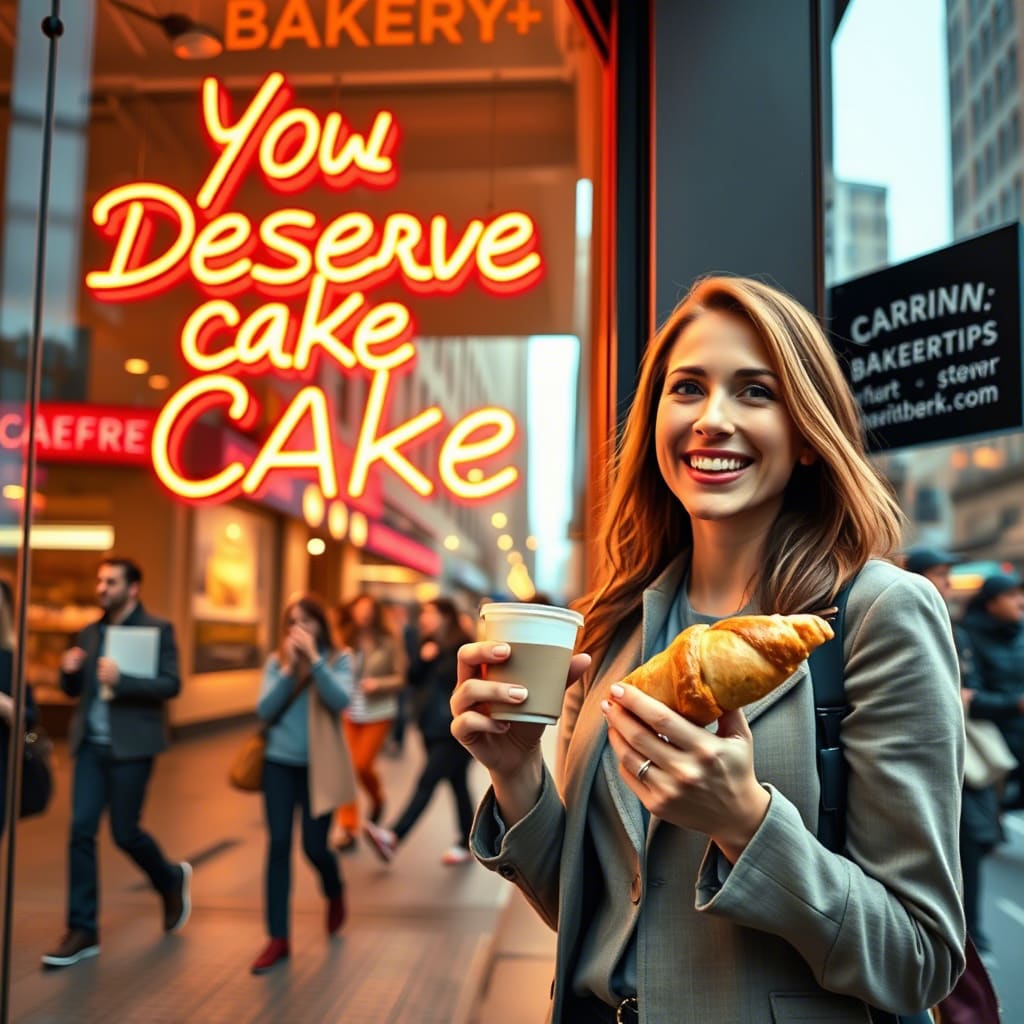
You’ve had a day. Work was chaos, your inbox is a nightmare, and the commute home felt like a scene from a dystopian movie. But then you pass that little bakery with the neon sign that reads, “You Deserve Cake.” Suddenly, you’re holding a $7 latte in one hand and a matcha croissant in the other, and for a moment, life feels…better. Sound familiar? Welcome to the age of treat culture a world where small indulgences have become our go-to coping mechanism, our daily rewards, and sometimes, our guilty pleasures.
But how did we get here? Why does it feel like everyone is suddenly “treating themselves” to overpriced smoothies, luxury skincare, and TikTok-viral gadgets? And is this trend harmless fun, or is there a darker side to our collective obsession with instant gratification? Let’s dig in.
What Even Is Treat Culture?
Treat culture isn’t just about eating dessert before dinner (though that’s part of it). It’s the mindset that justifies buying, consuming, or indulging in small luxuries *because you’ve earned it*. It’s the voice that says, “I worked hard today—I deserve this $18 cocktail.” It’s the logic behind “retail therapy” sprees and the reason your Instagram feed is flooded with #TreatYourself hashtags.
Unlike the occasional splurge, treat culture is systemic. It’s baked into marketing campaigns (“Go ahead, you’re worth it”), social media trends (ever heard of “little treat economics”?), and even workplace rituals (cake in the break room for surviving another Monday). These micro-indulgences are framed as acts of **self-care**—a way to combat burnout, celebrate small wins, or simply add joy to an otherwise monotonous routine.
But here’s the twist: What was once occasional has become habitual. The “treat” is no longer a rare exception; it’s a daily expectation.
Why Now? The Perfect Storm Fueling Our Indulgence
To understand treat culture’s rise, we need to look at the messy cocktail of modern life:
1. Burnout, Baby, Burnout
Let’s face it—we’re exhausted. The 9-to-5 grind has morphed into a 24/7 hustle thanks to remote work, gig economies, and side hustles. A 2023 study by the American Psychological Association found that 77% of adults reported feeling overwhelmed by their responsibilities. When big fixes (like quitting your job or moving to Bali) aren’t feasible, small treats act as **emotional band-aids**. That midday cookie isn’t just sugar; it’s a tiny rebellion against the grind.
2. Social Media: The Comparison Trap
Scrolling through TikTok or Instagram, you’re bombarded with influencers sipping artisanal lattes, unboxing luxury hauls, or posing in cozy “self-care Sundays” setups. These curated glimpses into “perfect” lives create **FOMO** (fear of missing out) and normalize indulgence. If everyone else is treating themselves, why shouldn’t you? Platforms thrive on viral trends like #TreatCulture, turning occasional splurges into social currency.
3. The Consumerism Machine
Corporations have weaponized our cravings. Limited-edition snacks, subscription boxes, and “affordable luxury” branding target our psychological weak spots. Starbucks isn’t selling coffee—it’s selling a *moment*. Sephora isn’t hawking lipstick; it’s peddling confidence. By framing products as rewards, companies tap into our desire for instant gratification. And with apps like DoorDash and Amazon Prime, indulgence is just a click away.
4. The Pandemic Hangover
COVID-19 rewired our brains. Lockdowns taught us to find comfort in small pleasures—sourdough baking, online shopping, Netflix binges. Post-pandemic, that mindset stuck. “After years of uncertainty, people are prioritizing joy wherever they can find it,” says Dr. Lisa Chen, a behavioral psychologist. “Treats feel like reclaiming control.”
The Double-Edged Croissant: Pros and Cons of Treat Culture**
Like that glitter-covered donut, treat culture is equal parts delightful and dangerous.
The Bright Side: Why It Feels So Good
- Micro-Joys in a Macro-Stress World: A fancy candle or a bubble tea can lift your mood instantly. Neuroscience backs this: Small pleasures trigger dopamine hits, easing stress.
- Rituals of Self-Worth: For marginalized groups, treats can be radical acts of self-love. “Women and people of color are often told to shrink their needs,” says wellness coach Maria Gomez. “Indulging is a way to say, ‘I matter.’”
- Community and Connection: Shared treats—think office doughnuts or friend group wine nights—create bonding moments.
The Dark Side: When Treats Become Traps
- The Budget Killer: That $5 daily muffin adds up to $150 a month—enough for a car payment. A 2022 survey found that 44% of millennials admit to overspending on “small treats.”
-Health Toll: Emotional eating, skincare overloading, or binge-watching as “treats” can spiral into unhealthy habits.
- The Guilt Cycle: Treats often come with post-indulgence guilt (“I shouldn’t have bought this”), defeating their purpose.
- Escapism Over Solutions: Relying on treats to cope can distract us from addressing root causes of stress, like toxic jobs or financial anxiety.
Navigating Treat Culture Without Losing Your Mind (or Wallet)
So, how do we enjoy life’s little luxuries without falling into the trap?
1. Reframe “Treats” as Intentional Joys
Ask: *Is this truly adding value, or am I just following a trend?* Opt for treats that align with your values—like a book instead of a impulsive Amazon purchase.
2. Budget for Bliss
Allocate a “treat fund” in your monthly budget. No guilt, no surprises.
3. Find Free Indulgences
A walk in the park, a homemade face mask, or a playlist dance party cost nothing but spark joy.
4. Practice Mindful Indulgence
Savor that chocolate croissant—don’t inhale it while scrolling. Being present amplifies the pleasure.
5. Check Your “Why”
Are you treating yourself out of celebration, boredom, or avoidance? Self-awareness prevents autopilot spending.
Conclusion: Treats Aren’t the Problem—Balance Is
Treat culture isn’t inherently evil. In a world that often feels bleak, a little indulgence can be a lifeline. The key is to mindfully choose treats that nourish rather than numb—to enjoy the cupcake without expecting it to fix your life.
So go ahead, order the fancy coffee. Buy the ridiculously soft throw blanket. But remember: You don’t need a purchase to prove your worth. True self-care isn’t just about what you buy; it’s about how you honor your needs without losing yourself in the noise.
After all, you do deserve good things. But maybe the best treat of all is giving yourself permission to find joy—guilt-free—in both the little *and* the big moments.
About the Creator
Abid Khattak
Curious mind. Bold storyteller. Passionate researcher
Welcome to my creative space where science meets storytelling.
Keep reading
More stories from writers in Motivation and other communities.
One Hard Thing
Stop me if you’ve heard this one before: You have the number, you know your schedule- you’ve even picked out the perfect day and time to make this appointment. Shoot, you’ve even picked out alternative days and times just in case their schedules can’t accommodate you!
By Taylor Rigsby5 days ago in Motivation
The Walker of the Ghost Villages: Giovanni Pinna’s Rebellion Against Silence
The inspiring true story of Giovanni Pinna, the Italian postman who walked miles off-road every day to deliver mail to isolated mountain villages that the government had abandoned.
By Frank Massey about 19 hours ago in Motivation




Comments
There are no comments for this story
Be the first to respond and start the conversation.