
The Psychedelic Revival
The Psychedelic Revival: From Ancient Rituals to Modern-Day Microdosing

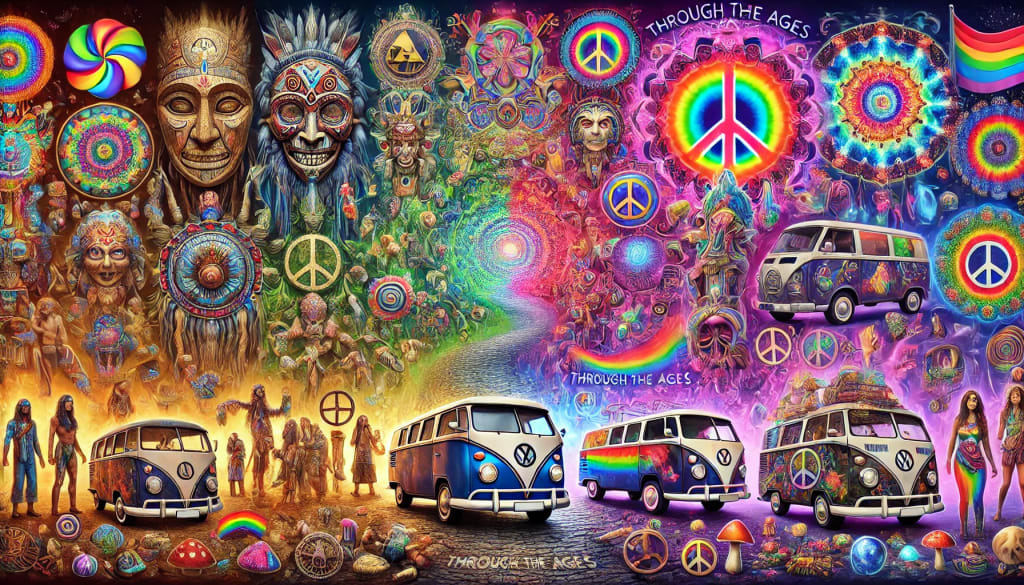
The Psychedelic Revival: From Ancient Rituals to Modern-Day Microdosing
As I delve into the world of psychedelics, it becomes apparent that these substances have traversed an incredible journey from ancient spiritual tools to modern therapeutic aids. The history and current revival of psychedelics are rich with stories of cultural significance, scientific breakthroughs, and personal transformations.
Ancient Roots and Indigenous Rituals
Psychedelics have been integral to various Indigenous cultures for thousands of years, serving as tools for spiritual healing, community bonding, and connection with nature. The use of psychedelic plants like ayahuasca, peyote, and psilocybin mushrooms dates to ancient civilizations across the globe.
Ayahuasca in the Amazon: Indigenous tribes in the Amazon rainforest have long used ayahuasca, a potent brew made from the Banisteriopsis caapi vine and Psychotria viridis leaves. These ceremonies are deeply embedded in their culture, providing spiritual insights, physical healing, and a sense of community. The shamans, or curanderos, guide participants through the intense experience, helping them navigate visions and emotional revelations.
Peyote and the Native American Church: The Native American Church uses peyote, a small cactus containing mescaline, as a sacrament in their religious ceremonies. This practice is believed to foster a spiritual connection with the divine, promote healing, and strengthen community bonds. The ritualistic use of peyote includes singing, drumming, and prayer, creating a sacred space for introspection and spiritual growth.
Psilocybin Mushrooms and the Mazatec: In Mexico, the Mazatec people have used psilocybin mushrooms for centuries in their sacred rituals. These ceremonies involve chanting, music, and prayer, with the mushrooms serving as a means to communicate with spirits and gain insights into the mysteries of the universe. The Mazatec healer Maria Sabina played a pivotal role in bringing these practices to the attention of the modern world, sharing her knowledge with researchers and psychonaut alike.
Magic Mushrooms in Early Europe: Before the rise of Christianity, many early European cultures also used psilocybin mushrooms in their spiritual practices. These mushrooms, often referred to as "magic mushrooms," were believed to facilitate communication with the divine, provide profound insights, and enhance communal rituals. However, as the Christian Church gained power, it viewed these practices as pagan and heretical. The use of magic mushrooms and other entheogenic plants was systematically suppressed and eventually banned by ecclesiastical authorities. This prohibition contributed to the decline of Indigenous European shamanic traditions and the loss of many ancient psychedelic practices.
The Mid-20th Century Renaissance
The mid-20th century marked a significant turning point in the history of psychedelics. This era saw the rediscovery and popularization of these substances, leading to a cultural revolution and renewed scientific interest.
Albert Hofmann and LSD: In 1938, Swiss chemist Albert Hofmann synthesized lysergic acid diethylamide (LSD) while working with ergot, a fungus that grows on rye. Hofmann's accidental ingestion of LSD in 1943 led to the first recorded acid trip, opening the door to a new world of psychedelic experiences. His discovery spurred scientific curiosity and initial research into the potential benefits and mind-altering properties of LSD.
Early Scientific Research: The 1950s and early 1960s witnessed a surge in scientific research on psychedelics. Psychiatrists and psychologists explored the use of LSD and other psychedelics in treating mental health conditions such as depression, anxiety, and addiction. Studies showed promising results, suggesting that psychedelics could facilitate profound psychological insights and emotional breakthroughs.
The Counterculture Movement: The 1960s brought psychedelics into the mainstream, largely due to their association with the counterculture movement. Figures like Timothy Leary, a former Harvard psychologist, advocated for the use of LSD as a tool for personal and societal transformation. The famous phrase "Turn on, tune in, drop out" encapsulated the spirit of the era, encouraging people to explore altered states of consciousness. Psychedelics became symbols of rebellion against the established social order, influencing music, art, and literature. However, the widespread use also led to a backlash, resulting in the criminalization of these substances, and halting much of the scientific research.
Modern-Day Revival and Microdosing
Today, we are witnessing a renaissance in psychedelic research and cultural acceptance. Advances in scientific studies have rekindled interest in the therapeutic potential of psychedelics, and practices like microdosing have become mainstream.
Resurgence of Scientific Research: Recent years have seen a resurgence in scientific studies exploring the therapeutic potential of psychedelics. Researchers are investigating the use of substances like psilocybin and MDMA to treat various mental health conditions, including PTSD, depression, and addiction. Clinical trials have shown promising results, with many patients experiencing significant improvements after psychedelic-assisted therapy.
Microdosing: Microdosing, the practice of taking sub-perceptual doses of psychedelics, has gained popularity for its reported benefits, such as enhanced creativity, improved mood, and increased focus. Many individuals incorporate microdosing into their daily routines as a tool for personal development. While the doses are too small to induce full psychedelic experiences, they can still offer subtle cognitive and emotional benefits.
Integration into Wellness Practices: Beyond clinical settings, psychedelics are also being integrated into wellness and self-discovery practices. Guided psychedelic experiences are becoming more common in wellness retreats and spiritual journeys. These experiences, often supervised by trained facilitators, provide a safe and supportive environment for individuals to explore their consciousness and achieve personal growth.
Challenges and Ethical Considerations
While the resurgence of psychedelics holds great promise, it also presents challenges. Issues like cultural appropriation, sustainability, and ethical use must be addressed to ensure responsible practices.
Cultural Appropriation: The increasing popularity of psychedelics among Westerners raises concerns about cultural appropriation. When members of a dominant culture adopt and claim the traditions of marginalized communities, it can lead to the commodification and misrepresentation of these practices. It is essential to approach psychedelic use with respect and awareness of its cultural origins.
Sustainability: The demand for psychedelic plants like iboga and peyote is threatening their sustainability. Unsustainable harvesting practices can endanger these plants and the ecosystems they inhabit. Promoting sustainable harvesting and cultivation practices is crucial to preserving these sacred plants for future generations.
Ethical Use: Responsible use of psychedelics involves ensuring that they are used in safe and controlled environments. This includes the guidance of qualified professionals and adherence to ethical standards in research and therapy. As the conversation around mental health becomes more inclusive and empathetic, integrating psychedelics responsibly into therapeutic practices is paramount.
The Future of Psychedelic Therapy
The future of psychedelic therapy looks promising as research continues to validate the therapeutic potential of these substances. With growing public acceptance and scientific support, psychedelics may soon become an integral part of mental health treatment.
Legal and Regulatory Changes: Several countries and states are beginning to reconsider their stance on psychedelics. For example, Oregon and Colorado in the United States have decriminalized psilocybin and established frameworks for its therapeutic use. These changes reflect a broader trend toward recognizing the potential benefits of psychedelics and creating safe, controlled environments for their use.
Integration into Mainstream Therapy: As research continues to validate the therapeutic potential of psychedelics, more mental health professionals are likely to incorporate these substances into their treatment plans. Psychedelics could offer new avenues for addressing mental health conditions that are resistant to conventional treatments, providing hope and healing to many.
Education and Advocacy: Ongoing education and advocacy are essential to promoting the safe and responsible use of psychedelics. By raising awareness about the benefits and risks of these substances, we can foster a more informed and compassionate approach to mental health treatment. Advocacy efforts can also help reduce the stigma surrounding psychedelics and pave the way for broader acceptance and integration into society.
Conclusion
From ancient rituals to modern-day microdosing, the journey of psychedelics is a testament to humanity's enduring quest for knowledge, healing, and transcendence. As we navigate this psychedelic revival, let us embrace the lessons of the past while forging a path that respects and integrates these powerful tools into our modern lives. By honouring cultural origins, promoting sustainability, and ensuring ethical use, we can unlock the full potential of psychedelics to transform mental health and enhance the human experience.
Digging Deeper: An In-Depth Look at the Psychedelic Experience
To really appreciate the full scope of the psychedelic experience, one must look beyond the surface and delve into the details. This chapter offers a closer look at how these substances interact with our brains, the unique characteristics of different psychedelics, and the profound experiences they can induce.
The Neuroscience of Psychedelics
Psychedelics are more than just a trip; they are a gateway to understanding the complex workings of the human brain. The study of how these substances affect the brain can provide insights into their therapeutic potential.
How Psychedelics Work
Psychedelics primarily affect the brain's serotonin system. Serotonin is a neurotransmitter that plays a crucial role in mood regulation, perception, and cognition. Psychedelics, such as LSD, psilocybin, and DMT, bind to serotonin receptors, particularly the 5-HT2A receptor, leading to altered states of consciousness. This interaction results in changes in perception, thought patterns, and emotional states.
Default Mode Network (DMN): One of the most fascinating aspects of psychedelic research is its impact on the Default Mode Network (DMN). The DMN is a network of brain regions that is active when the mind is at rest and not focused on the external environment. It is associated with self-referential thoughts and the "ego." Psychedelics temporarily disrupt the DMN, which can lead to a dissolution of the ego and a sense of unity with the universe. This ego dissolution is often described as a mystical or transcendental experience.
Neuroplasticity and Healing: Psychedelics have been shown to promote neuroplasticity, the brain's ability to reorganize and form new neural connections. This neuroplasticity can help individuals break free from rigid thought patterns and behaviours, making psychedelics a powerful tool for treating mental health conditions like depression, anxiety, and PTSD. The enhanced connectivity and flexibility of the brain under the influence of psychedelics can facilitate emotional breakthroughs and cognitive restructuring.
The Unique Profiles of Different Psychedelics
Each psychedelic has its own unique profile, offering distinct experiences and therapeutic potentials. Understanding these differences can help individuals and practitioners choose the most appropriate substance for their needs.
LSD (Lysergic Acid Diethylamide): LSD is known for its potent effects and long duration, typically lasting 8-12 hours. Users often report vivid visual hallucinations, altered perceptions of time and space, and profound introspective experiences. LSD is particularly noted for its ability to induce synaesthesia, where one sensory experience, such as sound, is perceived as another, such as colour.
Psilocybin Mushrooms: Psilocybin mushrooms, or "magic mushrooms," contain the active compound psilocybin, which is converted into psilocin in the body. The effects of psilocybin are somewhat like those of LSD but generally shorter in duration, lasting 4-6 hours and more intense. Users often describe experiences of euphoria, deep emotional insights, and a sense of connection to nature and the universe.
Ayahuasca: Ayahuasca is a traditional Amazonian brew made from the Banisteriopsis caapi vine and Psychotria viridis leaves, containing DMT and MAO inhibitors. Ayahuasca ceremonies typically last several hours and are guided by experienced shamans. The experience can be intense and challenging, often involving purging (vomiting) and deep psychological and spiritual insights.
DMT (Dimethyltryptamine): DMT is a powerful psychedelic found in many plants and animals and is also produced endogenously in the human body. DMT experiences are often described as otherworldly and transformative, with users reporting encounters with "entities" and visits to seemingly alien dimensions. The effects of DMT are rapid and intense, peaking within minutes and lasting about 15-30 minutes.
MDMA (3,4-methylenedioxymethamphetamine): Although not a classical psychedelic, MDMA, commonly known as ecstasy, has significant therapeutic potential. MDMA promotes the release of serotonin, dopamine, and norepinephrine, leading to heightened mood, empathy, and emotional openness. It is particularly effective in treating PTSD and fostering therapeutic alliances in clinical settings.
The Profound Experiences Induced by Psychedelics
The experiences induced by psychedelics can be profound and life-changing. They often involve altered perceptions, emotional breakthroughs, and mystical or transcendental experiences.
Altered Perceptions: Psychedelics can dramatically alter sensory perceptions, leading to vivid visual and auditory hallucinations. Users may see intricate patterns, vibrant colours, and shifting landscapes. These altered perceptions can provide new perspectives on reality and help individuals break free from habitual ways of thinking.
Emotional Breakthroughs: Psychedelics can facilitate deep emotional processing and release. Many users report confronting and resolving past traumas, gaining insights into their emotions, and experiencing cathartic emotional releases. These breakthroughs can lead to lasting changes in mental health and well-being.
Mystical and Transcendental Experiences: One of the most intriguing aspects of psychedelics is their ability to induce mystical or transcendental experiences. Users often describe feelings of unity with the universe, a sense of timelessness, and encounters with a higher power or divine presence. These experiences can profoundly alter one's worldview and sense of self.
Case Studies and Personal Accounts: Personal accounts and case studies provide valuable insights into the psychedelic experience. Many individuals report transformative journeys that have led to significant changes in their lives. These stories highlight the potential of psychedelics to facilitate healing, personal growth, and spiritual awakening.
The Intersection of Psychedelics and Mental Health
The intersection of psychedelics and mental health is a rapidly growing field of research. Psychedelics offer new hope for treating a range of mental health conditions that are often resistant to conventional treatments.
Depression: Psychedelics have shown promise in treating depression, particularly treatment-resistant depression. Studies have found that psilocybin-assisted therapy can lead to significant and lasting reductions in depressive symptoms. The ability of psychedelics to promote neuroplasticity and emotional breakthroughs is believed to underlie their antidepressant effects.
Anxiety: Psychedelics can also be effective in reducing anxiety, especially in individuals with terminal illnesses. Research has shown that a single session of psilocybin-assisted therapy can lead to substantial reductions in anxiety and improvements in quality of life. The mystical experiences induced by psychedelics may help individuals come to terms with their mortality and find peace.
PTSD: MDMA-assisted therapy has shown remarkable success in treating PTSD. Clinical trials have demonstrated that MDMA can facilitate emotional processing and reduce the severity of PTSD symptoms. The empathogenic effects of MDMA help patients build trust and openness with their therapists, enhancing the therapeutic process.
Addiction: Psychedelics are also being explored as treatments for addiction. Studies have found that substances like psilocybin and ibogaine can help individuals overcome addiction to alcohol, nicotine, and opioids. The profound insights and emotional breakthroughs induced by psychedelics can help individuals address the root causes of their addictive behaviours.
The Therapeutic Potential of Psychedelic-Assisted Therapy
Psychedelic-assisted therapy combines the use of psychedelics with psychotherapy to enhance therapeutic outcomes. This approach is gaining traction as research continues to validate its effectiveness.
Psychedelic-Assisted Psychotherapy: Psychedelic-assisted psychotherapy involves the administration of a psychedelic substance in a controlled setting, followed by therapeutic sessions to process the experience. This approach can facilitate deep emotional and psychological insights, leading to lasting changes in mental health and behaviour.
Preparation and Integration: Preparation and integration are crucial components of psychedelic-assisted therapy. Preparation involves setting intentions and creating a safe and supportive environment for the experience. Integration involves processing the insights gained during the psychedelic experience and incorporating them into everyday life. These steps help ensure that the therapeutic benefits of psychedelics are maximized.
The Role of the Therapist: The therapist plays a vital role in psychedelic-assisted therapy. They provide guidance and support during the psychedelic experience and help patients navigate challenging emotions and insights. The therapist also assists with the integration process, helping patients make sense of their experiences and apply their newfound understanding to their lives.
Clinical Trials and Research: Clinical trials are essential for validating the safety and efficacy of psychedelic-assisted therapy. Ongoing research is exploring the use of psychedelics in treating a range of mental health conditions. These studies are providing valuable data on the therapeutic potential of psychedelics and helping to establish best practices for their use in clinical settings.
The Future of Psychedelic Research and Therapy
The future of psychedelic research and therapy is bright, with ongoing advancements and increasing public acceptance. As we continue to explore the potential of these substances, we can look forward to new breakthroughs and opportunities.
Advancements in Research: Ongoing research is expanding our understanding of psychedelics and their therapeutic potential. Advances in neuroscience, psychology, and pharmacology are providing new insights into how these substances affect the brain and mind. This research is paving the way for new treatments and applications for psychedelics.
Public Acceptance and Policy Changes: Public acceptance of psychedelics is growing, and policy changes are beginning to reflect this shift. Decriminalization and legalization efforts are gaining momentum, allowing for more widespread and regulated use of psychedelics. These changes are creating new opportunities for research, therapy, and personal exploration.
Integration into Healthcare: As the evidence for the therapeutic potential of psychedelics continues to grow, there is increasing interest in integrating these substances into mainstream healthcare. Psychedelics could become a valuable addition to the mental health treatment toolkit, offering new options for patients and practitioners.
Education and Training: Education and training are essential for ensuring the safe and effective use of psychedelics. Programs for training therapists, researchers, and facilitators are being developed to meet the growing demand for skilled professionals in this field. These programs aim to provide the knowledge and skills needed to safely guide and support individuals through psychedelic experiences.
Ethical and Sustainable Practices: Ensuring ethical and sustainable practices is crucial for the future of psychedelics. This includes promoting cultural sensitivity, supporting Indigenous communities, and adopting sustainable harvesting and cultivation practices. By prioritizing these principles, we can ensure that the benefits of psychedelics are accessible to all while preserving them.
The cultural and ecological integrity of these substances.
Conclusion
The journey of psychedelics from ancient rituals to modern-day microdosing is a testament to humanity's enduring quest for knowledge, healing, and transcendence. As we navigate this psychedelic revival, let us embrace the lessons of the past while forging a path that respects and integrates these powerful tools into our modern lives. By honouring cultural origins, promoting sustainability, and ensuring ethical use, we can unlock the full potential of psychedelics to transform mental health and enhance the human experience.
Psychedelics offer a unique window into the human mind, providing insights into our consciousness, emotions, and behaviours. As we continue to explore the therapeutic potential of these substances, we can look forward to breakthroughs and opportunities for healing and personal growth. The future of psychedelics is bright, and their potential to transform mental health and well-being is immense. By approaching this journey with respect, responsibility, and curiosity, we can harness the power of psychedelics to create a more compassionate and enlightened world.
About the Creator
Mr BatShit
Mr. BatShit is the whimsical wizard of wellness, turning complex psychological concepts into engaging, humorous, and unforgettable content. Mr Batshit makes even the toughest mental health topics fun and relatable.
Keep reading
More stories from Mr BatShit and writers in Motivation and other communities.
ASMR and Its Benefits
Tingles and Triggers: The Wonderful World of ASMR and Its Benefits Introduction All right, folks, let us dive into a phenomenon that has been buzzing in the ears of millions across the globe – ASMR. Now, if you are sitting there scratching your head, wondering if ASMR is the latest acronym the kids are using to confuse us, let me enlighten you. ASMR stands for Autonomous Sensory Meridian Response, but do not let the fancy terminology fool you. It is essentially the euphoric tingle you get when someone whispers in your ear, or the oddly satisfying feeling of watching someone meticulously paint. If you have not experienced it yet, brace yourself. It is about to get real cosy.
By Mr BatShit2 years ago in Motivation
Little Women, Matriarch & Patriarch: Power, Identity, And Choice
In literature, culture, and everyday life, the tension between matriarch and patriarch has long shaped how families, societies, and identities are formed. From classic novels like Little Women to modern conversations about leadership and gender roles, the debate between patriarchal vs matriarchal systems continues to evolve. Today, many voices are reclaiming authority and declaring with confidence: “I’ll be the matriarch in this life.”
By Matriarchs Mediaabout 9 hours ago in Motivation
Smart phones, Humans and Aliens.
WARNING. I will be tapping into one of your favorite creative tensions: The absurdity of humans worshipping their glowing rectangles as if they were tiny oracles. There’s something deliciously poetic about that contradiction, and it lends itself beautifully to an instructive proviso.
By Novel Allen4 days ago in Poets



Comments (2)
Interesting
Thanks for sharing