
The Procrastination Trap
Why We Delay—and How to Finally Break Free

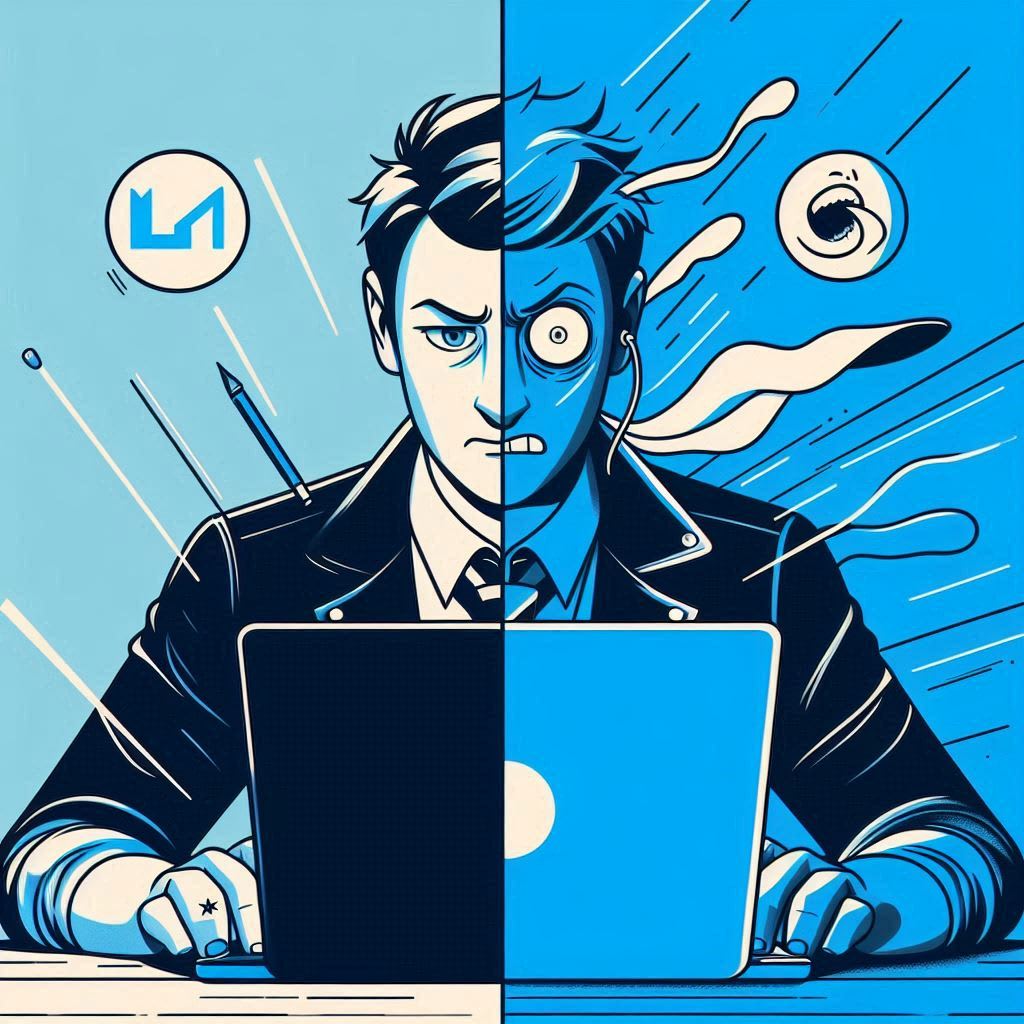
It’s 5 p.m., and that report you’ve been putting off is due tomorrow. Time to get serious, right? But first, you check your phone. A quick look at your favorite YouTube channel couldn’t hurt. Actually, it’s probably better to make dinner first. You usually enjoy cooking, but tonight it’s hard to focus with that deadline looming. It’s getting late, so you tell yourself you’ll just start fresh in the morning. This is the cycle of procrastination, and if this sounds familiar, you’re not alone. But what is it that keeps pulling us into this cycle, even when we know it’s bad for us?
To understand procrastination, it’s important to distinguish it from healthy time management. Putting tasks off doesn’t always mean you’re procrastinating. Responsible time management involves making choices about which tasks should take priority and which can wait. Procrastination, on the other hand, is when you avoid a task for no valid reason, even though you know delaying it could have negative consequences. While it may seem irrational, procrastination is often our body’s misguided attempt to protect us—especially from things we see as threatening or stressful.
The Science Behind Procrastination: Fear Response and Avoidance
When you remember that deadline, your brain processes it like it would any threat. The amygdala, the part of your brain responsible for emotional reactions and threat detection, releases stress hormones, including adrenaline. This triggers a “fight, flight, or freeze” response, causing a surge of stress and even fear. At that moment, your brain’s prefrontal cortex—which helps you think rationally and plan for the future—is overpowered by the need to escape discomfort. This is why, instead of working on the report, you find yourself reaching for your phone or diving into some other task.
It might seem extreme to react this way to a deadline—after all, it’s just a task, not a bear attack. But our tendency to avoid stems from the negative feelings we associate with certain tasks. We’re more likely to procrastinate on work that brings up emotions like dread, insecurity, or incompetence. Research confirms that tasks perceived as challenging or stressful are prime targets for procrastination. And interestingly, our perception of how difficult or unpleasant the task is only grows stronger the longer we put it off. In one study, students received reminders to study throughout the day. Those who were actively studying found it manageable, while those avoiding it felt increasingly stressed by the thought of starting, creating a vicious cycle.
Why Some People Procrastinate More Than Others
Not everyone is equally prone to procrastination. People who struggle to regulate their emotions or suffer from low self-esteem are especially susceptible, even if they have good organizational skills. Contrary to popular belief, procrastinators aren’t necessarily lazy. Laziness involves a lack of energy or drive, often resulting in doing nothing at all. Procrastination, however, involves actively distracting oneself, often with other tasks. In fact, many procrastinators care deeply about their work—so much so that they’re afraid it won’t meet their own high standards. For these people, the fear of failure becomes a reason to delay.
The Toll of Procrastination: Stress, Anxiety, and More
No matter the reason behind procrastination, the effects are often similar. People who frequently procrastinate may experience higher levels of stress, anxiety, and even physical symptoms related to stress. Procrastination can lead to ongoing feelings of guilt, shame, and self-criticism, creating a loop of negative emotions that only worsens the problem. Ironically, while procrastination may temporarily reduce stress, the long-term impacts are often worse. Avoiding a task provides a short-term sense of relief, reinforcing avoidance as a coping strategy for future stressful situations.
Breaking the Cycle: Compassionate Strategies for Change
For years, the standard advice for procrastinators was to focus on discipline and strict time management. But research suggests that being too hard on yourself can actually make procrastination worse. The added stress and negative emotions only intensify your body’s threat response, making you more likely to avoid the task.
So, what can you do instead? Here are some effective strategies rooted in self-compassion and emotion regulation:
- Break Tasks into Smaller Steps :- Large tasks can feel overwhelming, so breaking them down can make them feel more manageable. When you finish a small step, you gain a sense of accomplishment, which reduces stress and helps you feel more in control.
- Identify and Address Negative Emotions :- Take a moment to think about what exactly is causing your stress. Are you worried about failing? Do you feel unprepared? Writing about these feelings or talking them through can help reduce their impact. By facing your emotions, you’re less likely to feel controlled by them.
- Limit Distractions :- Distractions can easily trigger procrastination. Try setting up a dedicated workspace, using apps to block distracting websites, or placing your phone out of reach. By reducing impulsive distractions, you’re better able to focus on the task at hand.
- Cultivate Self-Compassion :- Instead of criticizing yourself for procrastinating, treat yourself with understanding. Recognize that everyone struggles with procrastination at times and that setbacks are part of growth. Practicing self-compassion reduces the fear response that drives procrastination, making it easier to start.

Building a Healthier Approach to Productivity
Procrastination is a common human experience that arises not from laziness but often from complex emotional responses to stress. Rather than focusing on “fixing” procrastination through harsh discipline, it’s more effective to approach it with understanding and practical strategies. By acknowledging our feelings, breaking tasks down, and showing ourselves kindness, we can reduce the cycle of stress and avoidance. After all, a culture of endless stress and perfectionism only perpetuates the problem. Embracing a balanced, self-compassionate approach not only helps us break free from procrastination but also fosters a healthier, more sustainable way of working and living.
About the Creator
Keep reading
More stories from E.V.K and writers in Motivation and other communities.
The Doomer Dilemma: Navigating Nihilism in the Age of Information
The internet has given rise to a range of meme archetypes that encapsulate distinct generational and philosophical outlooks, including the well-known characters Doomer, Boomer, Bloomer, and Zoomer. Each of these personas symbolizes a particular mindset, often tied to generational traits. Among them, the Doomer character has captured significant attention, resonating with the disillusionment and nihilistic tendencies prevalent in many young adults today. This essay explores the Doomer’s worldview and how it reflects contemporary existential struggles, contrasting it with counter-archetypes like the Boomer, whose optimistic outlook serves as a foil to the Doomer’s pessimism.
By E.V.Kabout a year ago in Motivation
I Made My First Million From Nothing — And Almost Nobody Noticed 😳
still remember the exact moment when I realized I had crossed the line. It wasn’t dramatic. No champagne, no celebration—just me, sitting in front of my laptop, refreshing a dashboard and staring at a number that had quietly reached seven digits. My first million.
By Lukáš Hrdlička3 days ago in Motivation
The Actress Hollywood Called "Unmarketable": The Brutal Rise of Viola Davis
Look at the highest echelons of Hollywood today, and you will find Viola Davis sitting comfortably on the throne. She is a force of nature. She is the first Black actor in history to achieve the "Triple Crown of Acting"—winning an Academy Award, an Emmy Award, and two Tony Awards. When she steps onto a screen, whether she is playing a fearless lawyer, a hardened blues singer, or the leader of an African warrior kingdom, she commands the space with an intensity that cannot be taught. She is universally respected, wildly successful, and undeniably brilliant.
By Frank Massey 2 days ago in Motivation
When the Shelter Closes
Across the street from my house, a man slept under a tree, his dog by his side. My first, naive thought: he must be traveling through. But he kept coming back, often sleeping there during the day. Then it hit me—that person might not have a home.
By Bride of Sound3 days ago in Humans




Comments
There are no comments for this story
Be the first to respond and start the conversation.