
The Price of Truth
How one choice turned poverty into possibility.

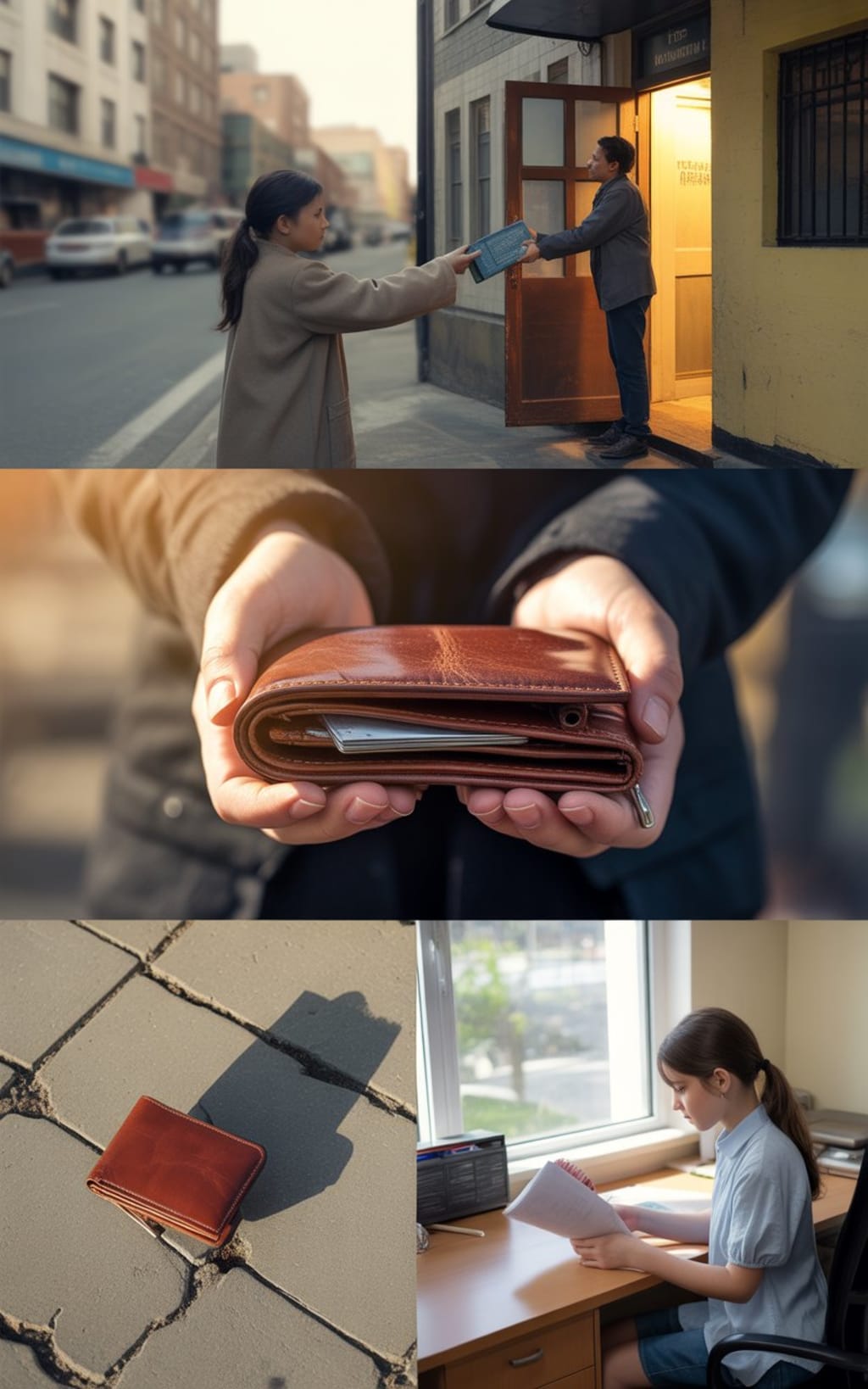
Lina had learned early that life wasn’t fair. At fourteen, she knew the sound of a rumbling stomach better than the sound of her own laughter. She lived with her mother and little brother in a cramped one-room apartment at the edge of the city, in a building that smelled of damp plaster and old cooking oil.
Money came in small bursts — her mother’s shifts cleaning houses, the occasional odd job Lina found carrying groceries or sweeping shop floors. Some days, there was dinner. Some days, there was just tea and bread.
The temptation to take what you needed was everywhere. Lina saw it all the time — kids slipping candy into their pockets, neighbors siphoning electricity from the hallway light, adults pocketing a little extra from the till when no one was looking. People said it wasn’t stealing if you were hungry. Lina wasn’t sure if she agreed, but she understood. Hunger made you think differently.
One chilly Saturday morning, Lina was walking home from the bakery where she sometimes helped sweep in exchange for day-old bread. The wind bit through her worn coat, and her hands were shoved deep into her pockets for warmth. That’s when she saw it — a leather wallet lying on the sidewalk near the bus stop.
She picked it up, glancing around. No one seemed to be looking for it. It was heavy. Inside, she found crisp bills — more money than her family had seen in months — and several cards with the name Edward Crane.
Lina’s first thought was simple: This could buy food. Shoes for her brother. Maybe even cover the month’s rent. No one had seen her pick it up. If she slipped it into her bag and kept walking, no one would know.
Her stomach knotted. She imagined her mother’s face if she handed her the wallet. She imagined her mother’s face if she found out Lina had kept it.
She turned the wallet over in her hands, the leather warm from where she’d been holding it. Then, taking a deep breath, she crossed the street to the small police kiosk.
The officer inside looked surprised when Lina explained. “You found it and brought it straight here?”
“Yes,” she said quietly. “I thought maybe the owner would come looking.”
The officer took her details, promised they’d contact Mr. Crane, and handed Lina a paper slip as proof she’d turned it in.
That night, Lina went to bed hungry but lighter somehow, as though she’d set down a heavy bag she didn’t realize she’d been carrying.
Three days later, there was a knock at their door. A tall man in a neatly pressed coat stood there, holding the same leather wallet.
“You’re Lina?” he asked. She nodded, uncertain.
“I’m Edward Crane. I dropped this last week. You returned it.” He opened it, pulled out an envelope, and handed it to her. “I can’t thank you enough. People don’t usually do that anymore.”
Lina shook her head. “I didn’t want to keep what wasn’t mine.”
Inside the envelope was a handwritten note — and several bills. Enough to cover their rent for two months.
“I run a small publishing office,” Mr. Crane said. “We’re looking for someone honest to help with deliveries and clerical work. It’s part-time, after school. Would you be interested?”
Lina could only nod.
Working at Mr. Crane’s office was nothing like the odd jobs she’d done before. The building smelled of paper and ink instead of mold and frying oil. Her tasks were simple at first — sorting mail, keeping track of inventory — but soon, she learned to type letters, answer phones, and keep accounts. She asked questions constantly, and Mr. Crane never seemed tired of answering.
Months passed. Her paychecks were modest, but steady. She bought her brother new shoes, helped her mother cover the bills, and for the first time in years, the kitchen shelves stayed stocked.
But more than the money, it was the change inside her that mattered. Lina began to see herself differently — not just as a girl from the poor end of the city, but as someone capable, trustworthy, and valued.
One afternoon, Mr. Crane called her into his office. “You know,” he said, “I’ve been watching how you handle things here. Your honesty that day wasn’t a one-time thing. It’s how you work, how you live. I’d like to offer you a scholarship. It’s for a business course at the community college. It’ll open more doors for you.”
Lina’s throat tightened. “Why me?”
“Because,” Mr. Crane said simply, “the world needs people it can trust. And you’ve already proven you’re one of them.”
Years later, when Lina had finished her studies and was running her own small stationery shop, she would sometimes see a wallet or a set of keys left behind on the counter. She always called the customer back.
People would thank her, sometimes offering money. She’d just smile and say, “Once, someone taught me that honesty pays — though not always in the way you expect.”
And in the quiet after they left, she would remember a cold morning, a heavy wallet, and the moment she chose the harder path — the one that had changed everything.
About the Creator
Keep reading
More stories from Hakeem Khan and writers in Motivation and other communities.
Earn Monthly Income with Digital Skills
Introduction We live in a digital era where opportunities are everywhere—if you know how to use them. Gone are the days when people relied only on 9-to-5 jobs to survive. Today, one laptop or even a smartphone, combined with the right digital skills, can open doors to a stable monthly income. The beauty of digital skills is that they give you freedom, flexibility, and unlimited growth potential. Whether you are a student, a stay-at-home parent, or someone who wants to break free from traditional jobs, your digital knowledge can become your biggest asset.
By Hakeem Khan 5 months ago in Motivation



Comments (1)
Best lesson